This September 2026 FAQ gives source-checked answers to common questions about cat constipation. Constipation means infrequent, difficult, or absent stool passage, often with straining and small hard feces. The Merck Veterinary Manual describes lethargy, reduced appetite, vomiting, and abdominal discomfort as related signs professional guide. It notes middle-aged to older cats are commonly affected.
Table of Contents
- What does constipation look like?
- Why does it happen?
- When is straining an emergency?
- How do vets treat it?
- What helps at home day to day?
What does constipation look like?
Watch the litter box for fewer visits, crying, or repeated trips without results. Passed stools often look small, dry, and hard. Cats may seem tired, eat less, vomit, or resent belly touch.
Track timing as well as texture. Ontario Veterinary College guidance flags no stool for one to two days as a reason to seek care. That pause plus straining calls for a veterinary call, not longer waiting.
Why does it happen?
Cornell states the exact cause often stays undetermined, which limits home diagnosis. Documented triggers include dehydration, hairballs, diet, intestinal tumors, injury, infection, and drug reactions.
The Ontario Veterinary College adds low water intake, low fiber, kidney disease, and hypothyroidism as contributors. Pain from arthritis while posturing and prior pelvic trauma can also make passing stool harder. Weight, water habits, and hairball load shape daily risk.
When is straining an emergency?
Straining does not always mean constipation. Hawthorne Hills Veterinary Hospital explains vets check with physical and rectal exams client article.
Radiographs, bloodwork, and urinalysis follow when needed. The same source warns straining can signal urinary blockage, an emergency especially in male cats. Ontario Veterinary College guidance urges veterinary care for:.
- no stool for one to two days
- repeated straining or crying in the box
- blood in stool, vomiting, or marked lethargy
How do vets treat it?
Cornell recommends treatment focused on rehydration and removing causes where possible feline constipation guide. Veterinarian-directed laxatives, enemas, motility drugs, and diet change form the core medical approach. Partial colectomy stays reserved for severe megacolon unresponsive to medical care.
The Merck Veterinary Manual warns severe untreated constipation can progress to megacolon and obstipation. The distended colon can lose contractile function and need manual emptying under anesthesia or surgical removal. Never give phosphate enemas to cats; they can cause life-threatening mineral and salt imbalances. Safe enemas use warm water, saline, DSS, mineral oil, or lactulose at veterinary doses.
What helps at home day to day?
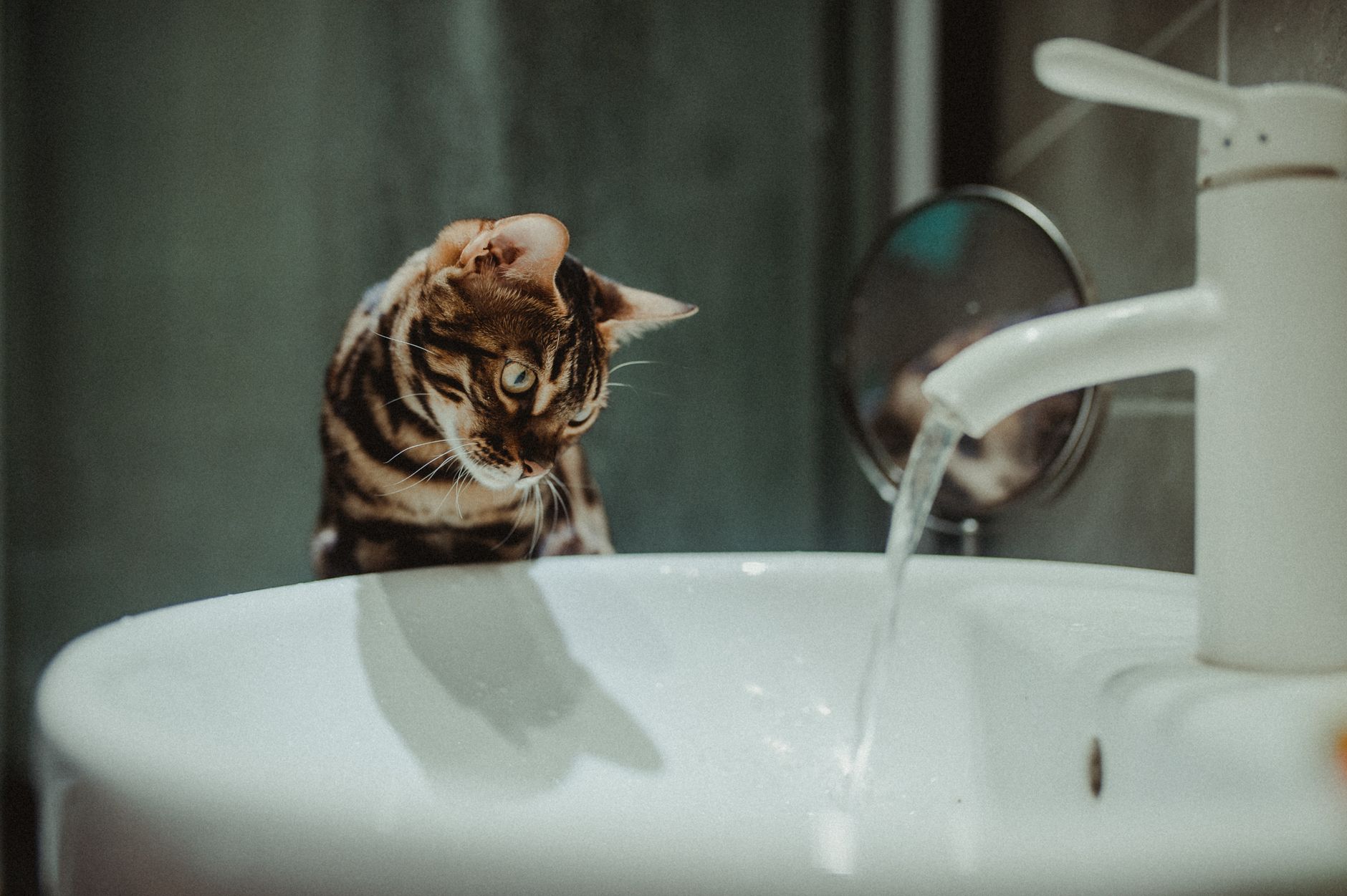
Offer fresh water daily and consider a fountain to encourage drinking. Feed wet food or a veterinarian-approved high-fiber diet.
Keep boxes clean, large, and easy to enter, especially for older or arthritic cats. Build a simple routine: Call the clinic if constipation lasts one to two days or warning signs appear.
- offer fresh water or a fountain
- feed wet or veterinarian-approved high-fiber food
- keep boxes clean and easy to reach
- manage weight and hairballs with veterinary advice