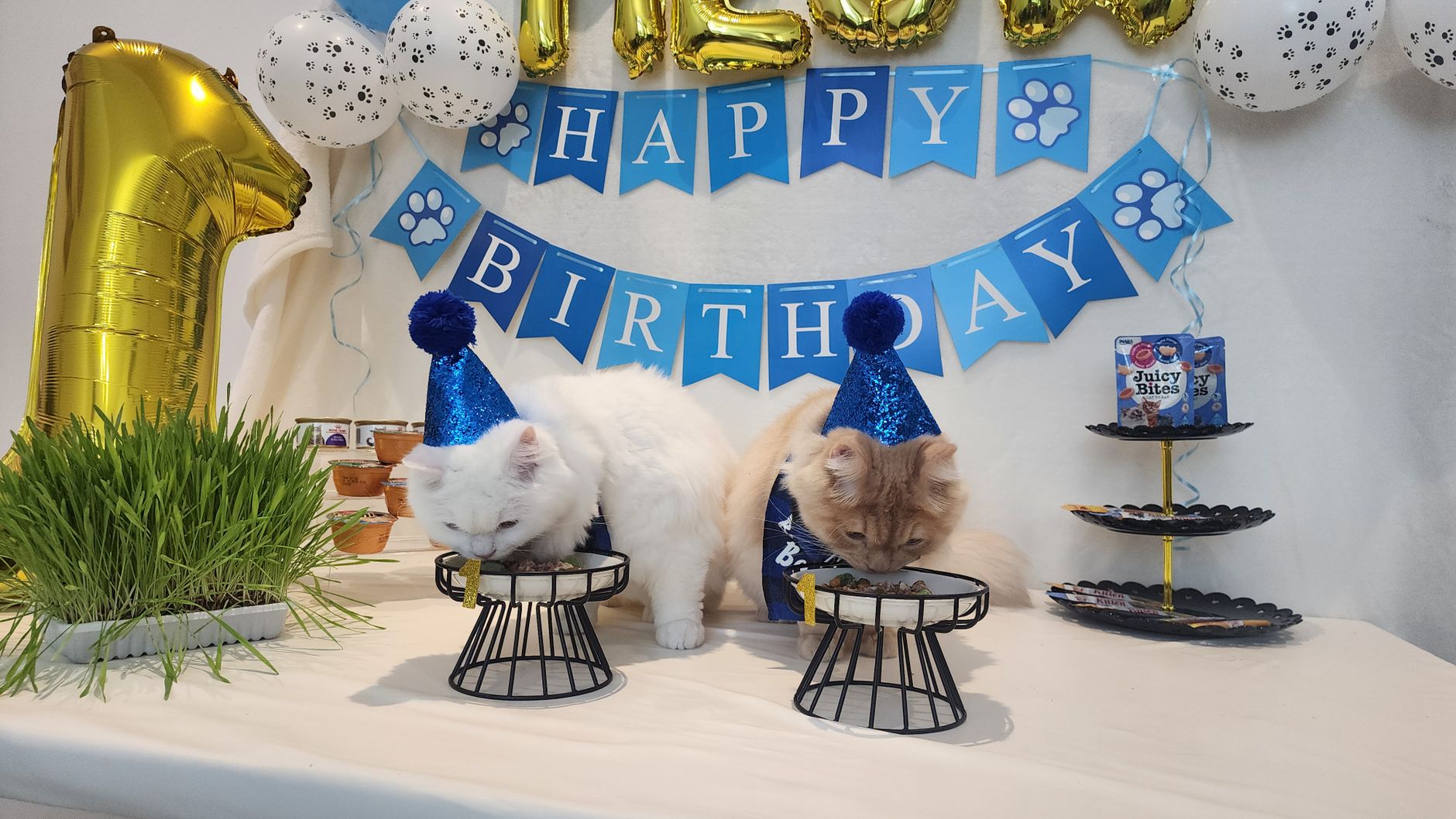
Cat treats can fit into a healthy cat's routine when they stay small, safe, and separate from nutritionally complete meals. For September 2026, the clearest rule is to keep treats below 10% of daily calories and choose them with your cat's diet and health needs in mind. Treats include commercial snacks, small pieces of food, and rewards used in training or play. They are extras, not a substitute for a cat's regular food.
Table of Contents
- How many treats can a cat have?
- Can treats replace meals?
- Which cats need a veterinarian's approval first?
- What foods should never be treats?
- Are dental treats worth using?
- How should treats be handled and stored?
How many treats can a cat have?
Treat calories count toward the day's total. The World Small Animal Veterinary Association sets a less-than-10% guideline; for a healthy, ideal-weight 4 kg cat, that equals 22 treat calories per day in its cat-treat guidance.
That number is a useful ceiling, not a target. If a treat is calorie-dense, one or two pieces may use most of the allowance. Use treats deliberately:.
- Break larger treats into tiny rewards.
- Include treat calories when measuring daily food.
- Reduce extras when several people feed the cat.
- Reserve favorite treats for training, nail trims, or carrier practice.
Can treats replace meals?
No. Most cat treats are not complete and balanced, meaning they do not provide the full nutrient profile a cat needs from its regular diet.
VCA Animal Hospitals and the Canadian Academy of Veterinary Nutrition caution that too many treats can crowd out regular food and contribute to excess weight in their cat-feeding advice. A meal should supply the nutritional foundation of the day. Treats work best as a small add-on, not as a way to tempt a cat away from its normal food or replace a skipped meal.
Which cats need a veterinarian's approval first?
Cats eating prescription diets should not receive new treats without veterinary approval. The same applies to cats with medical conditions or food allergies, because an added food can undermine the planned diet or reintroduce a suspected allergen according to VCA Animal Hospitals and the Canadian Academy of Veterinary Nutrition.
This includes treats marketed as natural, limited-ingredient, or meat-only. A simple ingredient list does not establish that it fits a cat's therapeutic diet. Before offering something new, check whether your cat has:.
- A prescription diet.
- A diagnosed food allergy or elimination diet.
- A medical condition managed through food.
- A veterinarian-directed feeding plan.
What foods should never be treats?
Avoid foods containing onions, garlic, leeks, chives, grapes, raisins, avocado, xylitol, or chocolate. Cornell's Feline Health Center notes that chocolate can cause abnormal heart rhythms, tremors, depression, and seizures in cats in its poison guidance. Raw meat is also a poor treat choice because it can transmit toxoplasmosis and other infectious diseases.
Milk may cause digestive trouble in cats that cannot tolerate lactose. Freeze-dried and other raw treats need added caution. They can carry bacteria that may spread to cats, people, and other pets through saliva and feces.
Are dental treats worth using?
Some dental treats have evidence for specific oral-health claims, but the category is not interchangeable. The Veterinary Oral Health Council's accepted-products list identifies individual feline edible treats with tested plaque or tartar claims, including Feline Greenies, Whiskas Dentabites, Purina DentaLife, and Purina Pro Plan Veterinary Diet Dental Bites on its current accepted-products list.
Choose a product by its specific accepted claim rather than assuming every crunchy treat cleans teeth. A dental treat still counts as a treat, so its calories belong within the daily allowance.
How should treats be handled and stored?
Keep treats in their original packaging so the lot number and best-by information remain available. Store dry treats in a cool, dry place below 80°F. Wash hands for at least 20 seconds after giving treats, particularly raw or freeze-dried products.
The FDA warns that Salmonella can contaminate treats and that cats may shed it even when they appear healthy in its food-safety guidance. If your cat becomes ill after eating a treat, stop feeding that product and call a veterinarian. Keep the package available for its lot and best-by details.