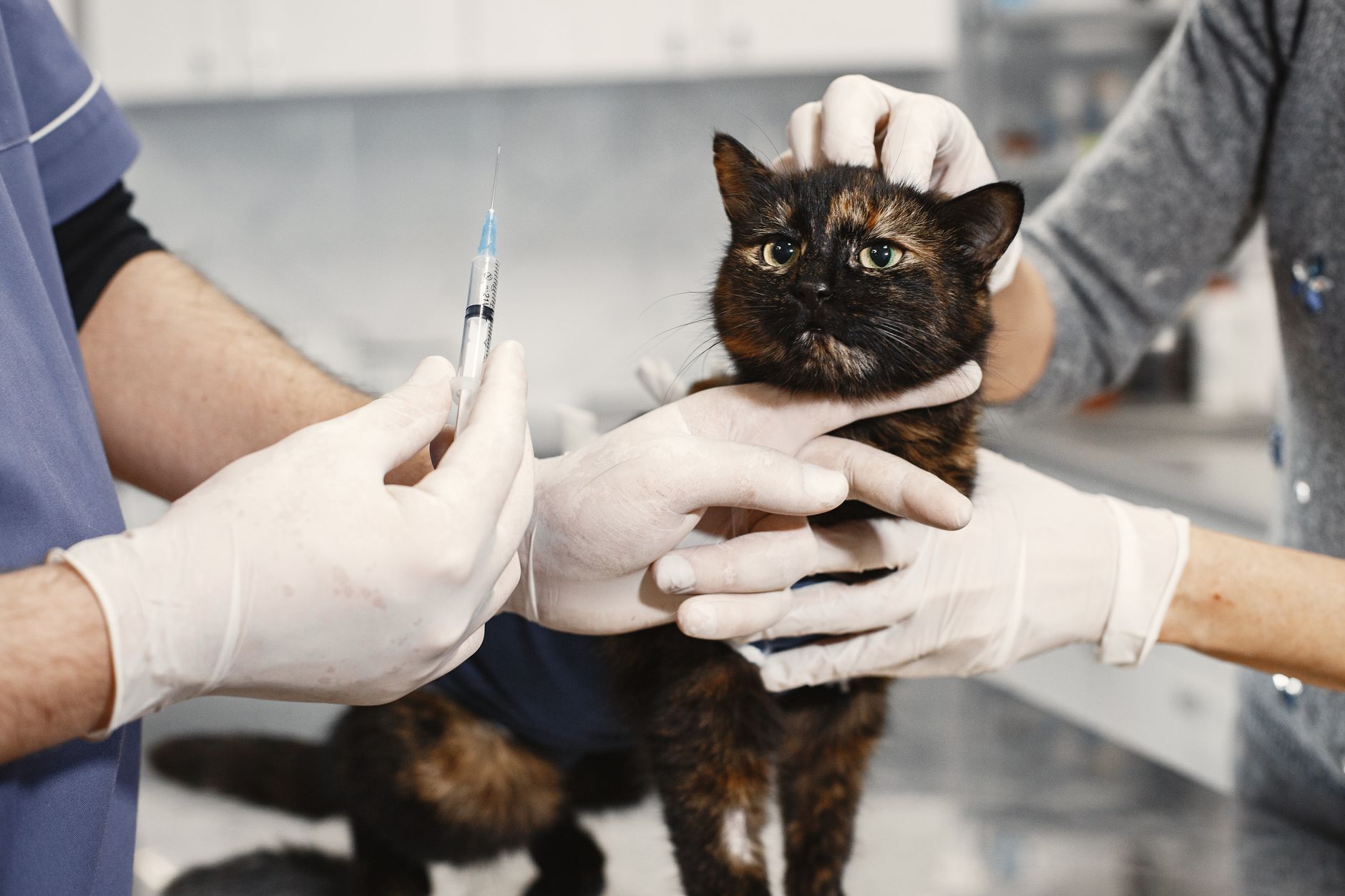
Cat vaccines in 2026 are a routine part of protecting cats from serious infectious diseases, with core vaccines recommended even for indoor-only cats. The key decision is not whether every cat needs every vaccine, but which protections fit the cat's age, exposure risk, health, and vaccination history. Vaccination appointments also give owners a clear plan for watching normal short-term effects, spotting urgent reactions, and keeping accurate records for future care.
Table of Contents
- Which vaccines does a cat need?
- What symptoms are these vaccines meant to address?
- When should kittens and adult cats be vaccinated?
- What reactions are normal, and when is it urgent?
- What should owners track after the appointment?
Which vaccines does a cat need?
Core vaccines protect against feline panleukopenia, feline herpesvirus-1, calicivirus, and rabies. The AAHA/AAFP feline vaccination guidelines recommend these protections for all cats, including cats that live indoors only; feline leukemia virus (FeLV) vaccination is core for cats younger than one year and becomes risk-based for adults.
AAHA/AAFP feline vaccination guidelines A veterinarian may also recommend non-core vaccines when a cat's circumstances make exposure more likely. These may include FeLV for an exposed adult cat, Bordetella, or Chlamydia vaccination. Useful factors to discuss include:.
- Whether the cat goes outdoors or may escape outside
- Contact with other cats in the household or neighborhood
- Boarding, shelter, rescue, or foster exposure
- The cat's health and past vaccine reactions
- Disease risks in the local area
What symptoms are these vaccines meant to address?
Panleukopenia is especially dangerous for kittens. It can cause fever, vomiting, diarrhea, appetite loss, dehydration, and sudden death. Herpesvirus-1 and calicivirus often affect the upper respiratory tract.
A cat may sneeze, develop eye or nasal discharge, become lethargic, or develop oral sores. Cornell University College of Veterinary Medicine describes these symptom patterns and the serious effects panleukopenia can have in young cats. Cornell Feline Health Center vaccine information Symptoms such as vomiting, diarrhea, sneezing, eye discharge, or mouth sores can have more than one cause. Call a veterinarian promptly when a kitten or adult cat seems ill, particularly if the cat stops eating, becomes weak, or appears dehydrated.
When should kittens and adult cats be vaccinated?
Kittens generally begin vaccinations at 6 to 8 weeks of age. They usually receive additional doses every 3 to 4 weeks through 16 to 20 weeks of age. This series matters because maternal antibodies, passed from the mother to the kitten, can interfere with a vaccine response early in life.
Cornell explains that repeated doses through the later kitten period help bridge the time when those maternal antibodies decline. Cornell's panleukopenia vaccine guidance For an adult cat, the right plan depends on prior vaccination records and current risk. Bring any records from a breeder, shelter, rescue, former owner, or prior clinic so the veterinarian can make a plan based on the cat rather than guesswork.
What reactions are normal, and when is it urgent?
After vaccination, some cats have lower activity, less appetite, a mild fever, or temporary soreness or swelling at the injection site. These effects are usually short term, but contact the veterinarian if they are severe or continue beyond a day or two.
Seek immediate veterinary attention after vaccination for: These signs can indicate a serious reaction. Zoetis advises urgent veterinary attention because severe reactions can be life-threatening. Zoetis post-vaccination guidance.
- Facial swelling or hives
- Vomiting or persistent diarrhea
- Severe coughing or breathing difficulty
- Weakness, collapse, or marked distress
What should owners track after the appointment?
Keep the vaccine record with the cat's medical paperwork. Ask the clinic to record the vaccine name, lot, route, and injection site. That information can help the veterinarian tailor later care, especially if the cat had a previous reaction.
Check the injection area during normal handling. Request veterinary evaluation and biopsy of a lump if it remains for three months, becomes larger than 2 cm at any time, or grows one month after vaccination. This is the "3-2-1" rule described in the WSAVA vaccination guidelines. WSAVA Vaccination Guidelines Group guidance.