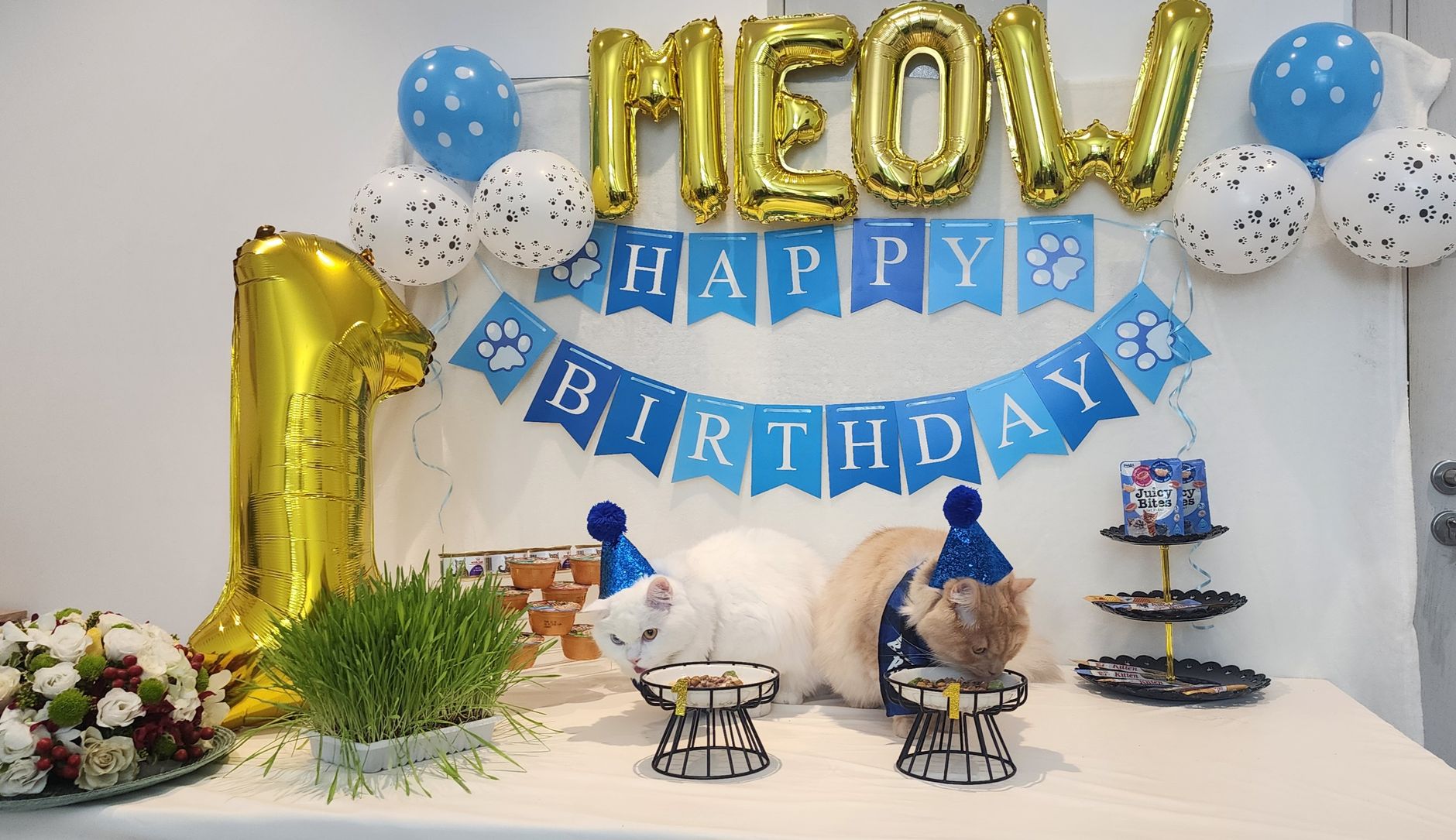
Cat treats can be a safe part of a cat's routine when they are small, limited, and suited to that cat's health needs. In 2026, the key questions are how many calories treats add, whether a treat could cause illness or injury, and what symptoms require veterinary care. Treats are extras, not a replacement for a complete daily diet. A practical treat plan protects both nutrition and the cat's appetite for regular food.
Table of Contents
- How many treats are appropriate?
- Which treats create safety risks?
- What symptoms may point to a food problem?
- When should you stop a treat and call the veterinarian?
How many treats are appropriate?
For an average healthy adult cat at an ideal body condition, treats should provide no more than 10% of daily calories, according to the WSAVA Nutrition Committee. Cats with different nutritional needs should have a veterinarian help set an appropriate limit. Most occasional treats are not nutritionally complete.
Extra calories can contribute to obesity, which predisposes cats to arthritis and diabetes, Cornell University College of Veterinary Medicine explains in its feeding guidance. Count treats as part of the day's food, especially when several people feed the cat. Small portions can also make training, medication, or enrichment easier without turning treats into a large meal.
Which treats create safety risks?
Avoid raw meat treats. Cornell advises that raw meat can transmit toxoplasmosis and other infections, and milk can cause gastrointestinal problems because many cats are lactose-intolerant. Do not offer bones. They can injure or obstruct the digestive tract.
Choose a treat sized and shaped for the cat, supervise eating, and remove pieces that become difficult to chew or swallow. Keep human food out of the treat routine unless a veterinarian has specifically advised otherwise. The FDA lists onions, garlic, grapes or raisins, chocolate, alcohol, caffeine, xylitol, salt, fatty foods, and raw yeast dough among potentially hazardous items for pets; the risk depends on the species and amount eaten. The FDA's pet-safety guidance identifies these common household hazards.
What symptoms may point to a food problem?
A treat may be involved when a cat develops persistent scratching, skin lesions, hair loss, or a deteriorating coat. Some cats with food allergy also vomit or have diarrhea, and signs can appear after months or years of eating a food. Do not assume every itch or stomach upset is a food allergy.
Cornell notes that veterinarians should rule out other causes first. An exclusive novel diet and water for at least eight to 10 weeks, followed by controlled ingredient reintroduction, can help identify a trigger. Keep a simple record of the treat, amount, timing, and symptoms. That information can help a veterinarian distinguish a one-time digestive upset from a pattern worth investigating.
When should you stop a treat and call the veterinarian?
Stop a suspected treat if the cat becomes ill. Vomiting, diarrhea that may be bloody, fever, poor appetite, and lethargy can occur with Salmonella infection, although infected cats may also appear well while shedding bacteria in feces or saliva.
Wash hands after handling treats and litter. The FDA's Salmonella safety information emphasizes that symptom-free cats can still spread bacteria. If illness follows a treat, take these steps: The FDA advises preserving that information because reports can support product investigation; its pet food complaint guidance explains the reporting process.
- Stop offering the suspected product.
- Seek veterinary care.
- Keep the package, lot information, and best-by date.
- Report the event to the FDA.