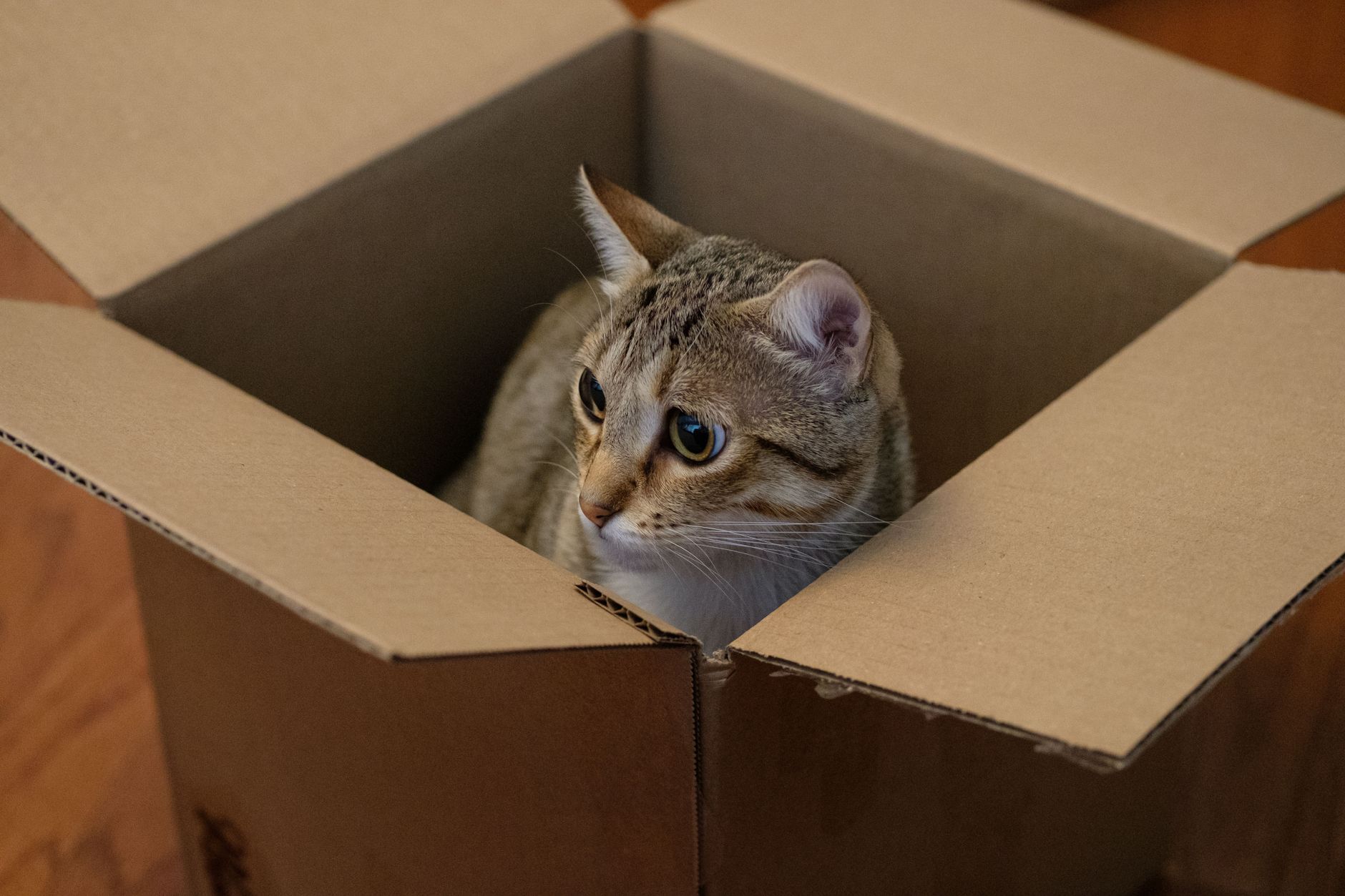
Moving with a cat in October 2026 comes down to destination rules, flight rules, and a health and ID check. This FAQ gives source-checked answers for interstate moves, U.S. entry, Hawaii, cabin flights, calming care, and microchips.
An interstate move means a move between U.S. states or territories. Start with the receiving state or territory because its rules control entry. Hawaii has extra rabies steps, and airlines set their own age, carrier, and fee terms.
Table of Contents
- What controls an interstate cat move?
- What happens when cats enter the United States?
- Why is Hawaii different?
- Can your cat fly in the cabin?
- How do you handle nerves and ID?
What controls an interstate cat move?
According to USDA APHIS, the destination state or territory sets the rules for interstate cat moves. APHIS does not set requirements or endorse interstate health certificates. Owners must check that state's vaccination, certificate, testing, or treatment rules with a veterinarian early.
See the destination-state requirements page from USDA APHIS. That means two moves can have different paperwork. Call your vet weeks before travel and bring your route and dates. Ask exactly what the destination accepts.
What happens when cats enter the United States?
CDC states cats entering the United States must look healthy on arrival. They face inspection at the port of entry. Entry can be denied for signs of disease that can spread to people.
An ill cat may need a veterinary exam at the owner's cost before admission. This check happens at arrival, not in advance. Plan for delays if your cat looks sick. Travel only when eating, breathing, and behavior are normal for your cat.
Why is Hawaii different?
Hawaii is rabies-free, so it is the major exception. Arriving cats default to up to 120 days of quarantine. Cats can qualify for 5-Day-Or-Less or Direct Airport Release. Direct release means airport clearance without long confinement. It needs a microchip, two rabies shots, a passing FAVN rabies blood test, a 30-day wait, and Form AQS-279.
The Hawaii Department of Agriculture and Biosecurity lists these steps in its downloadable quarantine brochure. The Hawaii Department of Agriculture and Biosecurity added an online option in 2026. Owners can submit dog and cat rabies-quarantine applications through the Hawaii Pet Owner Portal before travel. Use this path only if every shot, chip, test, and wait lines up. One missed date can return you to long quarantine. Build extra weeks into your moving plan.
Can your cat fly in the cabin?
American Airlines allows small cats in the cabin on eligible routes. Cats must be at least 8 weeks old. They must stay entirely inside an under-seat carrier for the whole flight. According to American Airlines, the carry-on pet charge is $150 per kennel under its current pet travel rules. American Airlines also states it does not accept sedated or tranquilized pets.
It cites veterinary guidance. Sedation impairs balance and equilibrium. Air pressure changes can raise breathing and heart risk. Confirm your exact route accepts cabin pets before you book. Keep the carrier closed under the seat.
How do you handle nerves and ID?
UC Davis School of Veterinary Medicine advises many cats travel better without sedation. Anti-anxiety care should be veterinarian-directed only. Owners must know the cat's drug response in advance.
Sedatives can impair temperature control and may wear off mid-trip. According to Rau Animal Hospital, citing AAHA, update chip details before you move microchip registration guidance. Do this before packing. A current chip helps shelters and clinics reach you fast.
- Verify microchip registration is current.
- Update contact address and phone in the chip registry.
- Ask the veterinarian to scan yearly.
- Use the AAHA Universal Lookup to find the correct registry.