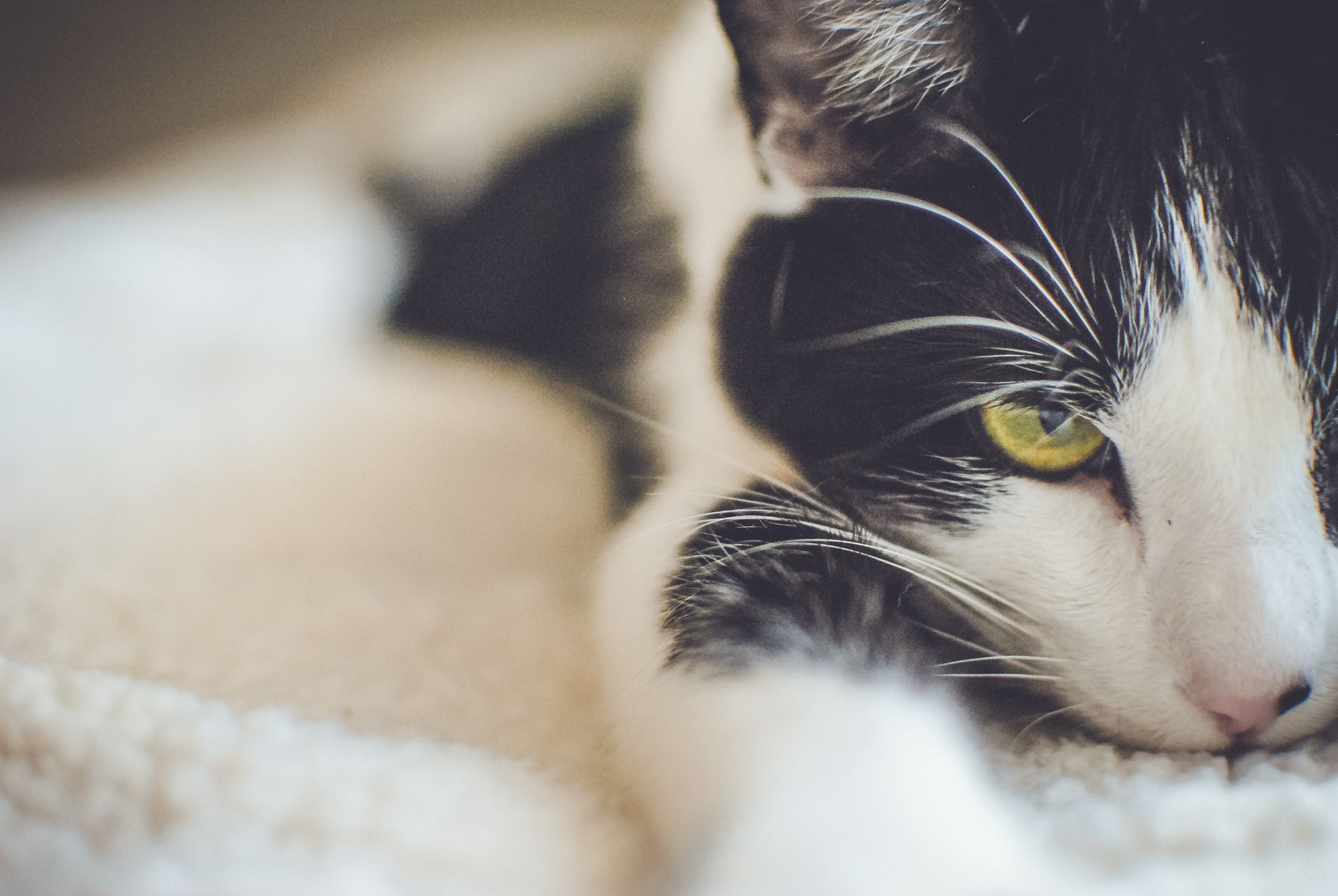
Cat arthritis in 2026 mainly affects senior cats, and effective pain control plus home changes can keep them comfortable. Arthritis means osteoarthritis, a degenerative joint disease where cartilage wears down and movement becomes painful. Radiographic studies find it in about 60% of all cats and over 90% of cats older than 12 years, according to the Merck Veterinary Manual Merck Veterinary Manual guide to degenerative arthritis in dogs and cats. Younger cats can develop it too, but senior and geriatric cats carry the highest risk.
Table of Contents
- Which joints does it affect?
- What does arthritis look like at home?
- Why is diagnosis more than an X-ray?
- What veterinary treatments help in 2026?
- What can you change at home now?
Which joints does it affect?
A 2025 review reports prevalence estimates of 16-91% in cats aged 0.2-20 years. Commonly affected sites include hips, stifles, hocks, elbows, and the lumbar and lumbosacral spine. That pattern explains why whole-body movement changes. A sore hip limits jumping up.
A stiff elbow changes landing. A painful lower back makes grooming and litter-box posture hard. Breed and body weight also shape daily load on joints. Extra weight increases stress on hips and knees. Lean, well-muscled cats move more easily, so weight management belongs in every arthritis plan.
What does arthritis look like at home?
Cats rarely limp clearly. Cornell veterinarians report they slow down, hide more, jump less, groom less, and struggle with the litter box, so owners often mistake these changes for normal aging. Watch daily routines, not single moments.
A cat may hesitate before the couch, use claws to pull up, sleep downstairs instead of upstairs, or leave the coat unkempt over the back and hips. Track what you see for one to two weeks. Note missed jumps, stiffness after rest, shorter play, irritability when touched, and accidents near the box.
- Less jumping or using steps and furniture as intermediate posts
- Reduced grooming, matted fur, or overgrown claws
- Hesitation, stiffness, hiding, or avoiding handling
- Difficulty entering, turning in, or squatting in the litter box
Why is diagnosis more than an X-ray?
X-rays show joint changes, but they do not measure pain directly. One hospital study of 218 cats found radiographic degenerative disease in 33.9% but recorded lameness in only a small minority. That gap means veterinarians combine physical exam, behavior history, and X-rays.
Your notes about jumping, stairs, grooming, and litter-box use help the vet connect images to daily pain. Expect hands-on joint checks, gait observation, and questions about home behavior. The vet may also rule out other causes of slowing down, such as kidney disease, dental pain, or thyroid problems.
What veterinary treatments help in 2026?
On Jan. 13, 2022, the FDA approved Zoetis Solensia (frunevetmab injection) as the first osteoarthritis pain treatment for cats, according to the FDA approval notice. It is also the first monoclonal-antibody animal drug, and it binds nerve growth factor involved in pain signaling. Solensia dosing is 1.0 mg/kg bodyweight given as a subcutaneous injection once monthly in a veterinary clinic for alleviation of osteoarthritis pain.
Owners do not give it at home. The clinic visit also allows regular pain and mobility checks. For daily medication, the 2024 ISFM/AAFP consensus cited in 2026 identifies meloxicam and robenacoxib as the only NSAIDs recommended for long-term feline osteoarthritis use, according to the Frontiers in Pain Research consensus summary. NSAIDs are first-line drugs but require veterinary monitoring for kidney, liver, and gastrointestinal risks.
What can you change at home now?
Veterinarians recommend multimodal care that pairs prescribed pain control with weight control, easier access, and comfortable rest. Good basics include a low-entry litter box, ramps to favorite perches, warm resting places, and regular gentle play. Make each floor work without jumping.
Place food, water, litter, and a warm bed on the level the cat uses most. Add a ramp to the sofa or window seat and a sturdy step near the bed. Keep claws trimmed, fur combed, and body weight in the vet's target range. If you notice less jumping or grooming, schedule a veterinary assessment for arthritis pain and a home-care plan.