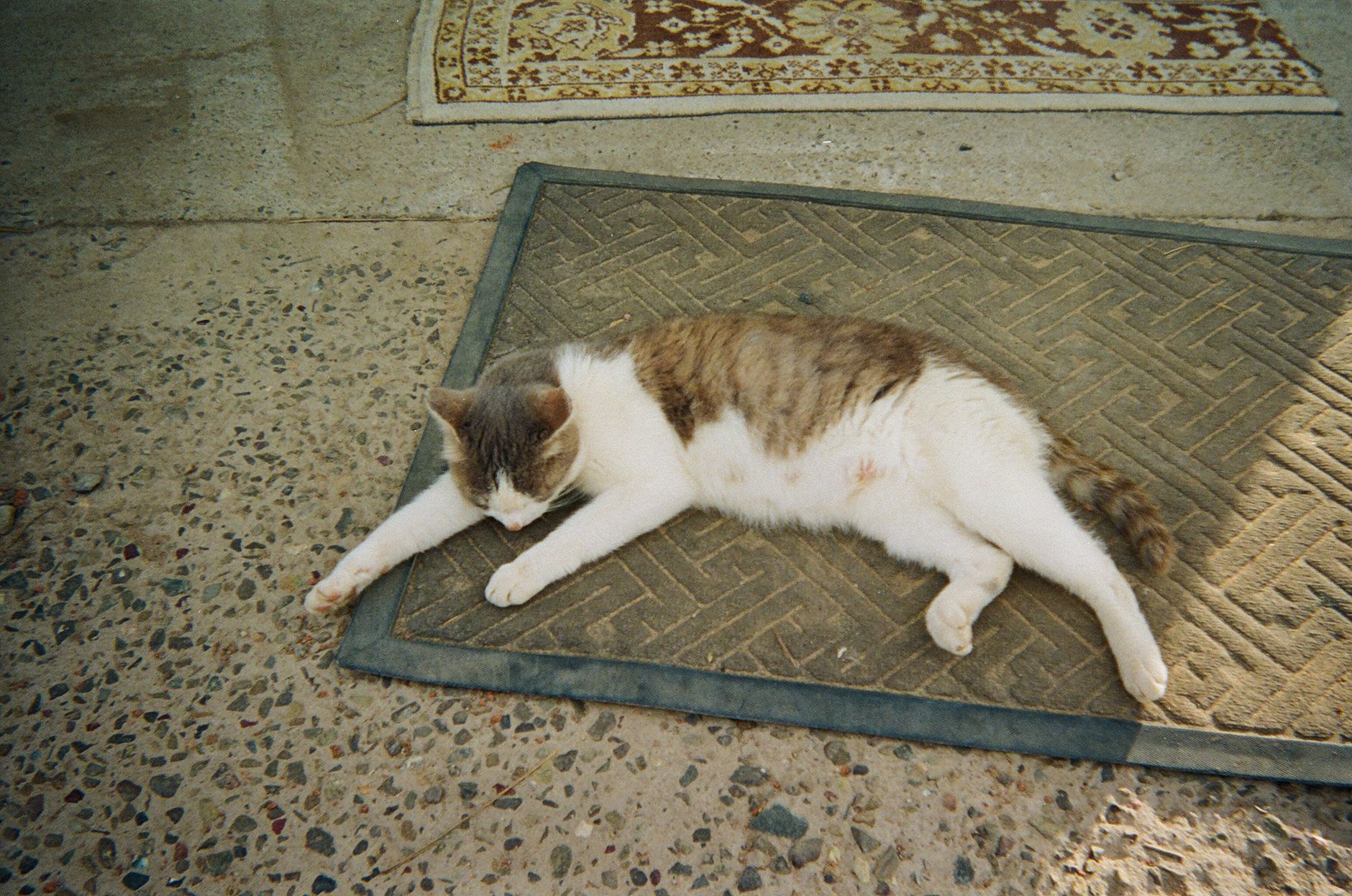
Catnip (Nepeta cataria) is a mint-family herb that triggers brief rolling, rubbing, and euphoria in about 50-70% of domestic cats. Key evidence shows the effect lasts minutes, may help repel mosquitoes, and owners can manage it with small, weekly offerings. This guide explains who responds, what the reaction looks like, and what to do next. It focuses on practical limits for kittens, seniors, and sensitive cats.
Table of Contents
- How Catnip Triggers Play
- Which Cats Respond to It?
- How Long Does the Reaction Last?
- Is Catnip Safe and How Should You Offer It?
How Catnip Triggers Play
Catnip works through smell. Its volatile oil, nepetalactone, binds receptors in the cat's nasal tissue and stimulates sensory neurons. That signal produces rubbing, rolling, vocalizing, and brief euphoria.
ThoughtCo's catnip chemistry explainer describes this nasal-receptor pathway. The behaviors can look intense. Cats may drool, head-shake, lick, or act like queens in heat. Scientific American experts report the resemblance to queens in heat as part of the normal pattern.
Which Cats Respond to It?
Sensitivity is hereditary. ThoughtCo reports it as an autosomal dominant trait, with about 50-70% of domestic cats responding and 10-30% nonresponsive. Large wild cats, including lions and bobcats, can also respond. Age matters.
BaxterBoo notes that kittens under about 8 weeks lack the response and may show avoidance. Sensitivity often develops at 3-6 months, around sexual maturity, and may wane in some older cats. Nonresponse is normal, not illness. A cat that ignores dried catnip may still react to fresh leaves, sprays, or another plant. A 100-cat trial in BMC Veterinary Research found strong alternatives for nonresponders.
How Long Does the Reaction Last?
The visible reaction is short. Scientific American experts report about 10 minutes of active behavior, followed by roughly 30 minutes of temporary immunity. After that reset, the cat can respond again. Rubbing may serve more than play.
Japan/UK researchers found in the Science Advances catnip study that rubbing transfers nepetalactone and nepetalactol onto the face, where the compounds repel Aedes mosquitoes. The same team found blood beta-endorphin rose during exposure, while blocking mu-opioid receptors suppressed rubbing. For owners, the timing sets expectations. Offer catnip when the cat has 15-20 calm minutes afterward. Do not expect longer calm, training effects, or same-day repeat play at full strength.
Is Catnip Safe and How Should You Offer It?
Petful, updated in 2026, calls catnip non-addictive and safe in moderation. Eating large amounts can cause vomiting and diarrhea. ASPCA Animal Poison Control lists those same signs for nepetalactone exposure.
The Temptation Treats cat-care guide recommends a simple routine for most adult cats: If your cat ignores catnip, try silver vine. The BMC Veterinary Research silver vine comparison trial found 71% of catnip nonresponders responded to silver vine, versus 32% to Tatarian honeysuckle and 19% to valerian root. Store dried catnip sealed and replace it when the scent fades.
- Offer catnip only 1-2 times weekly in small amounts
- Supervise catnip toys and check for choking hazards
- Avoid use before stressful vet visits
- Ask a veterinarian first for cats with seizures