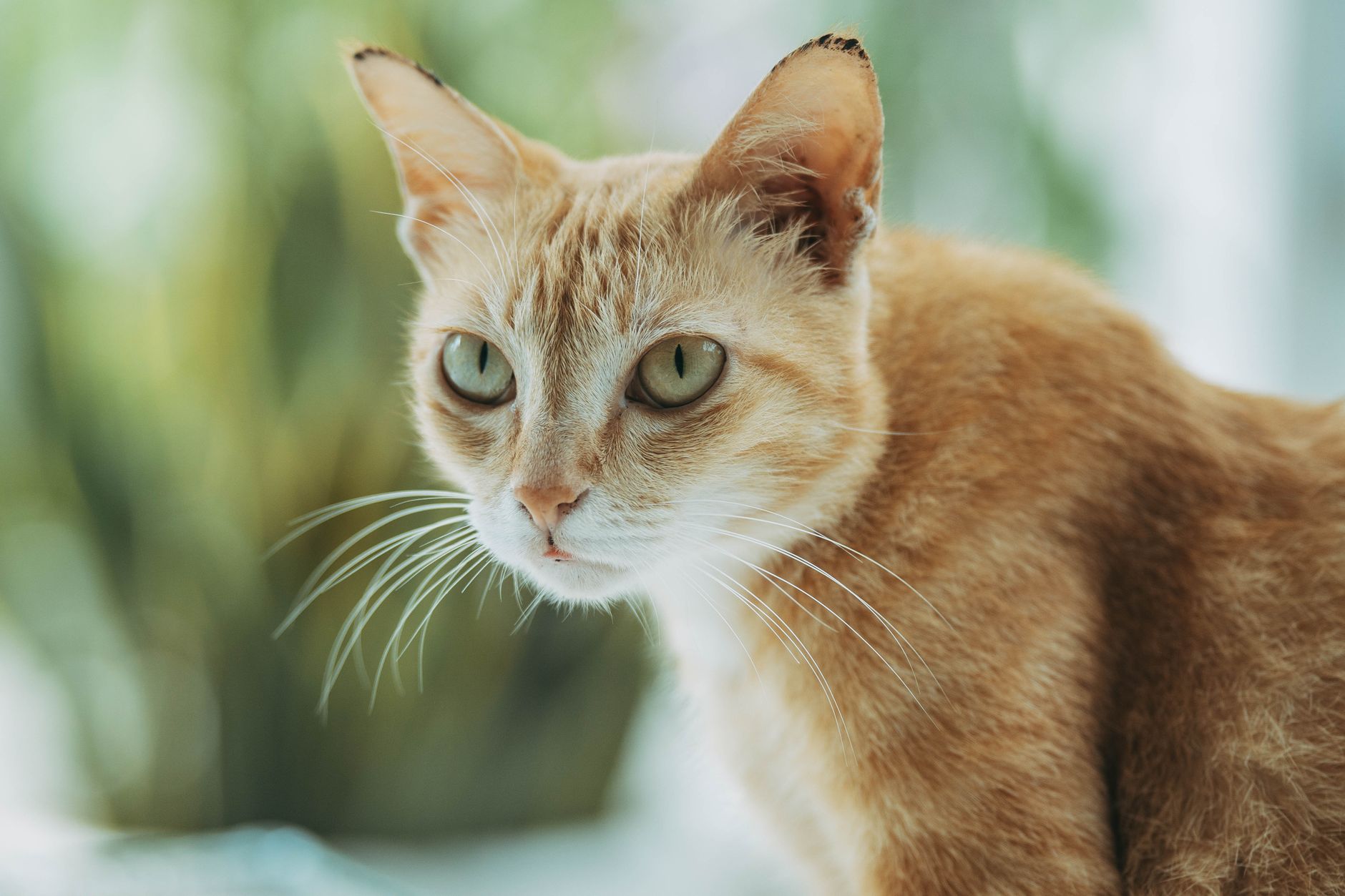
Catnip — a mint-family herb whose vapor nepetalactone triggers rolling and rubbing in sensitive cats — leaves some cats unaffected because they did not inherit sensitivity to it. About 20-40% of domestic cats lack the needed gene variant, so the smell registers as neutral odor, according to Basepaws in its Basepaws guide on catnip response. That non-response is normal variation, not stubbornness or poor training. Age, timing, freshness, health, and stress can also hide a response.
Table of Contents
- How catnip works when it works
- Could age explain the blank stare?
- When a sensitive cat looks immune
- What can you offer instead?
How catnip works when it works
Nepetalactone must be smelled to act. It binds protein receptors in nasal tissue, and those receptors signal through sensory neurons to the olfactory bulb and brain, as described by Phys.org in its Phys.org report on nepetalactone and smell. In sensitive cats, the signal mimics feline sexual pheromones.
The cat may roll, rub its face, vocalize, drool, show brief euphoria, then turn calm. Cats with different receptors get no such signal. For them, catnip is simply another background smell.
Could age explain the blank stare?
Yes, especially in young kittens. Kittens under about 8 weeks to 6 months often show no response. Full behavior often appears around 3-6 months, near sexual maturity, while the receptor and brain pathway matures.
Senior cats can also go quiet. Declining smell and weaker sensory response often reduce the reaction. A senior that once rolled may now sniff once and walk away.
When a sensitive cat looks immune
A normal reaction lasts only 5-15 minutes. Then comes a refractory period of about 30-60 minutes, when even sensitive cats ignore catnip, according to Scientific American in its Scientific American explainer on catnip timing.
Retesting too soon can look like lifelong non-response. Stale herb, low-nepetalactone product, illness, and stress can blunt the effect too.
- Wait at least one hour before offering catnip again
- Use a fresh, sealed product and let the cat sniff freely
- Try when the cat is calm, healthy, and awake
- Do not force the nose into the herb
What can you offer instead?
Many catnip non-responders react to another plant. In a 2017 BMC Veterinary Research study of domestic cats, almost 75% of catnip non-responders responded to silver vine fruit-gall powder, 31% to Tatarian honeysuckle, and 19% to valerian, reported in the BMC Veterinary Research study on alternative plants. That makes silver vine the best-tested alternative.
It is sold as powder, dried fruit, sticks, and infused toys. Non-response is not illness or a training failure. Try one fresh alternative at a time, watch for rubbing, drooling, or playful rolling, then remove the item after 10-15 minutes.