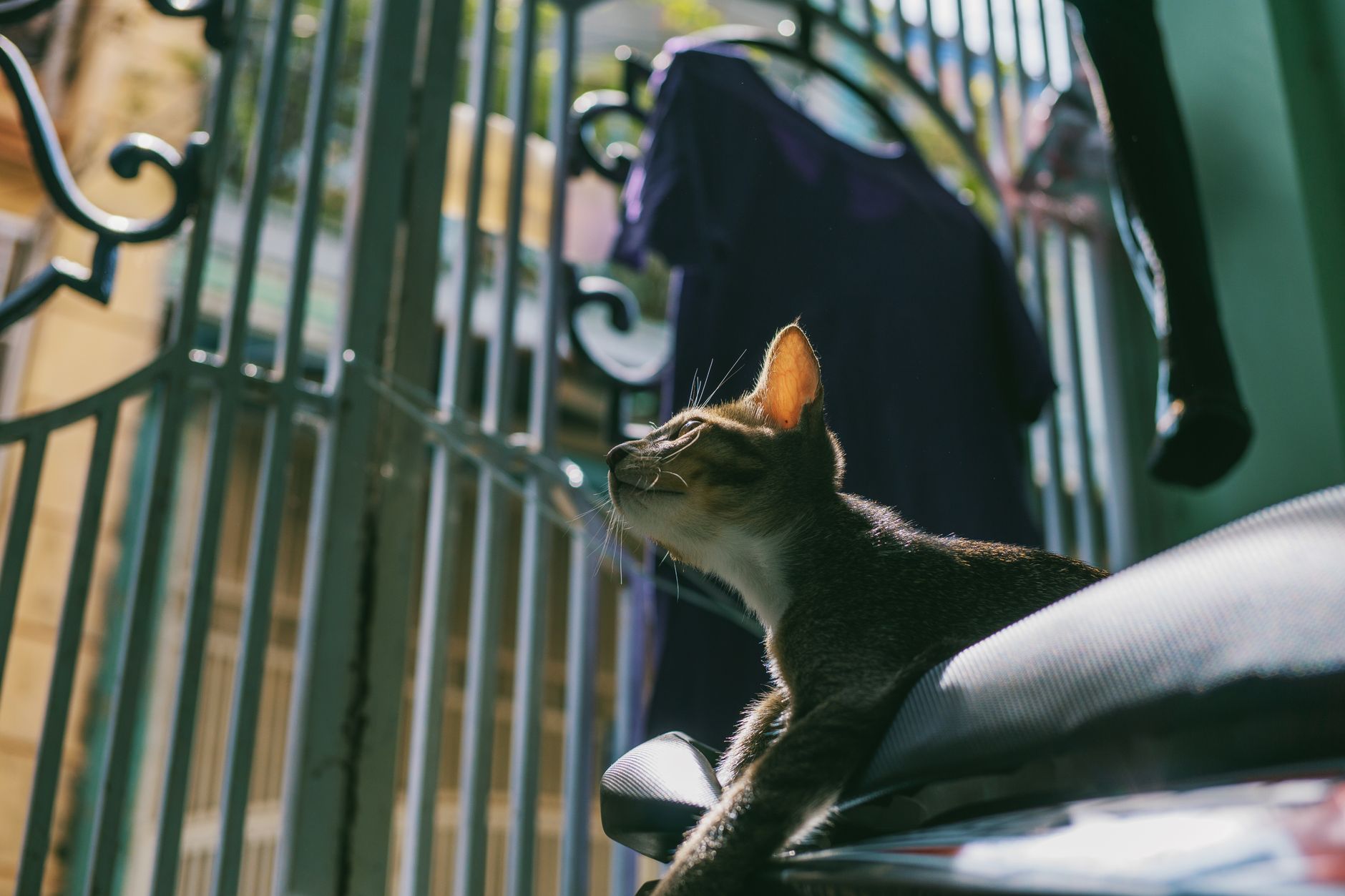
Catnip is *Nepeta cataria*, a mint-family plant whose active principle is nepetalactone. It can prompt a brief, playful-looking response in many cats, but not every cat reacts. For September 2026, the practical answer is to offer catnip in small, supervised amounts, use it for enrichment or scratching training, and remove it if it causes digestive upset or concerning behavior.
Table of Contents
- What does catnip do to cats?
- Why does my cat ignore catnip?
- Is catnip safe?
- Can catnip help with scratching?
- What if catnip does not work?
What does catnip do to cats?
Cats that respond may sniff, lick, chew, face-rub, or roll on catnip. The response usually lasts 5 to 15 minutes, followed by at least an hour when the cat does not respond again, according to Science Advances research. The reaction is mainly driven by smell.
The same research found that cats detect the relevant plant compounds through their main olfactory system, and swallowed nepetalactone did not produce the response. This helps explain why a cat may enjoy rubbing against a catnip toy more than eating loose catnip. It also means a cat can simply ignore a product without anything being wrong.
Why does my cat ignore catnip?
Many cats do not respond to catnip. In a study of 100 domestic cats, about one in three showed no catnip response, so indifference is a normal outcome rather than a sign that the catnip failed. Age also matters.
Kittens and younger cats may show little or no reaction, while the studied response became stronger with maturity. Do not keep increasing the amount in an effort to force a response. If a cat is uninterested, use the toy or scratching surface without catnip, or consider a different plant-based option.
Is catnip safe?
Catnip is not automatically harmless simply because it is made from a plant. The ASPCA lists it as toxic to cats because nepetalactone can cause vomiting or diarrhea; individual cats may also become sedated or stimulated.
The ASPCA's catnip guidance advises removing it and contacting a veterinarian or poison-control service if ingestion causes concerning signs. Watch the cat after offering a new catnip product. Stop access if the response becomes too intense or digestive signs appear.
- Put loose catnip away after the activity.
- Choose a small amount rather than leaving a large supply available.
- Keep an overstimulated cat away from other pets until it settles.
- Contact a veterinarian or poison-control service for concerning ingestion.
Can catnip help with scratching?
Yes. Catnip can make an appropriate scratching surface more appealing. UC Davis Veterinary Medicine advises rubbing or sprinkling catnip on the scratching item you want the cat to use, such as a post or pad.
Place the treated item where the cat already tends to scratch. That makes the preferred surface easy to choose at the moment the behavior occurs. Avoid putting catnip on furniture you want the cat to leave alone. The goal is to direct interest toward the scratching item, not make the unwanted surface more rewarding.
What if catnip does not work?
Silver vine is a useful alternative for some catnip nonresponders. A 2017 study found that nearly 80% of domestic cats responded to silver vine, including roughly three-quarters of cats that did not respond to catnip, as reported in BMC Veterinary Research. Try one product at a time and observe the cat's response.
A cat that ignores catnip may show interest in silver vine, while another may prefer ordinary play, food rewards, or a scratching surface without an added scent. Research also found that cats' rubbing can transfer silver-vine compounds to fur and repel *Aedes albopictus* mosquitoes under experimental conditions. That finding does not make catnip or silver vine a replacement for veterinary-approved mosquito prevention.