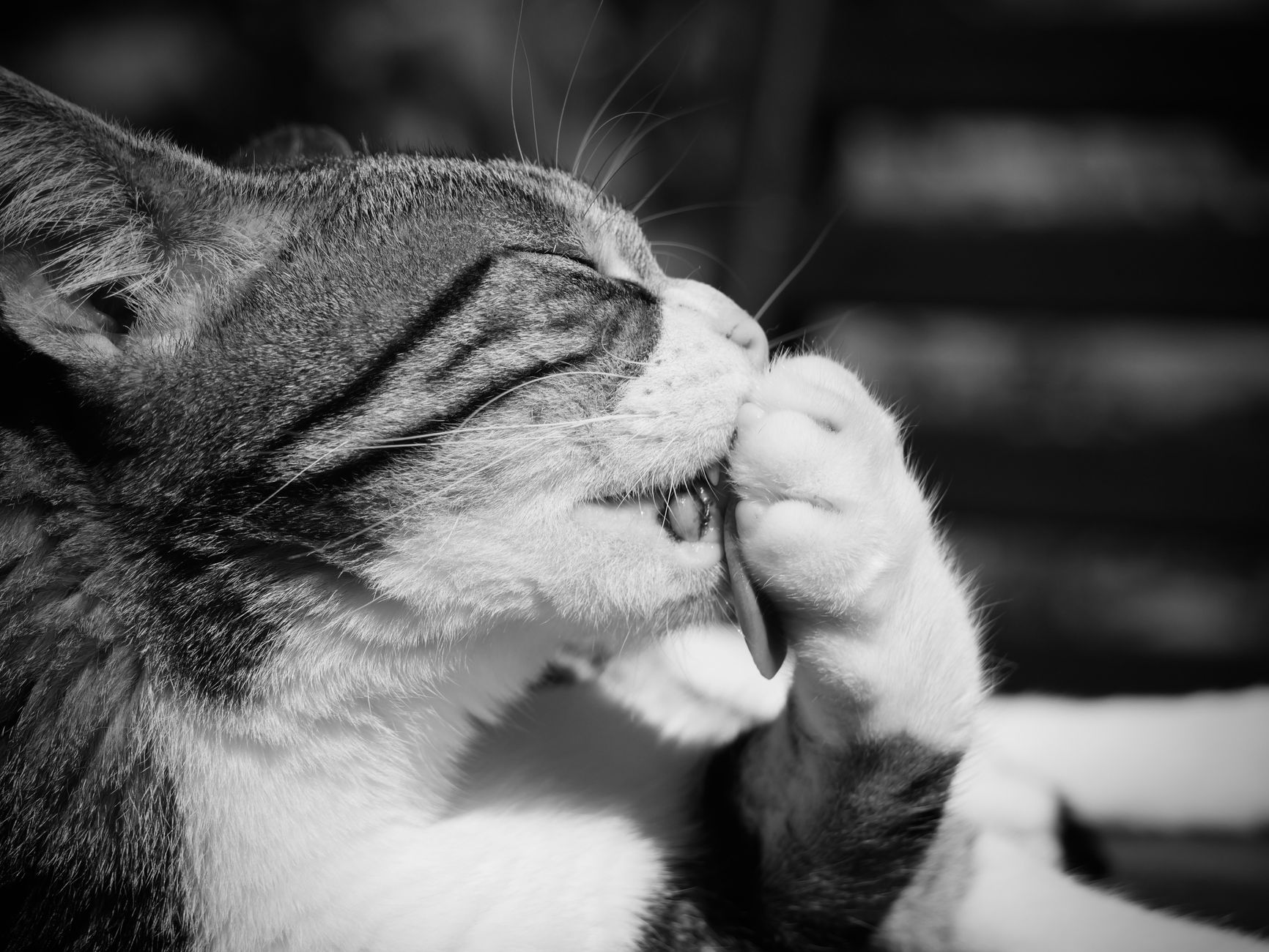
The best way to clean a cat's paws after litter box use is a quick wipe with a damp, unscented cloth or a cat-safe wipe, followed by a dry towel, done right after the box visit so litter and residue never reach furniture or human hands. A consistently clean litter box matters more than the wipe itself, since paws only pick up what the box leaves behind.
Table of Contents
- Why Paw Cleaning Is a Precaution, Not an Emergency
- What to Use, and What to Avoid
- Reducing Litter on the Paws in the First Place
- When Paw-Related Litter Issues Need a Vet
- Handling the Box Itself Safely
- Frequently Asked Questions
Why Paw Cleaning Is a Precaution, Not an Emergency
A healthy indoor cat's paws generally carry only small, low-risk amounts of bacteria after a trip to the litter box, according to a veterinarian-answered Catster column. That means routine wiping is a hygiene habit, not a response to a proven disease risk.
The bigger concern is what the cat tracks and what it ingests while grooming. Litter dust and clumping residue on the paws can end up in a cat's mouth during normal self-cleaning, and in small amounts that's rarely a problem. The habit of wiping paws mainly keeps litter off floors, bedding, and furniture while supporting general cleanliness.
What to Use, and What to Avoid
A plain, slightly damp microfiber cloth or paper towel removes most litter dust and residue without introducing anything new to the paw pads. If using a commercial pet wipe, check that it's labeled specifically for cats and look at the ingredient concentration before buying. Essential oils are the main thing to keep away from paws entirely. Cats lack the liver enzymes needed to break down many essential oils, so oils that contact skin or paws can cause gastrointestinal upset, nervous-system depression, or liver damage, according to ASPCA veterinary toxicologist Dr.
Tina Wismer in ASPCA guidance on household poisons. Most of the poisoning cases Wismer describes involve full-strength (100%) essential oil products rather than heavily diluted ones, so any scented wipe or spray near a cat's paws should be checked for cat-specific labeling and a low concentration, generally under 5 percent, per the same ASPCA report. Skip baby wipes, disinfecting wipes, and anything containing alcohol, essential oils, or fragrance. Plain water on a soft cloth is sufficient for most cats and carries no risk.
Reducing Litter on the Paws in the First Place
Scooping waste daily and doing a full box cleaning and disinfecting at least once a week cuts down on the waste and litter residue that sticks to a cat's paws before it ever needs wiping off, according to a veterinarian-written Catster guide to litter box cleaning. A cleaner box means less tracked litter and less material for the cat to groom off its feet. For kittens four months and younger, non-clumping litter is the safer choice.
Kittens are more likely than adult cats to swallow litter while grooming it off their paws, and clumping litter raises the risk of an intestinal blockage, according to vet-reviewed WebVet guidance on kitten litter. Switching to a coarser or non-clumping formula during kittenhood reduces how much litter paws pick up and how much ends up ingested. A litter mat placed just outside the box also captures loose granules before a cat walks away from the box, lowering what reaches floors and furniture between wipes.
When Paw-Related Litter Issues Need a Vet
Occasional licking of a paw after the litter box is normal grooming. Watch instead for signs that a cat has swallowed enough litter to cause a problem, since cats that ingest litter picked up on their paws during grooming can develop constipation or, in severe cases, a blockage requiring emergency treatment, per Petfinder's guidance on cats eating litter. Any of these warrants a call to a veterinarian rather than home monitoring, since an obstruction can become a surgical emergency quickly.
- Straining or infrequent bowel movements over more than a day
- Vomiting that continues beyond a single episode
- Refusing food or appearing lethargic
- Visible litter clumps in stool combined with discomfort
Handling the Box Itself Safely
Litter box hygiene isn't only about the cat's paws — it also protects the people cleaning it. The CDC advises scooping or changing the litter box daily, since Toxoplasma oocysts in cat feces take at least a day to become infectious, and recommends that a pregnant or immunocompromised household member avoid the task altogether, according to CDC guidance for cat owners.
Whoever does clean the box should wear disposable gloves and wash hands with soap and water afterward, since Toxoplasma can spread to people through hand-to-mouth contact after handling contaminated litter, per the same CDC recommendations. Daily scooping paired with gloved hands covers both the paw-residue problem and the human health precaution in one routine.
Frequently Asked Questions
Can I use baby wipes on my cat's paws?
No. Baby wipes often contain fragrance or alcohol that can irritate a cat's skin, and a plain damp cloth works just as well without that risk.
How often should I clean the litter box to cut down on tracked litter?
Scoop daily and do a full wash and disinfect at least weekly, per Catster's cleaning guide, which reduces the residue paws pick up between cleanings.
Is clumping litter unsafe for all cats?
No, the concern is specific to kittens four months and younger, who are more likely to ingest litter while grooming, according to WebVet. Adult cats are at much lower risk.