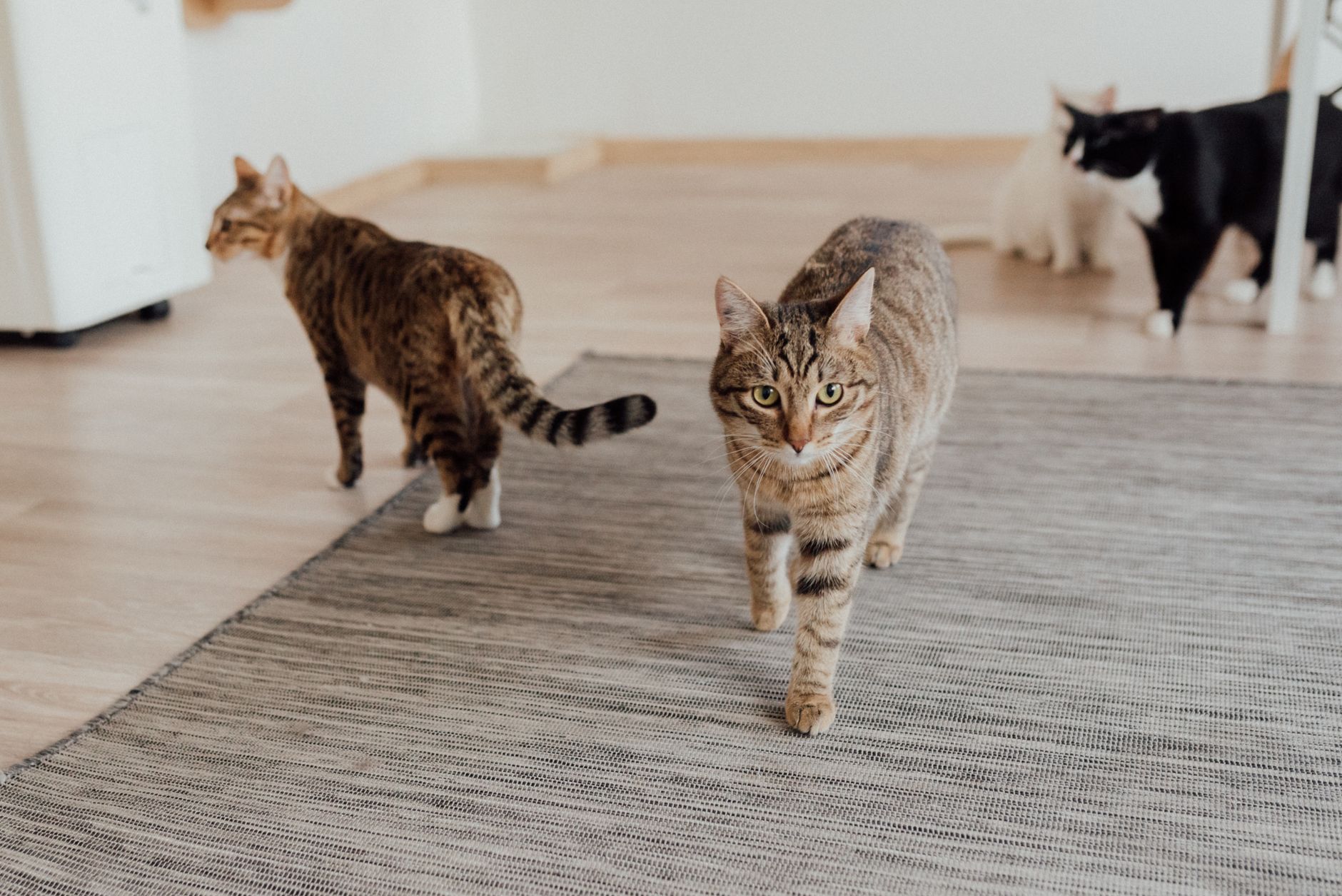
Sudden weight loss in a diabetic cat happens when low insulin or insulin resistance keeps glucose out of cells. The body then burns fat and muscle for energy, even when the cat eats normally or more.
Diabetes mellitus is the disorder where blood sugar stays high because insulin is missing or works poorly. Affected cats are most often overweight adults. Texas A&M College of Veterinary Medicine and Biomedical Sciences notes overweight cats carry about four times the diabetes risk, with typical signs of unexplained loss, excess thirst and urination, and dull coat, described in the Texas A&M pet-care article.
Table of Contents
- Why does weight drop even when appetite stays up?
- Does continued loss mean control is slipping?
- Could another illness add to the loss?
- How do vets steady weight safely?
Why does weight drop even when appetite stays up?
Glucose is the main fuel for cells. Without enough working insulin, glucose stays in blood and cannot enter cells. The body acts as if it is starving and breaks down stored fat plus muscle. That process explains loss with normal or higher food intake.
The Merck Veterinary Manual describes this shift to fat and muscle breakdown when insulin action fails, detailed in the Merck Veterinary Manual review. More food cannot fix the gap because cells still lack usable fuel. Cats may drink more, urinate more, eat more, and still grow thinner. A dull coat can appear along with less stamina and weaker hind-leg movement.
Does continued loss mean control is slipping?
Yes, in a diagnosed cat continued or sudden loss points to poorly controlled diabetes. Cornell University College of Veterinary Medicine lists stopping or controlling weight loss as a main treatment goal with restoring normal blood sugar, explained in the Cornell feline diabetes guide. Poor regulation can worsen quickly.
Concurrent illness raises stress hormones, increases insulin resistance, speeds fat breakdown, and can lead to ketone buildup. That state, diabetic ketoacidosis, threatens life and needs emergency care. Stress alone can briefly raise feline blood sugar. Vets therefore look for lasting high sugar plus sugar in urine, often with fructosamine testing, before changing insulin.
Could another illness add to the loss?
Often. A diabetic cat that keeps losing may carry a second problem that raises demand, lowers intake, or blocks nutrient use. Cornell advises testing for other disease when signs persist despite care.
Common contributors to rule out include: Watch for vomiting, diarrhea, fever, bad breath, rapid breathing, fruity breath odor, weakness, or collapse. New or stronger thirst, urination, hunger, or sleepiness also matters. Bring dates, weights, food amounts, water intake, and litter-box changes to the visit.
- urinary-tract infection with more frequent or painful urination
- chronic kidney disease with thirst, nausea, or poor appetite
- pancreatitis with vomiting, belly pain, or food refusal
- hyperthyroidism with restlessness, fast heart rate, and hunger with loss
How do vets steady weight safely?
Care usually pairs twice-daily insulin with diet therapy matched to the cat. For overweight cats, the vet sets a slow, watched reduction plan.
Fast weight loss and abrupt fasting can trigger hepatic lipidosis, a dangerous liver fat buildup. Prompt blood and urine testing matters when loss pairs with more eating, drinking, or urinating. Early care gives the best chance to restore fuel use, protect muscle, find hidden illness, and adjust insulin and meals before crisis hits.