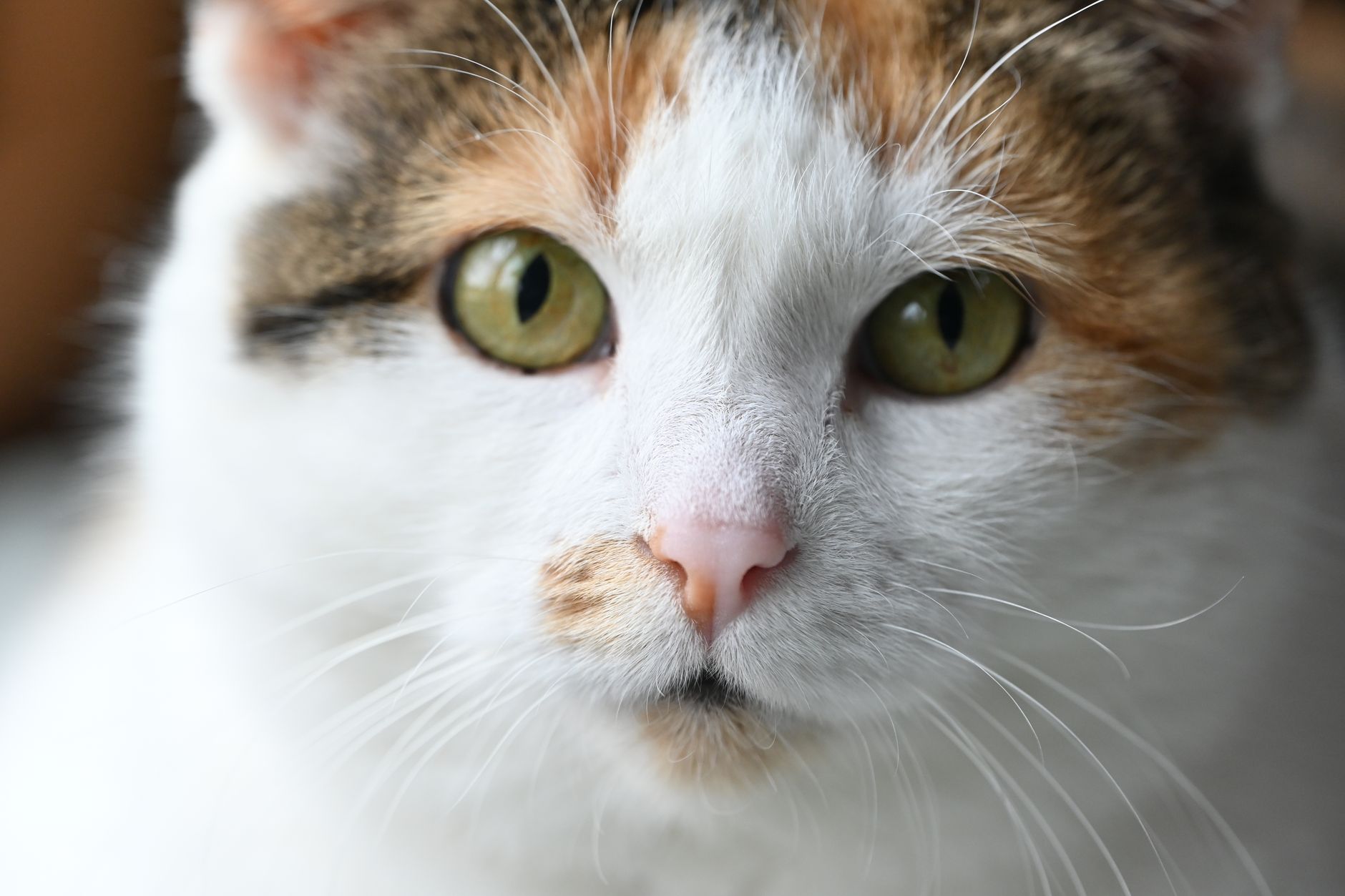
Cat diabetes in 2026 mainly affects overweight, middle-aged, male, indoor and Burmese cats, and care now centers on early testing plus vet-directed oral drugs or insulin with diet and weight control. Key evidence favors low-carbohydrate feeding, controlled weight loss, and SGLT2 inhibitors as first-line therapy for many stable newly diagnosed cats. Diabetes mellitus means high blood sugar from insulin resistance and impaired insulin action. In cats it most often resembles human type 2 diabetes.
Table of Contents
- Which cats face the highest risk?
- What signs should prompt testing?
- What are the treatment options in 2026?
- What should owners do next?
Which cats face the highest risk?
Overweight cats carry the highest burden. Cornell University College of Veterinary Medicine reports heavy or obese cats are 4.5 times more likely to develop diabetes mellitus than optimal-weight cats, with up to about 1% of cats affected in their lifetime Cornell weight guidance.
Middle-aged, male, indoor and Burmese cats are also overrepresented. That pattern makes weight, age, sex, lifestyle and breed useful risk signals. An indoor middle-aged male that gains weight steadily deserves closer attention than a lean young female.
What signs should prompt testing?
Watch water intake, litter-box output, appetite, weight, energy and hind-leg strength. The American Animal Hospital Association describes increased thirst and urination, ravenous appetite with weight loss, lethargy, and hind-leg weakness from neuropathy if untreated.
Weakness may look like crouching on hocks instead of toes. It reflects nerve injury from prolonged high blood sugar. Do not wait for collapse, vomiting or refusal to eat.
What are the treatment options in 2026?
Traditional care used twice-daily insulin injections. The U.S. Food and Drug Administration notes FDA approval of bexagliflozin tablets in December 2022 and velagliflozin oral solution in August 2023 as once-daily oral SGLT2 inhibitors for insulin-naive diabetic cats FDA animal health notice. The May/June 2026 American Animal Hospital Association guidelines recommend SGLT2 inhibitors as first-line therapy for many newly diagnosed cats that eat well, stay hydrated and remain clinically stable, according to a dvm360 summary.
The same guidelines reserve insulin for cats with vomiting, poor appetite, dehydration, diabetic ketoacidosis, liver disease, advanced kidney disease or high calcium dvm360 guidelines summary. This choice is medical triage, not owner preference. Stable and eating well points one way. Vomiting, dehydration or ketoacidosis points toward insulin.
What should owners do next?
Start with prompt veterinary testing. AAHA guidance calls for blood glucose, fructosamine and blood beta-hydroxybutyrate testing, with continuous glucose monitoring preferred for cats.
Then align daily care with the prescribed drug: Diet plus medical therapy can drive remission. AAHA dietary guidance advises about 12% of metabolizable energy from carbohydrates and reports remission from 15% to 100% when diet is combined with insulin and controlled weight loss in overweight cats. Before and during SGLT2 inhibitor treatment, AAHA requires beta-hydroxybutyrate screening because these drugs can trigger euglycemic diabetic ketoacidosis, and advises against starting bexagliflozin above 3.6 mmol/L, or above 2.4 mmol/L with prior acidosis or kidney compromise.
- Keep feeding consistent with high-protein, low-carbohydrate food
- Pursue controlled weight loss if the cat is overweight
- Follow the vet plan for drug dosing, glucose checks and rechecks
- Report reduced appetite, vomiting, lethargy, dehydration or rapid breathing promptly