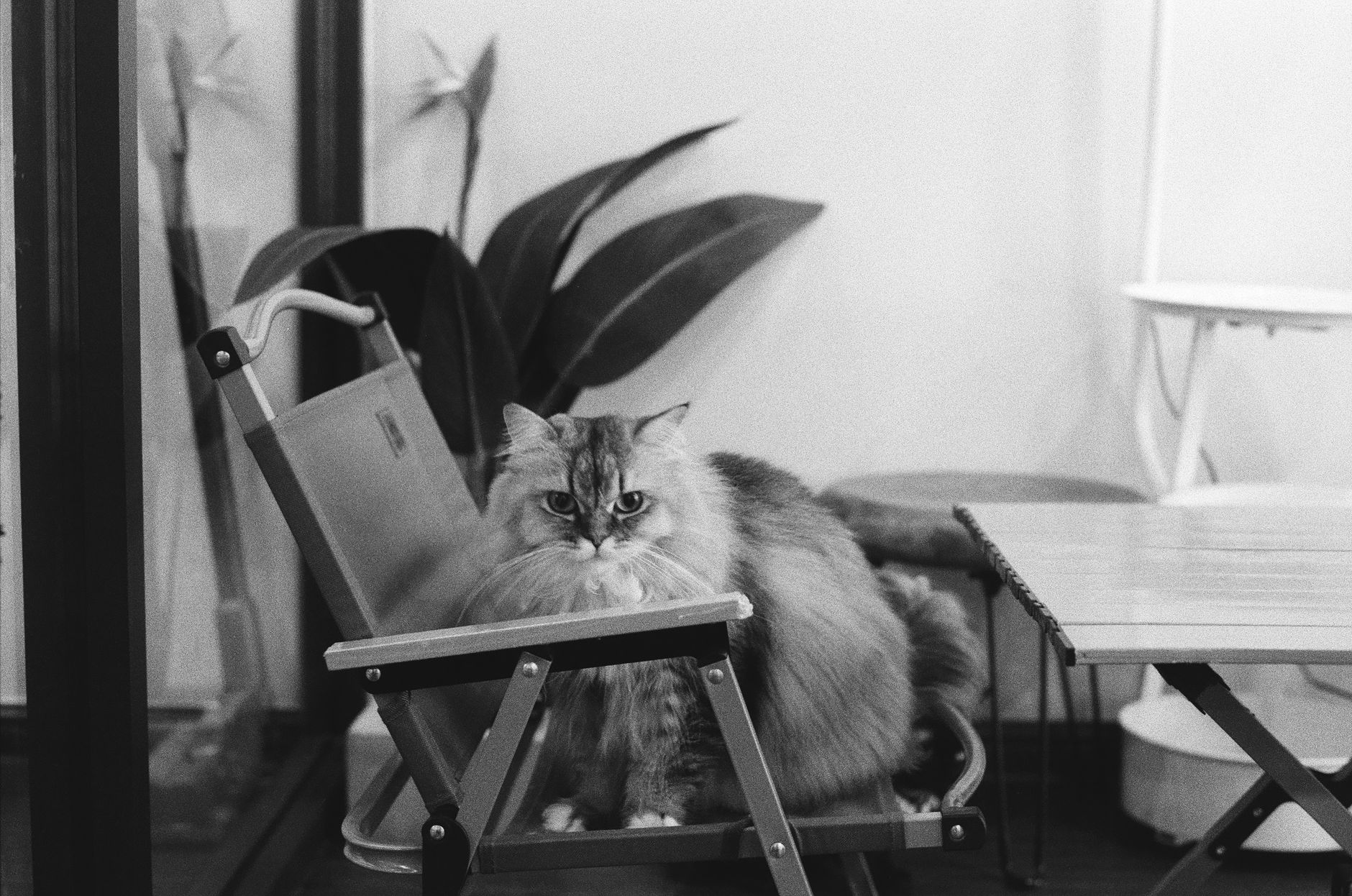
A cat bringing up a hairball about once every week or two is generally normal. More than about once a week is outside the normal range. A hairball is a damp clump of swallowed fur that collects in the stomach instead of passing through. Cats swallow loose hair during grooming because hook-like structures on the tongue catch it, according to the Cornell University College of Veterinary Medicine in its explanation of the hairy dilemma.
Table of Contents
- What counts as normal?
- Why do some cats make more hairballs?
- When should you call the veterinarian?
- How can you lower hairball frequency?
What counts as normal?
An occasional hairball every week or two is not uncommon and is generally considered normal, according to the Cornell University College of Veterinary Medicine in its guide to the danger of hairballs. The episode is usually brief. The cat retches, expels the clump, then returns to eating and playing.
Frequency matters more than appearance. A single hairball after heavy shedding differs from a pattern of every few days or daily. Track dates on a calendar for a month. That record helps separate an occasional event from a rising trend.
Why do some cats make more hairballs?
Long-haired breeds such as Persians and Maine Coons swallow more fur. Heavy shedders, cats changing coats with the season, and older cats also face higher risk.
Grooming behavior raises the load too. Cats with allergies, parasites, stress grooming, or compulsive licking take in extra hair, according to Yalesville Veterinary Hospital in its 2025 hairball article. More swallowed hair means more material that can collect rather than pass.
When should you call the veterinarian?
Producing hairballs more often than about once a week warrants veterinary evaluation, especially with painful or prolonged retching. Yalesville Veterinary Hospital notes that gastrointestinal or skin disease may be driving the excess.
Do not wait for daily episodes to become routine. Seek care without delay for these warning signs: A clump that moves from the stomach into the intestine can cause a potentially life-threatening blockage. That type of blockage can be fatal without intensive clinical care or surgery.
- lethargy or sudden low energy
- refusal of food for more than a day or two
- repeated unproductive retching or true vomiting
- painful, prolonged effort to bring up a hairball
How can you lower hairball frequency?
Daily brushing and combing removes loose hair before the cat swallows it. Keep flea prevention current, since itching and overgrooming add fur to the digestive tract.
For cats with frequent hairballs unrelated to gastrointestinal disease, added dietary fiber can help move swallowed hair through the tract. Texas A&M College of Veterinary Medicine and Biomedical Sciences describes fiber as part of a veterinarian-directed plan in its Pet Talk on handling a hairball hassle. Ask your veterinarian whether grooming changes, diet changes, or medication fit your cat.