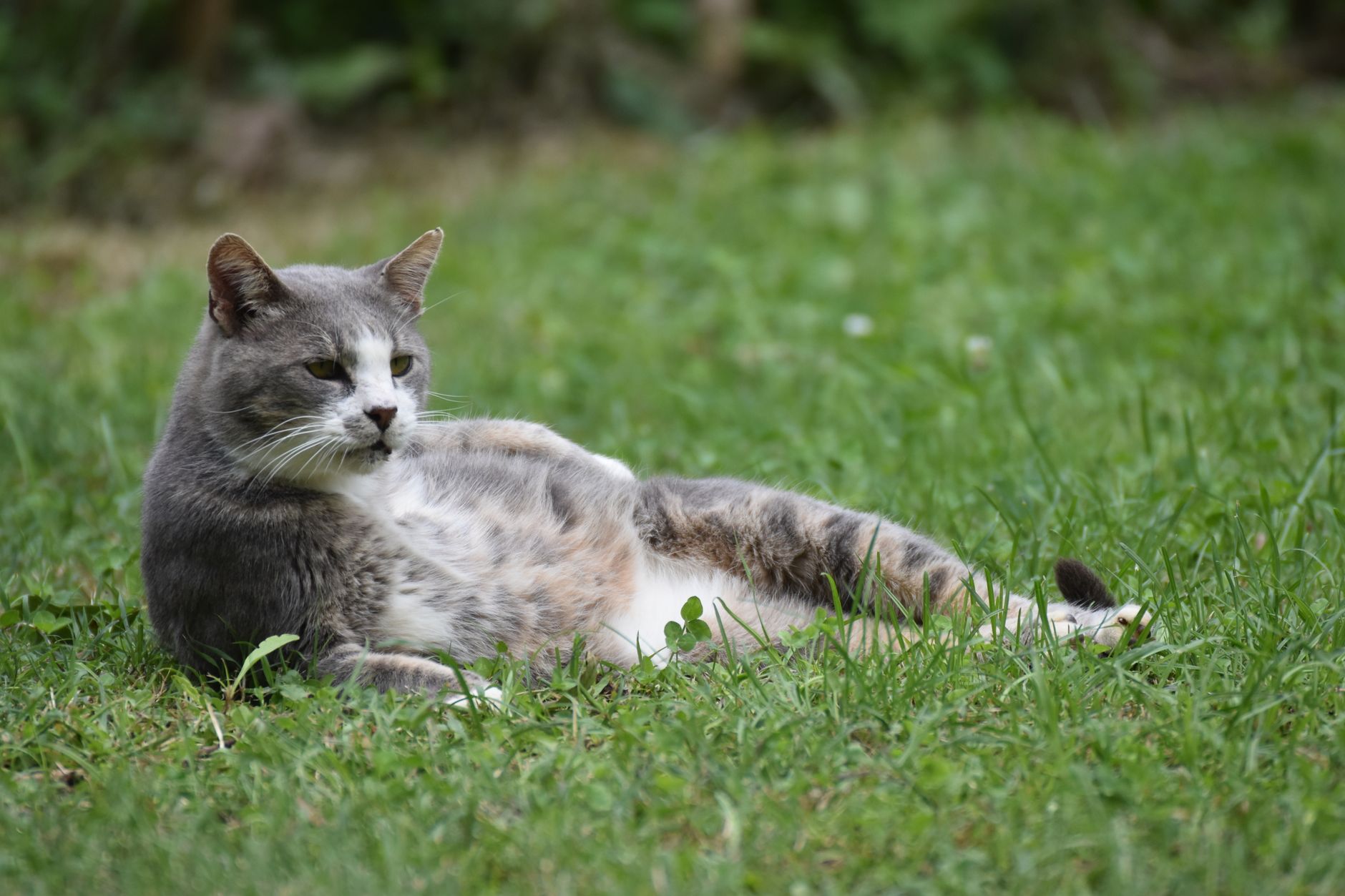
Yes, a swallowed hair mass can lodge in a cat's small intestine and block nutrients and waste from passing through. The blockage can be partial or complete, according to Cornell's guide to hairball dangers. A trichobezoar is the medical term for a gastrointestinal obstruction caused by hair. Any cat that grooms itself swallows loose hair and can develop one.
Table of Contents
- How does hair end up blocking the intestines?
- Which cats are at risk?
- What warning signs point to trouble?
- How do vets diagnose and treat a blockage?
How does hair end up blocking the intestines?
Most swallowed hair passes through the digestive tract without trouble. A dense mass can compact instead and get stuck in the narrow small intestine. Veterinarians classify these masses as a cause of intraluminal obstruction in cats.
The MSD Veterinary Manual on gastrointestinal obstruction lists trichobezoars as a cause of blockage anywhere from esophagus through colon. Once lodged, the mass acts like a plug. Food, fluid, and waste cannot move normally past that point.
Which cats are at risk?
Any self-grooming cat is at risk of developing a trichobezoar, according to VCA Animal Hospitals on trichobezoars in cats. Grooming is normal behavior, so risk is not limited to one breed or age. Longhaired cats swallow more loose hair during routine grooming.
Cats that shed heavily or groom often may form larger masses more quickly. Risk rises when a mass fails to come back up as a vomited hairball. That retained hair can travel farther and lodge in the intestines.
What warning signs point to trouble?
Affected cats often show repeated unproductive retching or true vomiting. Owners may also see lethargy, refusal to eat for more than a day or two, belly pain, and constipation or no bowel movements.
Watch for this pattern at home: Frequent hacking does not always mean hairballs. It can instead signal another gut problem or breathing disease such as asthma, which needs different emergency care.
- repeated retching without producing a hairball, or frequent vomiting
- eating little or nothing for more than a day
- low energy, hiding, or crying when the belly is touched
- straining, constipation, or no bowel movements for over 24 hours
How do vets diagnose and treat a blockage?
Diagnosis starts with a physical exam, bloodwork, and X-rays, sometimes plus ultrasound. The veterinarian will also ask about the cat's hairball-regurgitation pattern, according to Cornell's guide to the hairy dilemma. Treatment depends on severity and location.
More often care means several days in the clinic with intravenous fluids and laxatives to help the mass move through. If the intestine is fully blocked, surgery may be needed to remove the hairball. A cat with lethargy, appetite loss, repeated vomiting, belly swelling or pain, or constipation beyond 24 hours needs a veterinarian without delay.