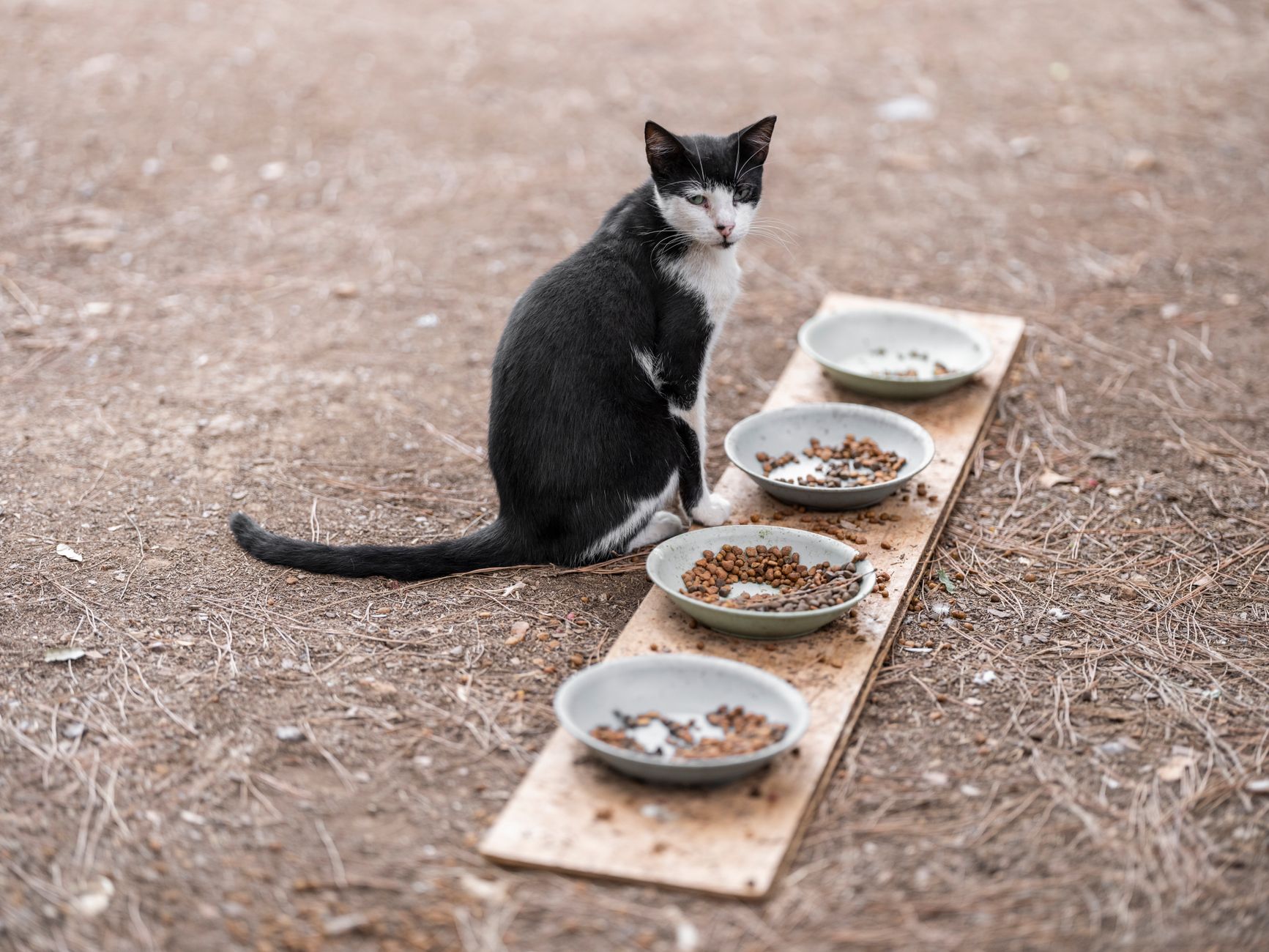
Keep your cat's normal feeding times and meal count unchanged through the move. Many healthy adult cats do well fed once or twice daily, while kittens up to about six months may need three meals daily, adjusted for age, health and preference, according to Cornell University College of Veterinary Medicine in Cornell's feeding guide. Cats depend on predictability. CatHealth.com veterinarians advise keeping feeding, play and sleep times unchanged before, during and after packing to lower stress, as explained in CatHealth.com's moving guide.
Table of Contents
- What stays the same while you pack?
- How do you make the carrier and safe room feel safe?
- Where do bowls go on moving day and arrival?
- When does skipped food need a vet call?
What stays the same while you pack?
Keep the clock steady even as boxes stack up. Serve breakfast and dinner at the usual times. Keep play and sleep times unchanged too, so packing noise does not reset the day.
If your cat already eats small, frequent meals, keep that pattern. The FelineVMA advises small, frequent meals through the day to mimic natural feline feeding. For multi-cat homes, the FelineVMA advises feeding separately with visual separation to reduce competition and tension.
How do you make the carrier and safe room feel safe?
A safe room is a quiet, closed room with familiar bedding, food, water and litter. VCA Animal Hospitals advises keeping the cat confined there on packing and moving day to prevent escape and reduce overwhelm.
Start before moving day. Cats Protection advises letting the cat explore the safe room and carrier in advance and feeding meals there, so the spaces signal safety later, as described in Cats Protection's moving guide. Try dinner in the open carrier for several nights, then breakfast in the future safe room.
Where do bowls go on moving day and arrival?
Cornell advises separate food and water dishes kept far from the litter box, with easy access. During a move, recreate the same bowl placement and quiet feeding spot first, not beside litter. Set the new safe zone before opening the carrier: Cats Protection also advises creating a cat-safe zone in both old and new homes and checking with a vet about travel.
- place bowls, water and litter as they were in the old home
- put litter across the room from food
- feed at the normal time with the door closed
When does skipped food need a vet call?
A short appetite dip can happen with noise and change. Hepatic lipidosis is a dangerous liver condition that can follow not eating. Cornell warns that anorexia harms mature cats within about 24 hours and can precede hepatic lipidosis, so a move-related refusal lasting a full day needs prompt veterinary contact, according to Cornell in Cornell's anorexia guide.
Offer the usual food in the quiet spot and watch intake closely. Do not switch diets mid-move to tempt eating. If an adult cat eats nothing for 24 hours, call your veterinarian promptly.