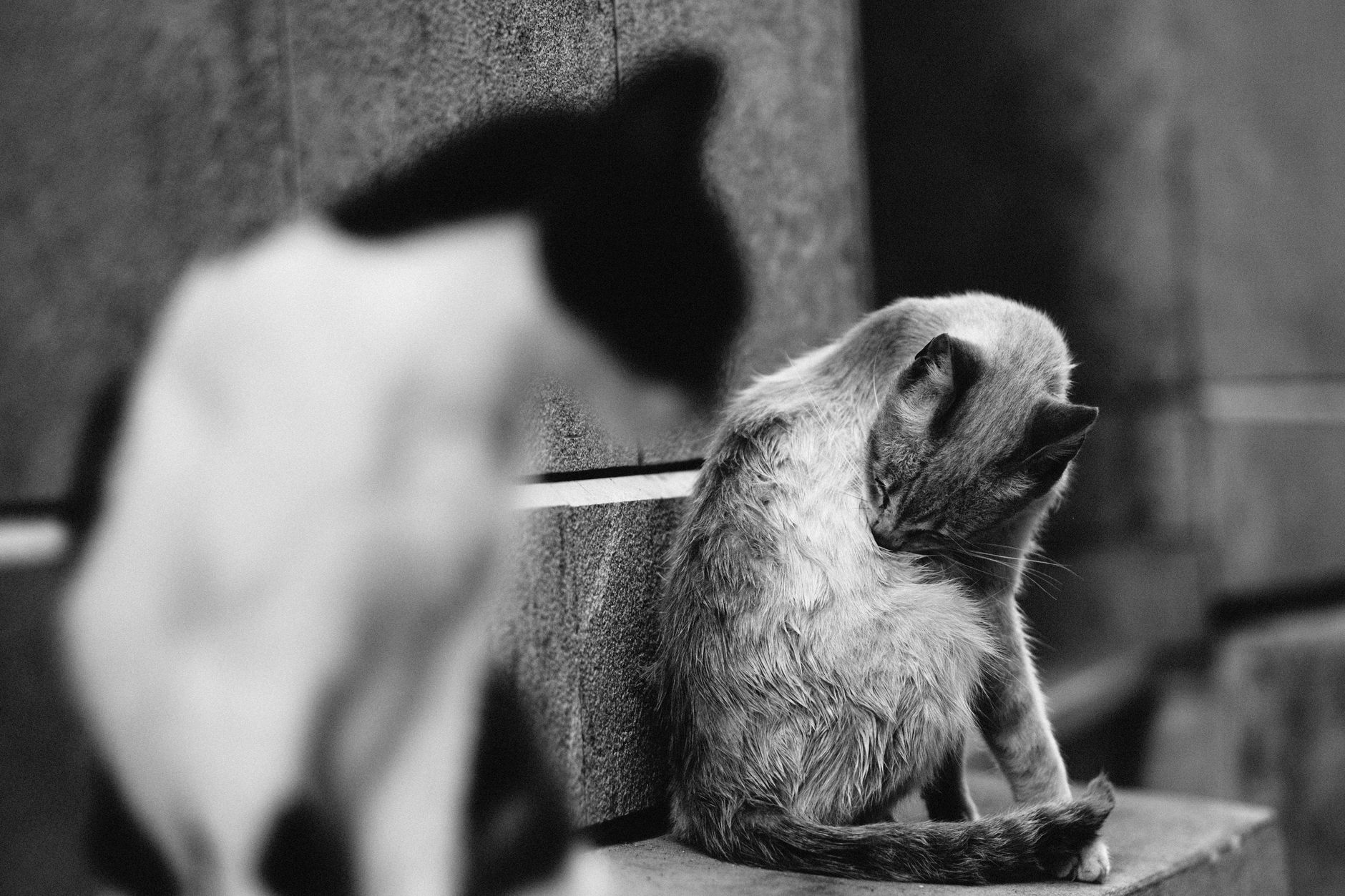
Yes, switching cat food can reduce allergic skin reactions when a food allergy causes the itch. A food allergy is an immune reaction to a dietary protein, and removing that protein removes the trigger. That pattern usually looks like year-round itching with scratching at the face, neck, and ears, plus sores, over-grooming, and hair loss. It can also include vomiting or diarrhea, according to VCA Canada's overview of food allergies in cats.
Table of Contents
- Which ingredients most often trigger it?
- How does an elimination trial prove food is the cause?
- What rules make the trial valid?
- Why does switching food sometimes change nothing?
Which ingredients most often trigger it?
The most common feline triggers are beef, fish, and chicken, reported at about 18%, 17%, and 5% of confirmed cases in a research review. Dairy, wheat, corn, and lamb are also reported, as described in the Mueller review of food allergy in dogs and cats. A cat must have eaten the protein before to become allergic to it.
That is why a cat eating chicken for years can develop an allergy to chicken. Common foods cause most cases because cats meet them often. Rare ingredients are less likely culprits for most pets.
How does an elimination trial prove food is the cause?
Veterinary dermatologists use an exclusive 8–12 week trial with a novel-protein or hydrolyzed prescription diet, then reintroduce the old food to confirm relapse. Cornell Feline Health Center describes this food trial and challenge as the diagnostic standard, as explained in Cornell's guide to food allergies in cats.
A hydrolyzed diet contains protein broken into very small peptides. The MSD Veterinary Manual says these fragments are intended to fall below the size that triggers immune recognition. The basic sequence is:.
- Feed only the prescribed diet and water for the full period.
- Give no other foods, treats, or shared pet food.
- Watch for reduced itching, sores, and over-grooming.
- Return to the old diet under veterinary direction to check for relapse.
What rules make the trial valid?
During the trial the cat must eat only the prescribed diet and water. VCA Animal Hospitals warns that treats, table scraps, other pets' food, or flavored medications can invalidate the test. Retail bags labeled hypoallergenic are not a substitute.
A 2018 PCR study discussed by Cat Professor found unlisted animal proteins in 6 of 11 limited-antigen diets, while the tested hydrolyzed product did not contain them. Keep all household members to the same plan. One shared bowl, dropped snack, or meat-flavored medicine can hide the answer.
Why does switching food sometimes change nothing?
Food allergy causes under 10% of allergic skin disease in cats and ranks behind flea allergy and environmental atopy. The MSD Veterinary Manual places food allergy behind those causes, which explains many failed food switches, as noted in the manual's guide to allergies in cats.
Fleas, mites, skin infection, and atopy can produce the same scratching and sores. A cat can also have more than one allergy at once. Ask your veterinarian whether flea control, mite checks, and infection treatment should come before or alongside the diet trial.