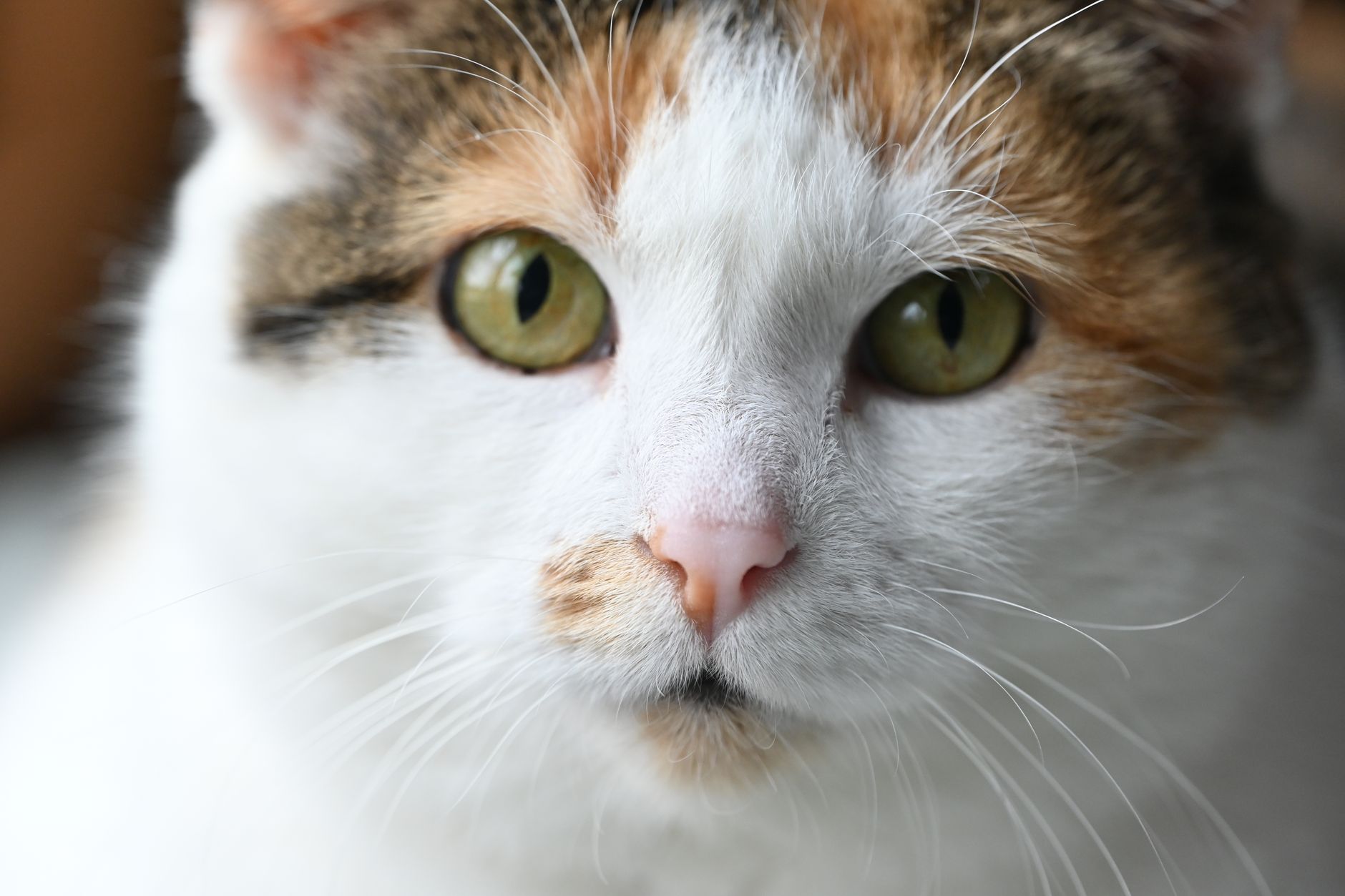
Yes, cat allergies can cause asthma flare-ups in owners who have both conditions. Allergic asthma means the airways narrow after inhaling an allergen, causing coughing, wheezing and shortness of breath, according to the Asthma and Allergy Foundation of America's pet allergy guide. The trigger is not fur itself. The reaction comes from proteins in dander, saliva and urine, which ride on small airborne particles that can enter the eyes, nose, airways and lungs.
Table of Contents
- How cat allergens reach the lungs
- Who faces the highest risk?
- How fast do flare-ups start?
- What steps reduce flare-ups?
How cat allergens reach the lungs
Cat allergen particles stay light enough to float through indoor air. Owners breathe them in during petting, grooming, changing bedding or simply sharing the same room. Once inhaled, the major cat allergen Fel d 1 can drive type-I hypersensitivity and ongoing airway inflammation.
That process can produce perennial rhinitis, conjunctivitis and asthma alone or together, according to the feline allergy review in the Journal of Feline Medicine and Surgery. Eyes, nose and bronchial tubes may react at the same time. Watery eyes and sneezing can therefore appear alongside chest tightness.
Who faces the highest risk?
Risk is highest for people who already have both allergy and asthma. An estimated 10-20% of the world population has cat or dog allergy, and about 20-30% of people with asthma develop severe respiratory symptoms after cat contact, according to the feline allergy review in the Journal of Feline Medicine and Surgery. Highly sensitive owners may wheeze after brief exposure.
Less sensitive owners may notice mainly nasal or eye symptoms at first, then develop breathing trouble with continued exposure. No breed removes this risk because all cats produce allergens. Some owners tolerate certain cats more than others, but no truly non-allergenic cat exists.
How fast do flare-ups start?
In highly sensitive owners, a severe episode with difficult breathing can begin within 15 to 30 minutes of inhaling airborne animal allergens. A quick onset often follows close contact, dusty bedding or a poorly ventilated room. Other owners react more slowly.
At low allergen levels, symptoms may not appear until after several days of contact. Absence of immediate wheeze therefore does not rule out a cat-related cause. Track repeated cough, night waking, chest tightness and need for a rescue inhaler after cat exposure.
What steps reduce flare-ups?
Lowering airborne allergen helps, although it rarely removes every particle. Keep the cat out of the bedroom, run an air filter, clean bedding and soft furnishings, and limit close face-to-fur contact.
Medication is often part of the plan. Owners with cat-allergic asthma may use allergy medicines plus inhaled corticosteroids or bronchodilators to prevent or relieve breathing symptoms, according to Cleveland Clinic's medically reviewed pet allergy guide.
- Keep bedroom doors closed and keep pillows and blankets cat-free
- Use an air filter and vacuum and dust regularly
- Wash hands after handling the cat and change clothes after heavy contact
- Use prescribed allergy and asthma medicines as directed and seek care for worsening wheeze