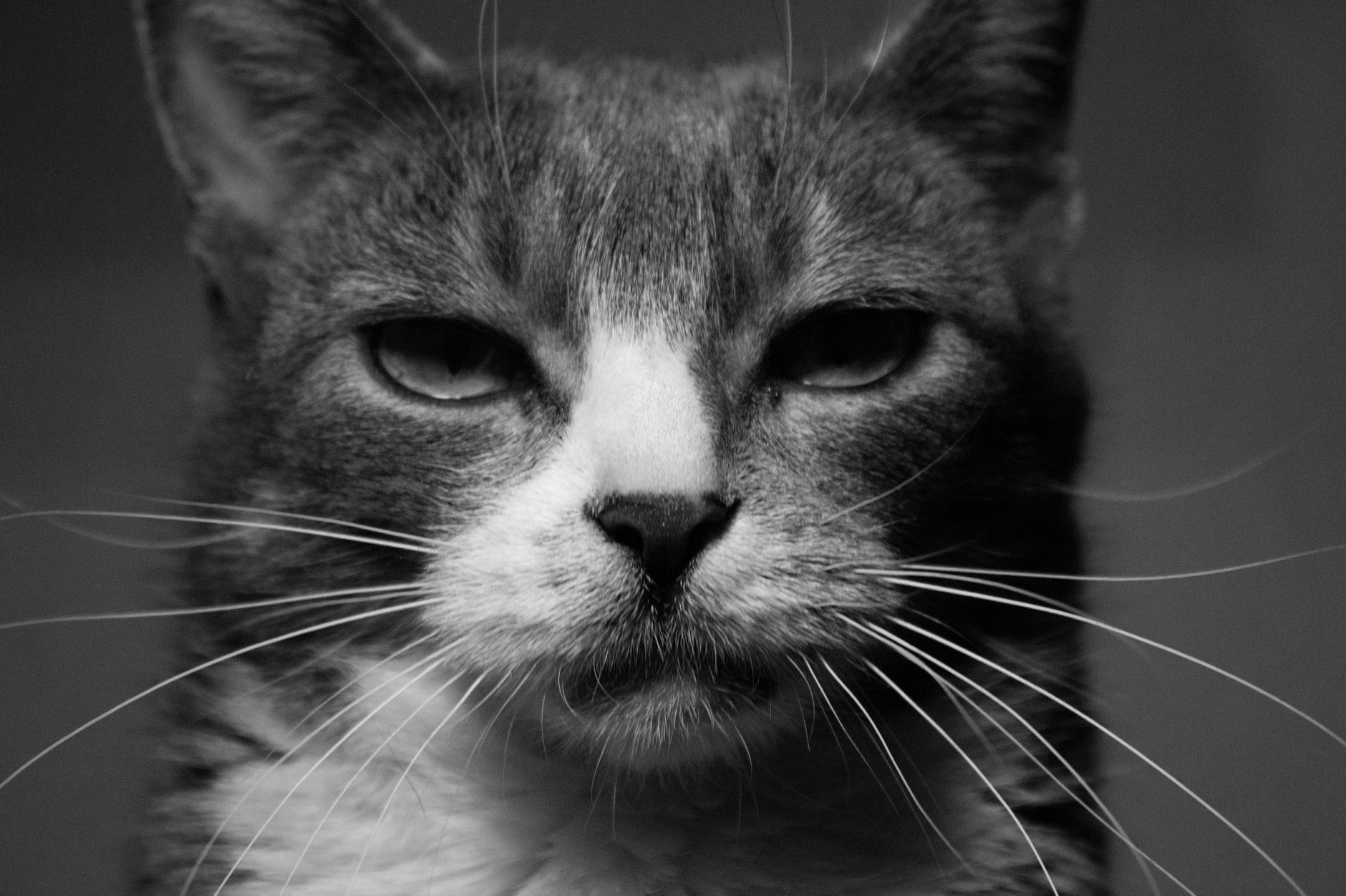
Your cat purrs and kneads at the same time because the combination recreates nursing comfort and signals relaxation. Kneading means rhythmically pushing the front paws into a soft surface, and paired with steady purring it usually means safety and affection. You will often see it on a lap, blanket, or couch during petting, resting, or cuddling. Context matters because the same pairing can sometimes soothe stress.
Table of Contents
- Why does it trace back to kittenhood?
- Is your cat marking you as safe?
- When does the same pairing mean stress?
- What should you check before you relax?
Why does it trace back to kittenhood?
Nursing kittens push their front paws into the mother's belly to stimulate milk flow. Ohio State University Veterinary Medical Center, via Care.com's kneading guide, links that early reward to adult comfort and security. Relaxed adults repeat the pattern on soft surfaces or trusted people.
According to Scientific American's look at kneading behavior, the combined kneading and purring re-creates kittenhood nursing comfort and bonding. That history explains why many cats return to the same blanket, pillow, or lap. Familiar softness plus your calm presence cues the old association.
Is your cat marking you as safe?
Kneading also deposits scent from glands in the paw pads. Zoetis Petcare, in its explanation of kneading behavior, says this marks the person, blanket, or spot as familiar and safe. The mark signals ownership and affection in cat terms.
Your lap becomes part of the cat's trusted territory. That is why kneading often comes with nuzzling, head-butting, or settling down to rest. The cat is choosing to stay close.
When does the same pairing mean stress?
Purring during petting or cuddling usually signals contentment and relaxation. Exeter Veterinary Hospital describes steady, rhythmic purring as a sign the cat feels safe and socially bonded. Cornell Feline Health Center adds an important limit: cats also purr when frightened, injured, ill, anxious, giving birth, or under examination.
In those moments the vibration helps the cat self-soothe and signal need. VCA Animal Hospitals notes the same overlap for kneading. Injured or unwell cats may knead and purr together as a less-common calming response, not only from happiness.
What should you check before you relax?
Purring alone does not prove good health because cats hide pain. Judge the sound with posture, appetite, activity, litter habits, and desire for contact. A soft body, slow blinks, and steady rhythm point toward contentment.
Tense muscles, hiding, panting, or crying point the other way. Heineke Veterinary Hospital advises owners to seek veterinary assessment when increased purring comes with behavior, appetite, or activity changes, as described in its guide to decoding the purr. Note what changed, when it started, and share video if possible.
- increased purring with less eating, playing, or moving
- hiding, aggression, vomiting, limping, or breathing changes
- kneading that turns restless, urgent, or paired with vocal distress