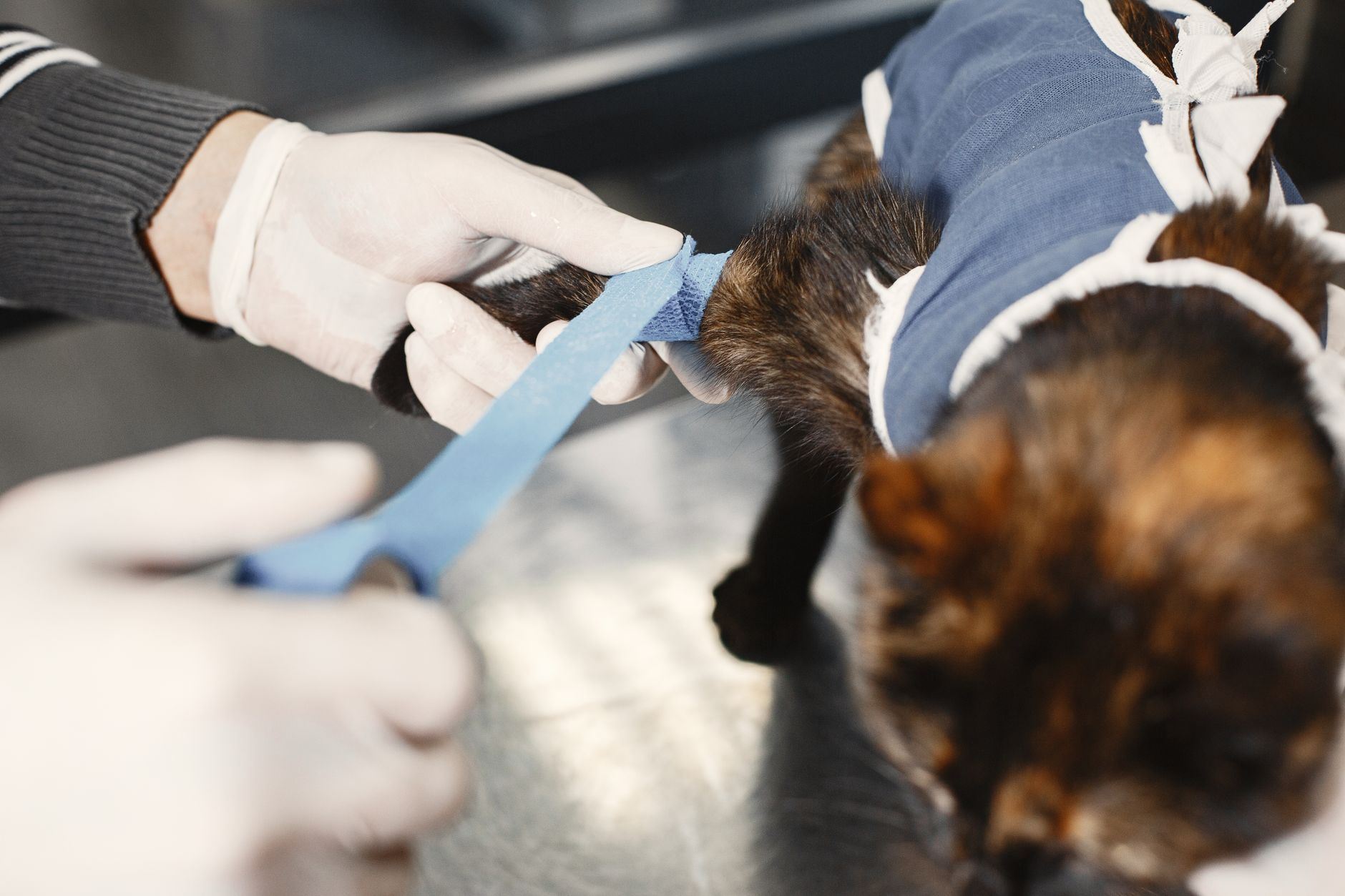
Ask your vet what remission and quality of life your cat can gain, and what side effects, visits, and home handling treatment requires. Ask for the likely outcome by tumor type, plus when you would lower the dose, switch drugs, or stop. Cat chemotherapy means drugs that slow cancer growth and ease symptoms. Veterinary chemotherapy generally aims to extend or improve quality of life and achieve remission rather than cure cancer, according to VCA Hospitals' chemotherapy guide.
Table of Contents
- What will treatment achieve for my cat?
- Will my cat feel sick from chemotherapy?
- What happens at each visit?
- How do I handle drugs and litter safely?
- When do we adjust, change, or stop?
What will treatment achieve for my cat?
Ask what success looks like in plain terms. For many cats, success is eating better, staying active, and keeping tumors controlled for months. Ask how remission will be measured and how often the plan will be reviewed. Ask for prognosis by tumor type, because drugs and schedules differ.
Small-cell gastrointestinal lymphoma is treated with at-home oral chemotherapy with survival of one to two years or more. Large-cell lymphoma needs multi-agent injectable plus oral CHOP chemotherapy. Feline lymphoma is generally not considered curable and relapse is common. Ask what relapse would look like for your cat. Ask what the next choice would be if the first drugs stop working.
Will my cat feel sick from chemotherapy?
Cats as patients generally tolerate chemotherapy well. Serious side effects requiring hospitalization occur in less than 10% of treated cats, according to Cornell CatWatch's cancer overview.
The most common problems to ask about are decreased appetite and weight loss. Also ask about vomiting, diarrhea, lethargy, and low white and red blood cell counts. Ask which signs are expected for one day and which need a prompt call.
- Eating less or losing weight
- Vomiting or diarrhea
- Low energy
- Signs of infection tied to low white blood cells
- Pale gums or weakness tied to low red blood cells
What happens at each visit?
Ask what monitoring each visit requires. Each chemotherapy visit typically includes a physical exam plus blood tests to check white blood cells and other parameters before dosing, according to VCA Hospitals' chemotherapy guide. Ask how long results take and what would delay a dose. Low cell counts, vomiting, weight loss, or poor appetite can change the plan.
Ask who to contact between visits and what records to bring. Use a visit worksheet so nothing is missed. Ask about risks and side effects, home management, which signs need an immediate call versus emergency care, and expected effects on daily activities and quality of life. The worksheet approach comes from Puppy Up Foundation's veterinary oncology guide.
How do I handle drugs and litter safely?
Ask whether any treatment is given at home by mouth. Oral drugs can expose people and other pets through pills, vomit, urine, and stool.
Ask for written handling steps before you leave the clinic. Owners handling drugs or waste must wear gloves, wash hands, store medicine away from food, keep children away, have pregnant people avoid handling, flush feces, bag litter, and continue precautions during therapy plus 2-3 days after the last dose. These steps come from Neumeister Animal Hospital's safe-handling guidance.
- Wear gloves for pills, litter, vomit, urine, and stool
- Wash hands after each task
- Store drugs away from food
- Keep children away from drugs and waste
- Let another household member handle drugs if pregnancy is a concern
When do we adjust, change, or stop?
Ask what trade-off would prompt a lower dose. Many side effects can be managed with dose delays, dose cuts, anti-nausea care, or appetite support. Ask which problems mean the drug should be changed instead. Ask what stopping would involve and what comfort care follows.
Stopping does not mean stopping care. It can mean pain control, nutrition support, fluids when appropriate, and closer monitoring at home. Bring a one-page log with appetite, weight, vomit, stool, energy, and drug times. Ask the vet to mark clear call-now and emergency thresholds on that page.