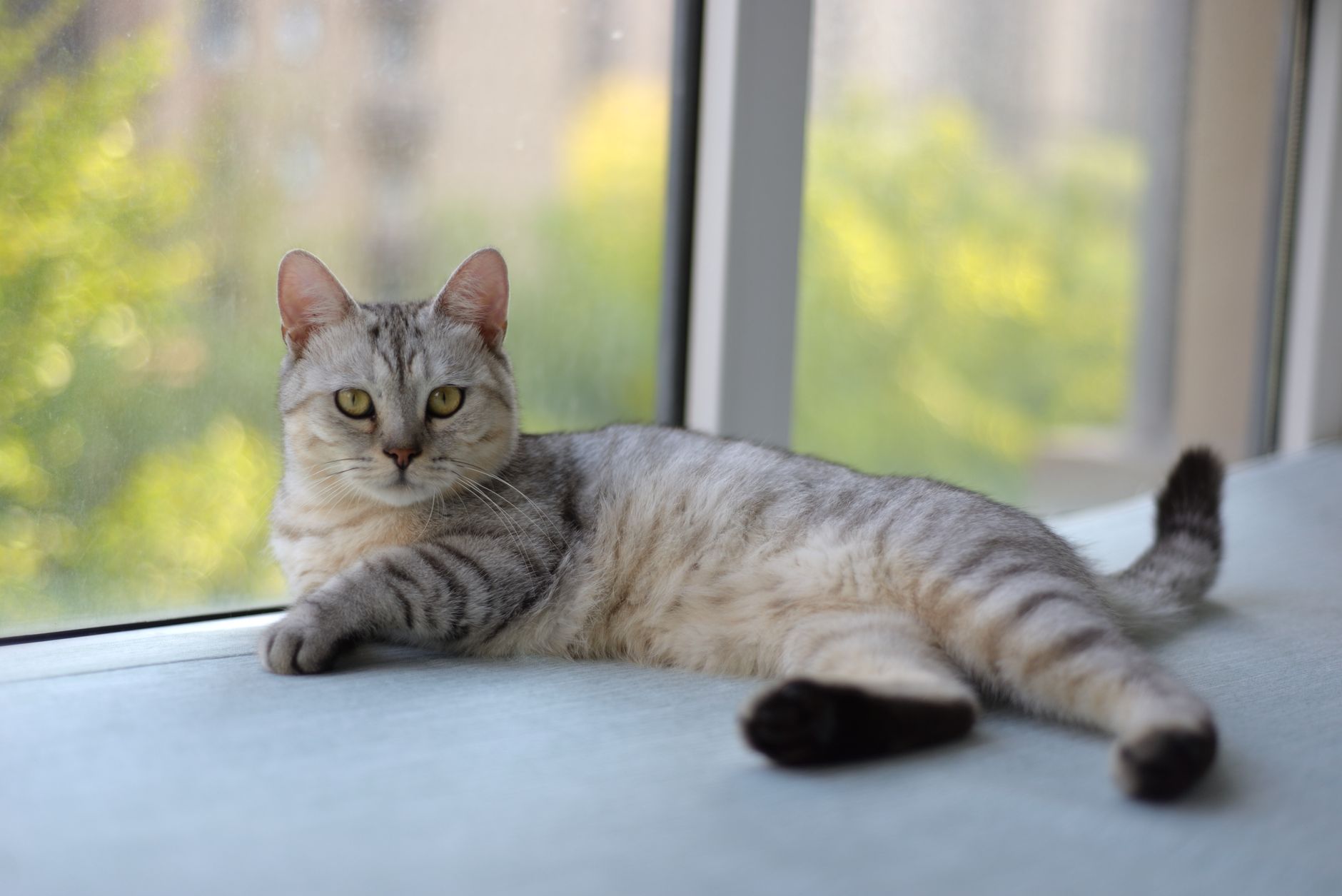
Siberians, Norwegian Forest Cats, and Maine Coons adapt best to winter catio life. A catio is an enclosed outdoor patio attached to a house, and these northern breeds handle brief cold-air time best because of dense, insulating coats. Russian Blues and British Shorthairs tolerate cool weather reasonably well but suit milder catio use. No breed stays safe in prolonged freezing weather without shelter, supervision, and a warm indoor retreat.
Table of Contents
- Why do northern breeds handle cold better?
- What about Russian Blues and British Shorthairs?
- How cold is too cold for catio time?
- How should you set up a winter catio?
Why do northern breeds handle cold better?
According to Catit, Siberians stay warm in snow with a triple coat of soft undercoat, regulating awn hairs, and waterproof guard hairs triple-coat breakdown. The layers trap body heat while keeping skin dry. That combination helps during short, supervised catio visits. According to the Cat Fanciers' Association, Norwegian Forest Cats developed in Norway with long glossy guard hairs over a dense woolly undercoat cold-weather breed history.
The undercoat supplies insulation, while the outer coat sheds snow and moisture. Cats from this background cope better with cold air than thin-coated cats. According to Taste of the Wild, Maine Coons bring a thick semi-water-resistant coat, ear and toe tufting, and large tufted paws that work like snowshoes winter-breed coat guide. Ear tufts reduce heat loss, toe tufts limit ice buildup, and wide paws spread weight on snow. These traits make Maine Coons practical winter-catio users in cold regions.
What about Russian Blues and British Shorthairs?
The Governing Council of the Cat Fancy links Russian Blues to Russia's cold Archangel region, with a short dense double coat that stands away from the body. Trapped air between the layers supplies insulation. They fit cool-weather catio time, but their shorter coat offers less protection than a long northern coat in wind and wet snow. Animal of Things describes British Shorthairs as having a short dense plush double coat suited to the British climate.
That coat beats a thin single coat for cool days. It does not equal Siberian-level protection for extended freezing exposure. Coat length is not the whole answer. Age, weight, health, grooming condition, and whether the coat is wet matter. A matted, damp, elderly, very young, or sick cat loses heat faster regardless of breed.
How cold is too cold for catio time?
Cornell Feline Health Center warns that winter wind, snow, and ice predispose outdoor cats to hypothermia and frostbite. Its guidance favors keeping cats indoors and giving outdoor cats dry shelter from cold, wind, and precipitation. A winter catio should follow the same rule: access stays optional, with indoor warmth always available.
PetMD and Great Pet Care, citing AVMA guidance, place danger below 45°F and higher risk of hypothermia and frostbite with prolonged exposure below 32°F. AVMA guidance favors living spaces above 50°F and below 80°F, with no long stays in freezing weather. Use those numbers as cutoff points, not goals. A simple catio rule helps:.
- Above 45°F: generally workable for healthy cold-hardy breeds with supervision
- 32-45°F: cautious, shorter visits with shelter and bedding
- Below 32°F: very brief or skip, especially with wind, wet fur, or ice
How should you set up a winter catio?
According to catio builder Cat Topia, winter catios need insulated shelters, elevated perches with blankets, and self-warming or heated pads, with catio time optional and supervised winter catio upgrades. Place shelters out of wind and precipitation. Raise sleeping spots off cold floors and add dry blankets. Keep water from freezing and remove wet bedding promptly.
Wet fur, metal flooring, snow buildup, and icy ramps drain heat fast. Check paws, ears, and tail tips after visits for cold, paleness, stiffness, or soreness. End visits before the cat shows discomfort. Shivering, hunching, crying, seeking shelter, or lifting paws means go inside now. For every breed, the warm house remains the main winter living space, with the catio as a short enrichment break.