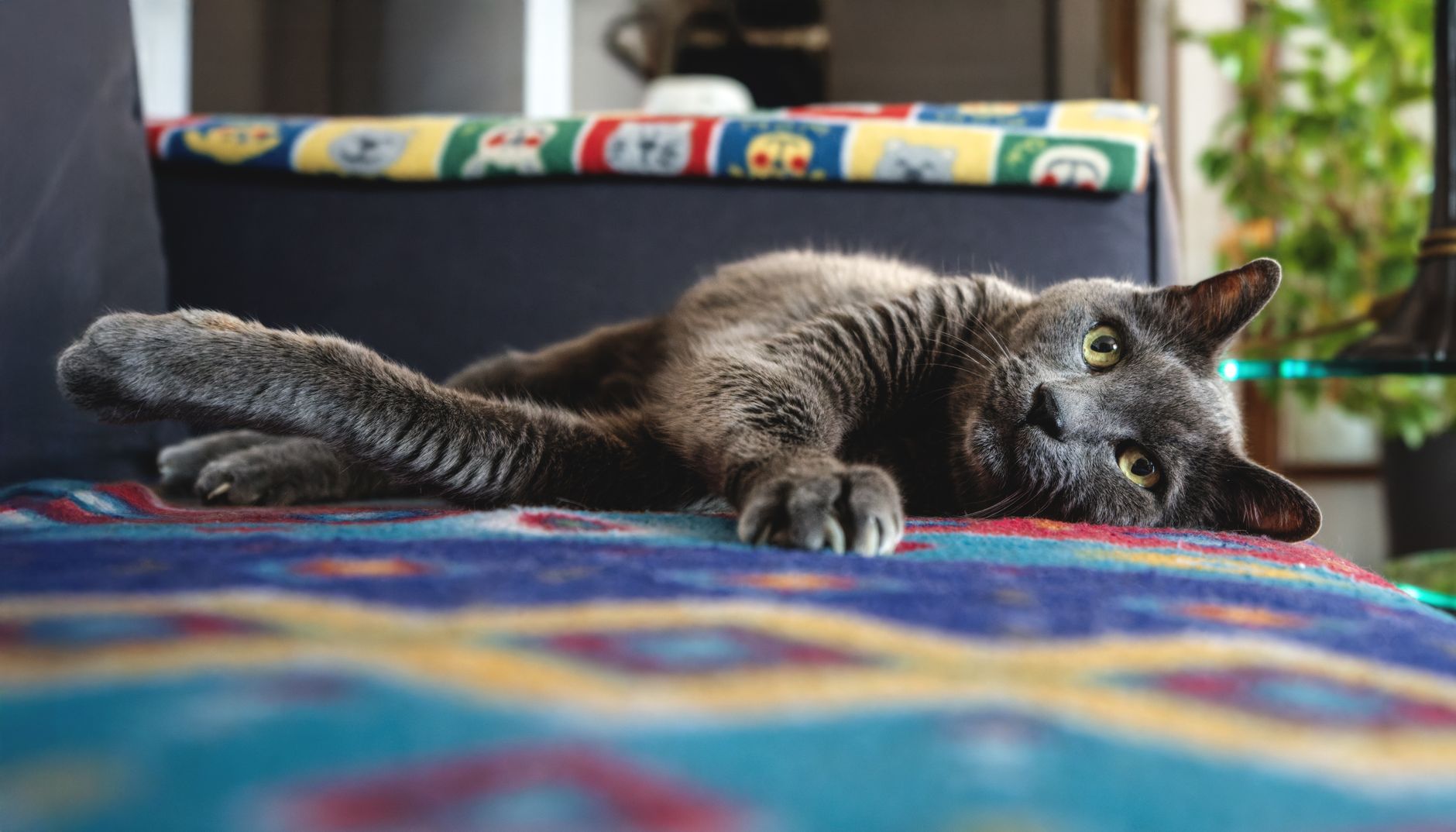
Cats given a catio become calmer and more active-relaxed, with less anxiety, irritability, house soiling, scratching, spraying and aggression. A catio is a secure outdoor enclosure linked to the home that lets a cat watch wildlife, sniff air and sunbathe without roaming free. University of Lincoln researchers reported higher overall welfare scores across 446 cats with controlled outdoor access in the Lincoln welfare study.
The group included indoor-only and previously free-roaming cats. About one owner in four reported better health and behavior after containment, according to Pet Industry News containment reporting. Companion Animal Psychology, reporting that study, says feeling safe outdoors matters as much as outdoor activity.
Table of Contents
- What calm behaviors improve first?
- Why do former roamers still settle?
- How does extra space ease tension between cats?
- What will a catio not fix alone?
What calm behaviors improve first?
Owners most often notice less anxiety and more active-relaxed time. Cats rest in the sun, watch and sniff, then settle indoors. Fewer episodes of house soiling and unexplained irritability follow that shift. A catio also supplies changing sights, sounds, smells, textures and wildlife watching.
Asheville Humane Society links that input to mental engagement in indoor cats. Engaged cats show less boredom-linked over-grooming, scratching and aggression. A typical shift looks small day to day. A cat that paced and scratched doorframes now sits on a shelf and tracks birds. Evening restlessness softens into play, then sleep.
Why do former roamers still settle?
Even cats with prior unsupervised outdoor access showed better welfare with controlled access. Companion Animal Psychology, reporting the Lincoln study, says feeling safe outdoors matters as much as outdoor activity. A fence, roof and familiar exit reduce threat without removing choice.
Safe access lets a cat choose sun, shade, height and retreat. Choice lowers vigilance. Lower vigilance leaves more time for rest, grooming and calm watching.
How does extra space ease tension between cats?
NOCO Humane reports less inter-cat aggression and fewer nuisance behaviors when shelters add catios. Extra space gives escape routes and separate resting spots. Inappropriate scratching and spraying drop when cats can spread out and use proper outlets.
This matters in small homes with two or three cats. One cat can perch high while another stays low. A tense stare can end because one cat simply leaves.
What will a catio not fix alone?
The main welfare results rest on owner questionnaires about perceived change. Companion Animal Psychology describes this limit in its summary of methods and funding. ProtectaPet partly funded the Lincoln study but did not conduct the research.
A catio alone does not satisfy a contained cat. The Conversation explains owners must still add climbing, perching, hunting play and enrichment in its containment guidance. Without those outlets, frustration and stress can keep unwanted behavior in place. Match the space to cat habits: Clean trays daily, keep fresh water near the exit, and swap toys before boredom returns.
- high shelf for perching and safe watching
- sturdy post for climbing and scratching
- short daily hunting play with a wand toy
- rotating textures, boxes and shaded rest spots