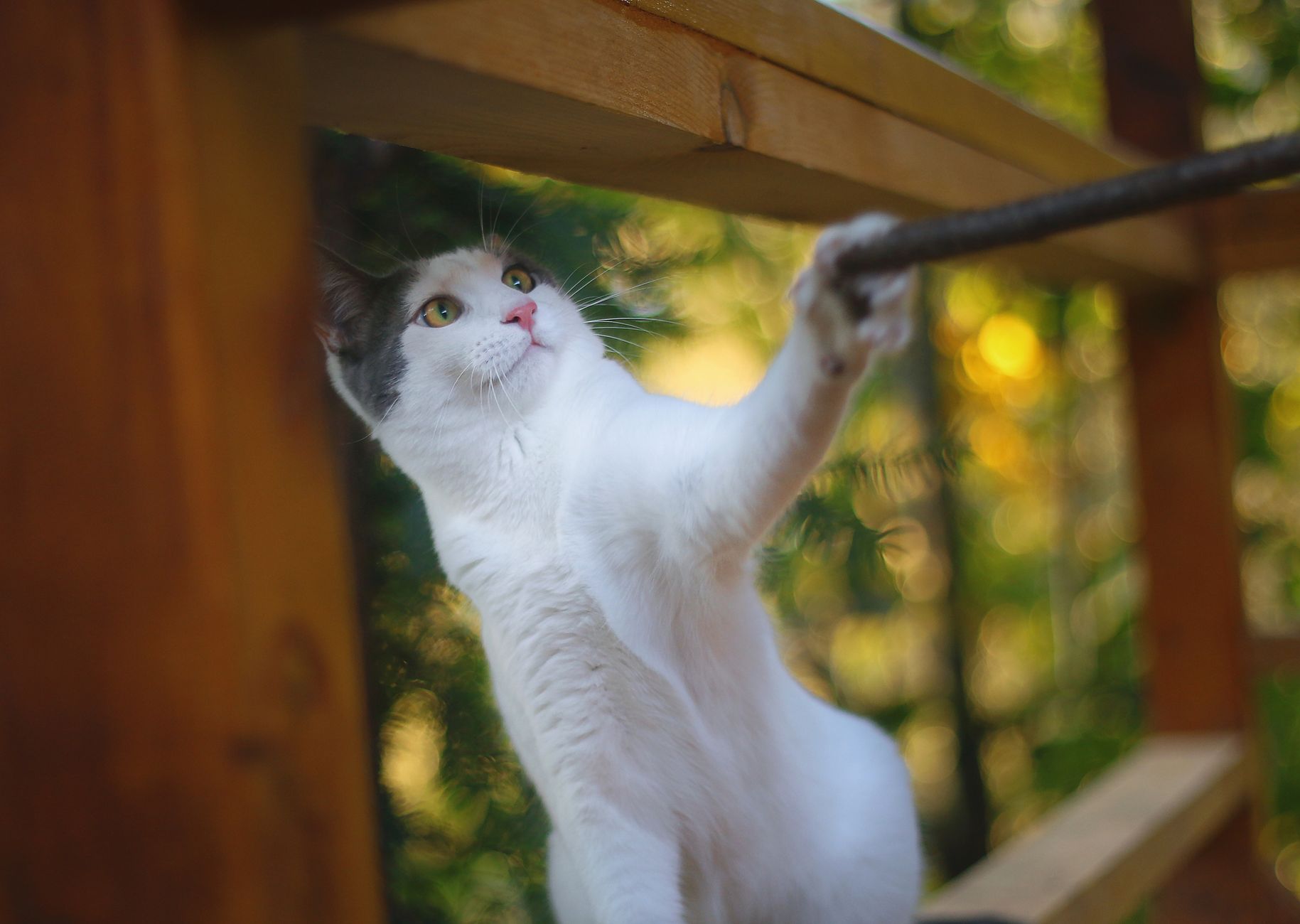
A catio — an enclosed outdoor patio for cats — keeps growing because it combines indoor safety with outdoor stimulation. It protects cats from traffic, predators, and disease while giving them sun, fresh air, and birdwatching. The Longmont Humane Society describes the idea as quickly becoming popular with owners seeking enrichment in 5 Reasons Why Cats Benefit from a Catio. Options range from small window boxes to walk-in backyard retreats.
Table of Contents
- Why keep the adventure contained?
- What does it do for birds?
- How did tours fuel the trend?
- How can you get one?
- What will a catio not fix alone?
Why keep the adventure contained?
The Roanoke Valley SPCA links longer life to staying inside in safe outdoor fun for indoor cats. It reports indoor cats can live up to three times longer than cats allowed outside. That group points to traffic, predators, harsh weather, and disease as key outdoor risks.
A screened patio removes most of those risks during outside time. For the cat, the payoff is direct. Warm air, moving scents, rustling leaves, and room to climb turn a dull afternoon into active play.
What does it do for birds?
Free-roaming cats kill about 2.4 billion birds yearly in the U.S., according to the Northern Virginia Bird Alliance in its report on cats and birds. That group, citing American Bird Conservancy data, calls cat predation the largest human-caused bird-mortality threat. American Bird Conservancy advises keeping pet cats indoors.
It lists supervised outside time in a catio, on a leash, in a stroller, backpack, or fenced area as happier options. A catio lets a cat watch birds without catching them. Owners get fewer injuries, fewer vet visits, and fewer prey animals brought home.
How did tours fuel the trend?
Portland started the catio-tour concept in 2013. HumanePro reports the effort came from the Feral Cat Coalition of Oregon and Portland Audubon's Cats Safe at Home program, with the annual tour drawing more than 1,400 attendees. The model then traveled.
Catio Spaces says it helped organize Seattle's first catio tour in 2015 after the 2013 Portland debut built with the same coalition partners. Tours work because visitors can enter real builds. They see sizes, materials, perches, and cat doors in use.
How can you get one?
The Feral Cat Coalition of Oregon lists Portland-area builders and low-cost DIY paths in its Catio Resources guide. Its resource points to DIY Catio Spaces plans from $39.95 with materials lists and step-by-step diagrams.
Start with placement and size: Hiring a local builder suits steep lots or house-attached designs. A kit or plan-built box suits renters and small budgets.
- pick a window, door, or wall that gives easy human and cat access
- match the footprint to your yard, patio, or balcony
- plan shade, water, and a high perch from the start
What will a catio not fix alone?
The Roanoke Valley SPCA warns a catio alone does not prevent boredom, stress, obesity, scratching, spraying, or vocalization. It cites Herron and Buffington 2010 and de Assis and Mills 2021 for that limit. Indoor care still matters.
Cats need daily play, climbing spots, scratching posts, puzzle feeders, and window perches. Treat the catio as one part of the routine. Add one sturdy shelf and one scratching surface before the first long outdoor nap.