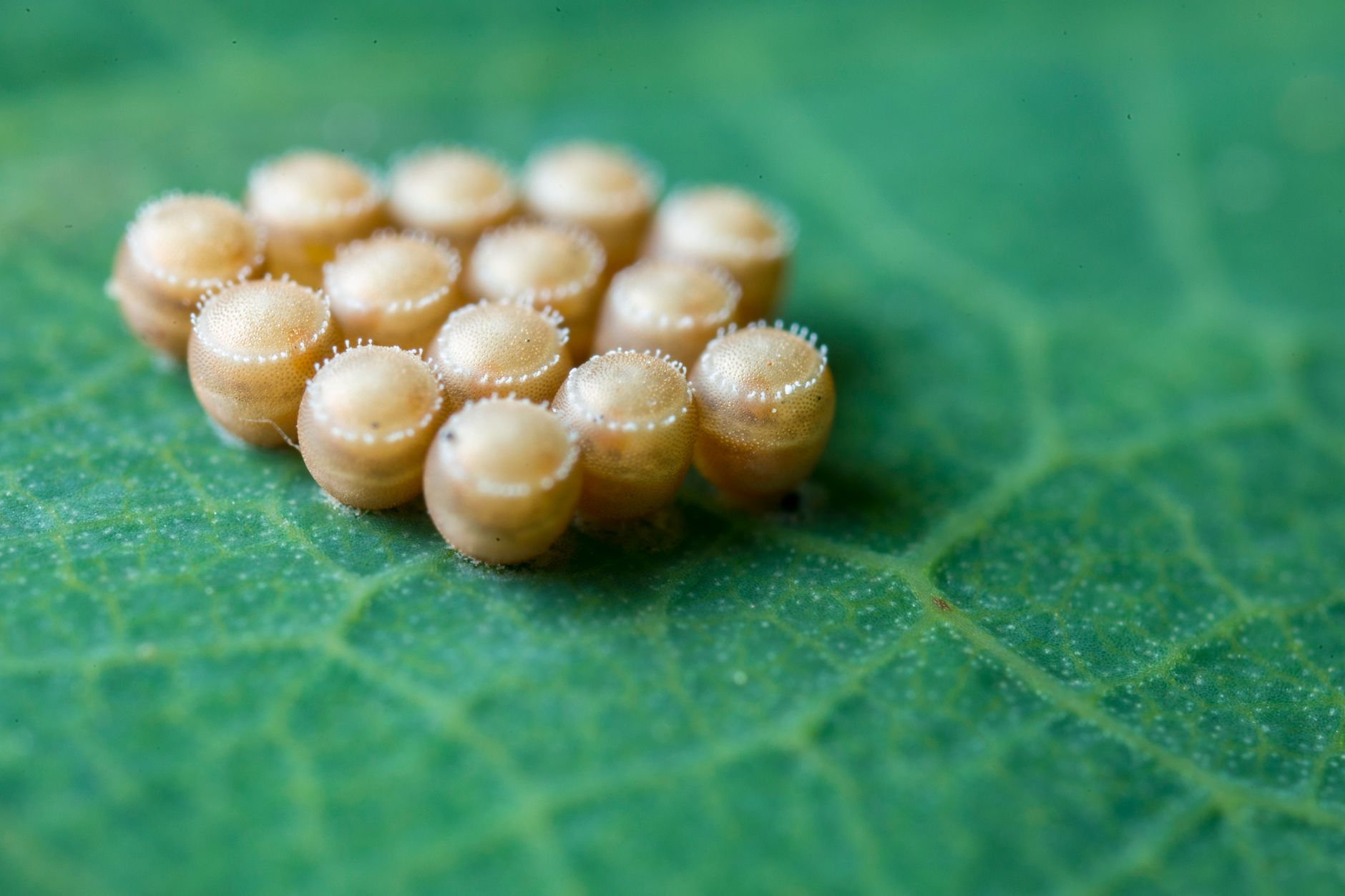
Wash cat bedding in hot, soapy water and dry it on high heat, vacuum sleeping areas daily, and keep cleaning through winter. Heated homes let fleas breed indoors even when outdoor cold stops outdoor fleas. Flea eggs are smooth, whitish grains laid on the cat that fall off easily into bedding and resting spots. The University of Maryland Extension reports they collect in pet bedding and frequented resting areas and hatch in 1 to 12 days, so bedding holds the next generation (University of Maryland flea guide).
Table of Contents
- Why winter does not stop bedding eggs
- What to wash and how often
- How to vacuum and steam around sleeping areas
- Why bedding cleaning alone is not enough
Why winter does not stop bedding eggs
Cold does not protect an indoor cat. In cold-winter regions fleas rarely survive outdoors in winter, so winter control must focus inside where heat sustains breeding.
Indoor resting spots stay warm, fed, and undisturbed. Female fleas lay many eggs on the host, and many fall into carpet, furniture, and pet bedding and hatch into larvae in about a week. A favorite blanket, radiator bed, or sofa cushion can therefore seed larvae all winter.
What to wash and how often
Gather every washable item the cat uses. That includes crate pads, blankets, removable bed covers, soft carriers, and family bedding the cat lies on.
The U.S. Environmental Protection Agency directs owners to wash all pet bedding and family bedding pets lie on in hot, soapy water every two to three weeks, and to discard heavily infested bedding (EPA guide to controlling fleas and ticks around your home).
- Wash in hot, soapy water every two to three weeks, more often during active infestation
- Dry on high heat where fabric allows
- Discard and replace heavily infested pet bedding rather than trying to save it
How to vacuum and steam around sleeping areas
Washing removes eggs from fabric, but eggs also sift into nearby carpet, cracks, and upholstery. Vacuum pet areas, under furniture and cushions, and along baseboard crevices. Empty the vacuum outside or seal debris in a bag. The U.S.
Environmental Protection Agency calls daily vacuuming the best method for initial control because it removes eggs, larvae, and adults from carpets, cushioned furniture, floor cracks, baseboards, and basements (EPA guide to controlling fleas and ticks around your home). Give special attention to places where pets sleep. For deeper cleaning, use carpet steam cleaning with soap and heat. Hot steam plus soap kills fleas in all life stages, with added care for pet sleeping zones. Let damp bedding and carpet dry fully before the cat returns.
Why bedding cleaning alone is not enough
A clean bed will be re-seeded if adult fleas remain on the cat. Cornell University College of Veterinary Medicine states flea control requires two actions together: ridding the cat of insects and clearing the environment, so bedding work alone does not end infestation (Cornell flea guidance for cats).
Ask a veterinarian for a cat-appropriate flea treatment and follow the full schedule. Keep washing and vacuuming for weeks to months, because pupae can wait many months before emerging as adults when conditions are unfavorable. Replace a worn bed that still sheds dust, fibers, or odor after hot washing and thorough vacuuming.