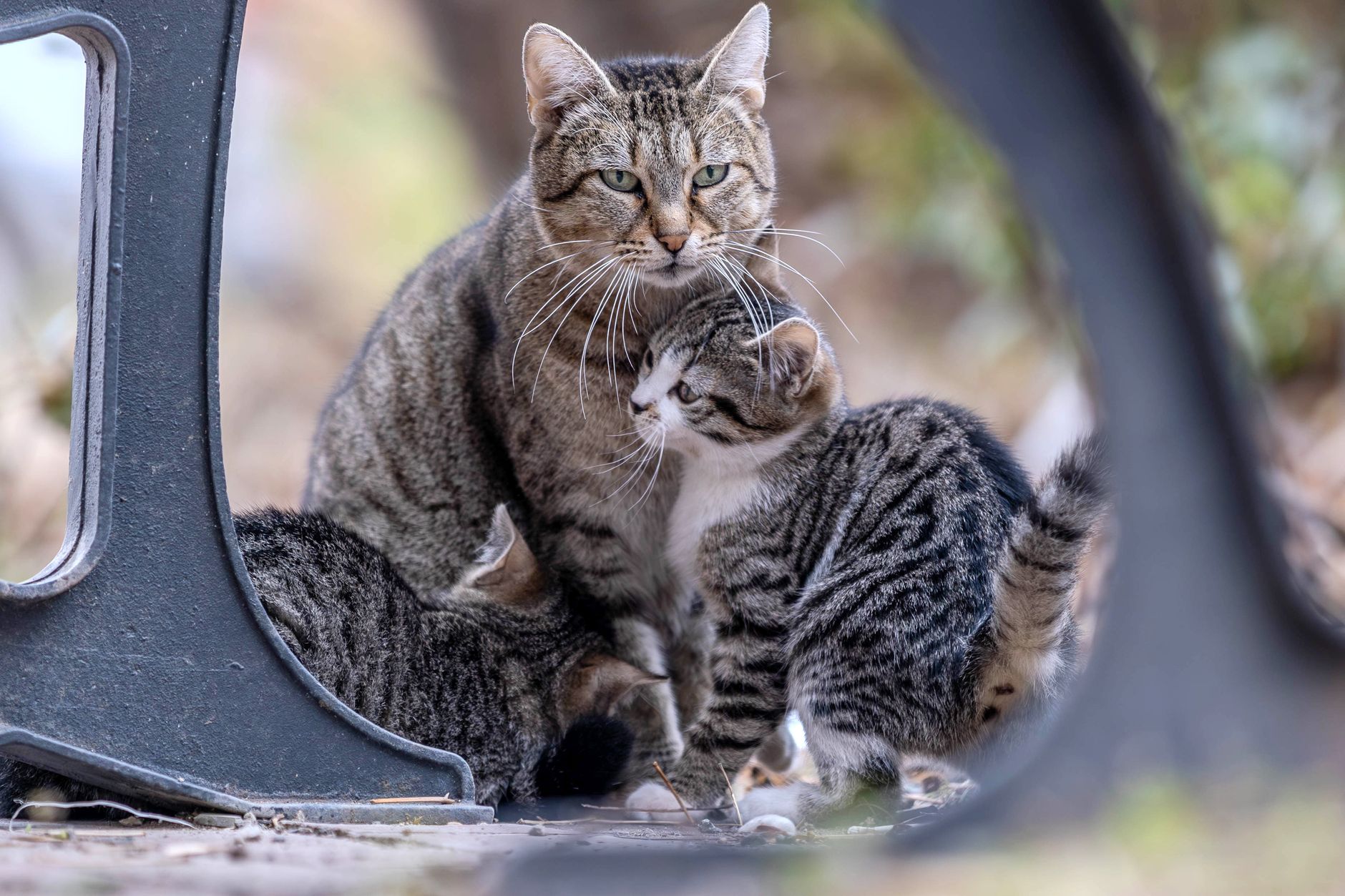
Yes, kittens can get flea treatment before 12 weeks old. Many kitten flea products are labeled for use starting at 8 weeks of age plus a minimum weight, so age alone does not bar treatment. Flea treatment means a product that kills fleas on the animal or prevents new infestations. The youngest labeled oral option works even earlier, while very young kittens need hands-on care instead of standard spot-on products.
Table of Contents
- Which options are labeled before 12 weeks?
- What age and weight limits apply?
- What helps kittens younger than 8 weeks?
- When do fleas become an emergency?
- What should you never use on kittens?
Which options are labeled before 12 weeks?
Several prescription and over-the-counter products start at 8 weeks. The Petful Veterinary Team reports that most kitten products begin at 8 weeks plus a weight minimum Petful's kitten flea guide. Prescription selamectin products are one example for this age group.
Revolution and Revolution Plus are approved for kittens 8 weeks and older, applied monthly for fleas plus other parasites. Topical nonprescription options also use the 8-week starting point. That makes the weeks between 8 and 12 a normal treatment window when the kitten meets the listed weight.
What age and weight limits apply?
Always check both age and weight because both must be met. An 8-week-old kitten that is underweight still does not qualify for products with a weight cutoff.
Weigh the kitten on a kitchen or baby scale before dosing. A small difference matters because many kittens near 8 weeks sit close to the minimum.
- Capstar tablets: kittens at least 4 weeks old and at least 2 pounds, for short-term adult-flea kill only
- Cheristin topical: cats and kittens 8 weeks or older and at least 1.8 pounds
- Advantage II Kitten topical: kittens at least 8 weeks old and 2 to 5 pounds
- Revolution Plus: kittens 8 weeks and older and at least 2.8 pounds
What helps kittens younger than 8 weeks?
For kittens under 8 weeks, veterinarians and rescue guidance favor mechanical removal. According to Kitten Lady, use a warm bath with mild dish soap, a fine-toothed flea comb, thorough drying, and clean bedding Kitten Lady's flea guide for kittens. Do not use flea shampoo, over-the-counter topicals, sprays, or collars unless a veterinarian directs otherwise.
Mild dish soap helps drown fleas during the bath without adding pesticide exposure. Work quickly and keep the kitten warm. Wash bedding in hot water, dry the kitten fully to prevent chilling, and repeat combing to catch newly hatched fleas.
When do fleas become an emergency?
Heavy fleas can drain enough blood to cause severe anemia in small kittens. Cornell University College of Veterinary Medicine warns that pale or white gums signal urgent veterinary care Cornell's feline flea health information. Watch for weakness, cold limbs, poor nursing, rapid breathing, or many fleas with dark flea dirt.
These signs point to blood loss, not a mild itch. Do not wait to finish a bath routine when gums look pale. Seek same-day veterinary care because small kittens can decline fast from anemia.
What should you never use on kittens?
Never apply dog flea products to kittens. Many dog products contain permethrin, which can cause tremors, seizures, and death in cats. Read the entire kitten label before opening the package.
Confirm the exact minimum age, minimum weight, dose, application site, and repeat interval. When details are unclear, ask a veterinarian before treating. Bring the product box, the kitten's current weight, and an estimated age to the visit.