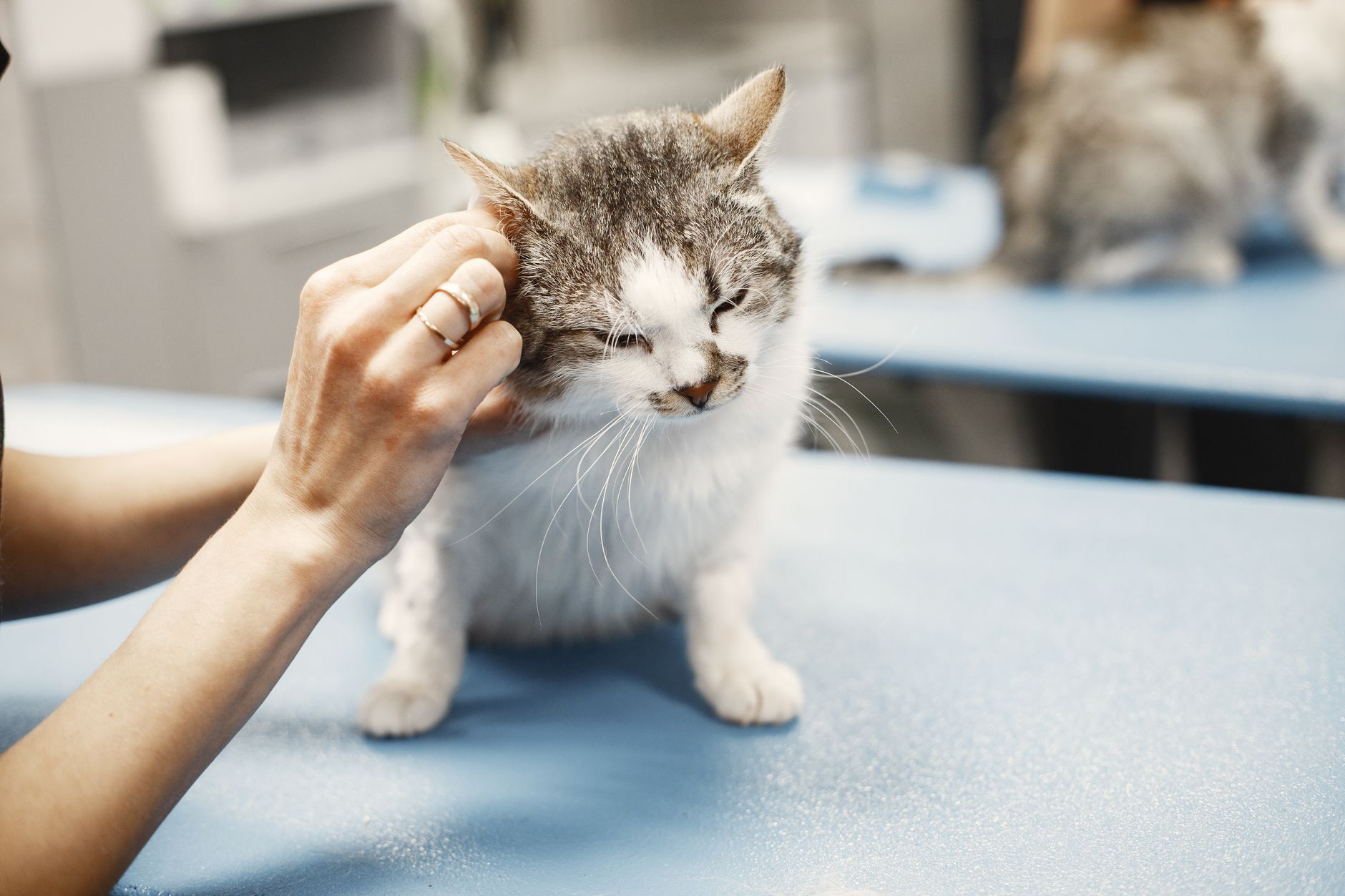
Vets diagnose flea allergy dermatitis in cats from flea history, itch pattern, skin lesions, and fleas or flea dirt. Flea allergy dermatitis is an allergic reaction to flea saliva that triggers intense itching. According to the MSD Veterinary Manual, that initial assessment rests on flea-control history, characteristic signs, and flea evidence found on the cat or in its environment MSD's professional guide to flea allergy dermatitis. Cornell University College of Veterinary Medicine describes confirmation through medical history and physical examination, with possible skin testing, followed by flea elimination and medication if needed Cornell's feline flea allergy guide.
Table of Contents
- What pattern makes vets suspect it?
- How does the flea comb check work?
- Why can clear fur still mean flea allergy?
- When are skin or blood tests used?
What pattern makes vets suspect it?
The MSD Veterinary Manual describes itching with papular dermatitis. Papules are small, raised bumps that feel rough under the fur. Affected cats often scratch or overgroom the face, neck, back, tailhead, and groin.
Crusts and hair loss may appear in those areas. The tail base and back are especially telling locations. This pattern matters because scratching spreads damage beyond the bite site. A cat may create sores, scabs, and thin patches by licking the same spots.
How does the flea comb check work?
Vets use a fine flea comb to trap live fleas and black-speck flea dirt. Great Pet Care explains that wetting the dirt produces a reddish-brown stain because the specks are digested blood.
That color change confirms flea presence. It separates flea dirt from ordinary dust or dandruff. A useful check follows these steps:.
- Comb around the neck, back, tailhead, and groin over white paper.
- Look for moving fleas and pepper-like black specks.
- Wet the specks and watch for a reddish-brown halo.
- Check bedding and housemate pets for the same signs.
Why can clear fur still mean flea allergy?
A cat with no visible fleas can still have flea allergy. Cats groom thoroughly and may remove the evidence. VCA Animal Hospitals notes that even one or two fleas can cause severe signs, leaving no visible fleas or dirt behind VCA's guide to flea allergy in cats.
A clean comb therefore does not rule it out. This is why history matters as much as the present exam. Missed prevention, seasonal exposure, and other pets in the home keep suspicion high.
When are skin or blood tests used?
Specialists may inject a small amount of flea-saliva allergen into the skin. The MSD Veterinary Manual reports that a wheal 3-5 mm larger than the negative control supports flea allergy dermatitis. Blood serology can also help.
It measures IgE against flea-specific salivary antigens, especially when other skin diseases look similar. Test results have limits in cats. The MSD Veterinary Manual and PetMD guidance point to variable skin-test reliability, so vets also rule out mites, infection, and food allergy with skin scrapings, cytology, and response to strict flea control of the cat, housemate pets, and environment.