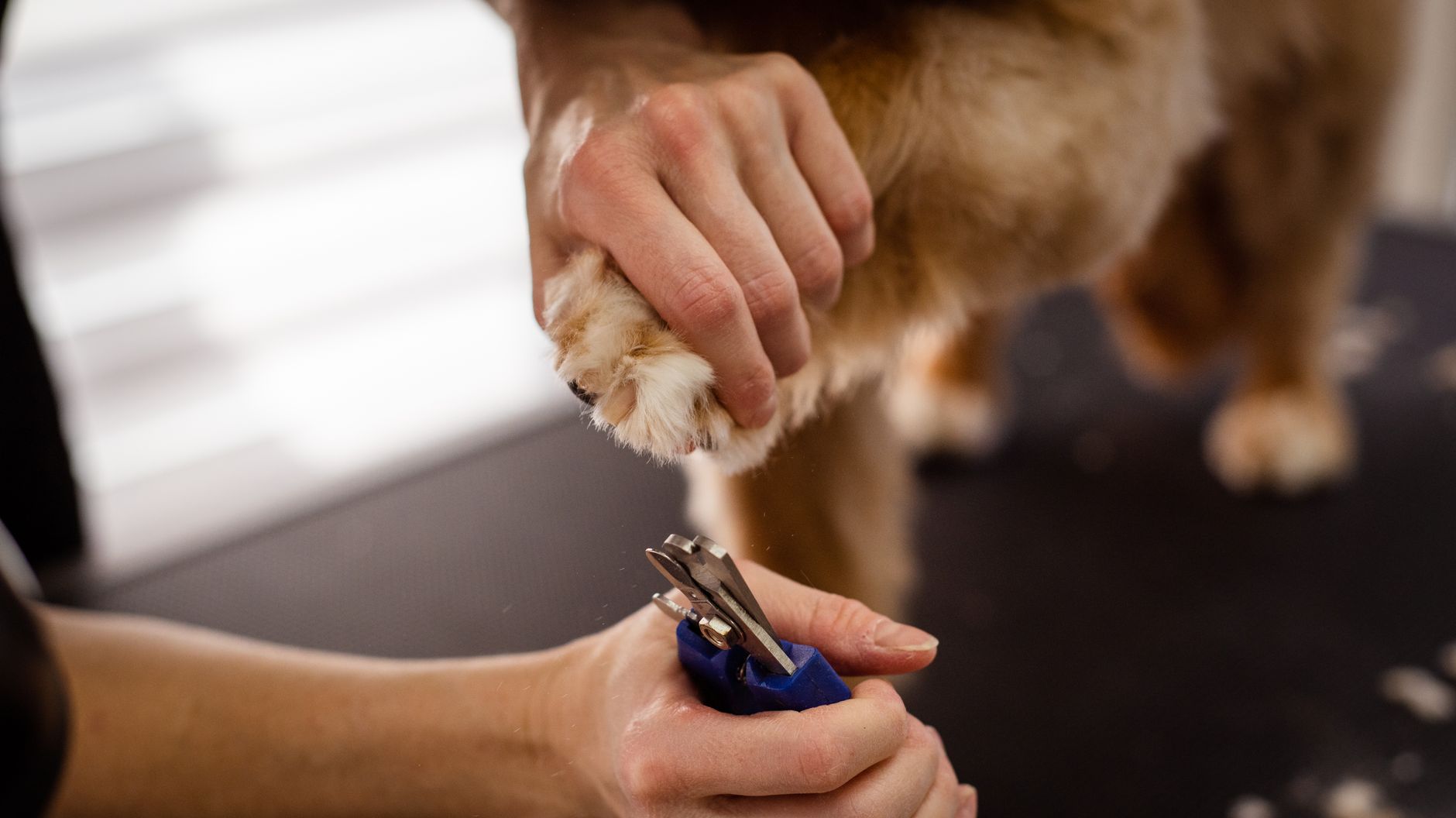
Yes, nail trimming reduces scratching damage and can reduce how often and how hard cats scratch when claws stay short. It does not stop scratching.
Scratching behavior — clawing to shed worn nail layers, stretch, and leave marks — is normal and persistent. Trimming keeps claws short and blunt, so furniture, drapes, and carpet take less damage. Trimmed cats still need acceptable outlets for marking, stretching, and shedding claw layers.
Table of Contents
- Why scratching continues after a trim
- What trimming can and cannot do
- How to keep trimming low-stress
- Where to direct scratching instead
- Why senior cats need closer nail checks
Why scratching continues after a trim
Harbor Pines Veterinary Center explains cats scratch to condition front claws by shedding worn outer layers. They also stretch their bodies, deposit paw scent, leave visual territorial marks, and release stress or excess energy.
The ASPCA describes scratching as normal during play, stretching, and territory marking. The action removes frayed outer claws and exposes sharper new claws underneath.
What trimming can and cannot do
Harbor Pines Veterinary Center reports regular trimming can reduce scratching frequency and intensity when claws stay short trimming and scratching frequency. Cornell University College of Veterinary Medicine frames regular trimming as damage reduction for furniture, drapes, and carpeting, used alongside posts, deterrents, and glue-on caps destructive-scratching guidance.
Ohio State University Pets 4 Life and the ASPCA note marking, stretching, and claw-shedding instincts persist after a trim. Trimmed cats still need acceptable scratching outlets.
How to keep trimming low-stress
The ASPCA advises trimming cat nails every week weekly trimming guidance. Cut only one or two nails at a time, and pair each step with treats or play to keep stress low.
Short sessions protect trust better than long sessions. A calm routine helps cats accept handling during future trims.
Where to direct scratching instead
The ASPCA recommends teaching where to scratch rather than trying to stop scratching. Offer varied upright, angled, and flat scratchers with different surfaces.
ASPCA Pet Health Insurance notes scratching posts help file claws but do not replace trimming. Owners must still cut nails as necessary.
- upright post for a full-body stretch
- angled board for a lower stretch
- flat mat for cats that scratch floors
Why senior cats need closer nail checks
Cornell University College of Veterinary Medicine advises checking senior cats' nails weekly and trimming when necessary. Older cats use scratching posts less, so nails can overgrow.
Less post use means less natural filing. Check nails weekly and trim when they look long, curved, or likely to snag.