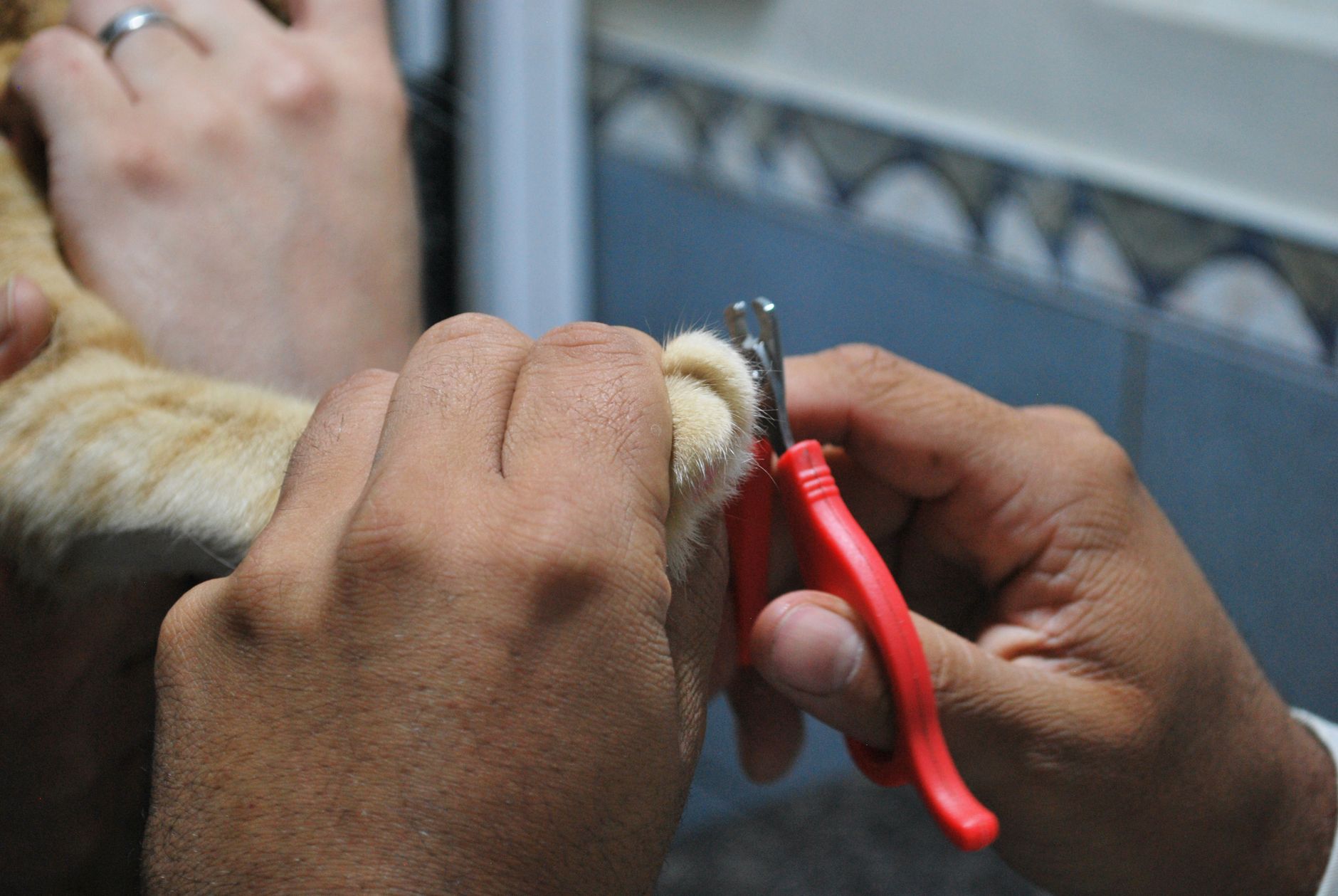
Yes. Soft nail caps can prevent scratching damage.
Soft nail caps are vinyl covers glued onto a cat's existing nails that blunt the tips, so normal scratching leaves furniture unmarked. They suit indoor cats whose owners want to protect couches, curtains, and woodwork while the cat keeps scratching and stretching. They are not a fit for every cat, and they need regular upkeep.
Table of Contents
- How Nail Caps Stop Scratches
- Do Cats Stay Comfortable and Mobile?
- How Long Do Caps Last?
- Who Should Skip Them?
How Nail Caps Stop Scratches
Caps cover each claw with a smooth, blunt shell. The cat can still paw, knead, and stretch against a post or sofa arm.
The sharp tip never contacts the fabric. Soft Paws official Q&A explains that the caps glue onto existing nails and dull the points while normal motion continues, as described in the Soft Paws Q&A. Best Friends Veterinary Center gives the same account, noting coverage for front claws and hind-claw marks from jumping on furniture, as detailed in the Best Friends Veterinary Center library article.
Do Cats Stay Comfortable and Mobile?
Most indoor cats adjust quickly and move normally with caps on. Licensed-vet reviewed guidance says caps allow normal extension and retraction and typically do not impair balance, walking, jumping, or stretching.
Best Friends Veterinary Center describes the caps as safe, painless, non-toxic, and humane for cats of all ages. Some cats notice them at first, chew, or need a short adjustment period before ignoring them.
How Long Do Caps Last?
Applied caps usually stay on about 4-6 weeks, then shed as the nail grows. One 40-cap kit lasts one cat about 4-6 months.
That cycle makes caps a repeat task rather than a one-time fix. Plan for steady upkeep:.
- Choose the correct cap size for each nail.
- Check nails often for loose, chewed, or missing caps.
- Replace shed caps every 4-6 weeks.
- Keep a scratching post available so scratching has a good outlet.
Who Should Skip Them?
Keep caps for indoor-only cats. Outdoor-going cats need sharp claws for climbing and defense.
A Harbor Humane Society handout warns that blunted claws impair climbing and defense outside, as explained in the Harbor Humane Society declawing-alternatives handout. If a cat goes outdoors, use posts, trimming, deterrents, and training instead. Check fit and placement before leaving caps on an active kitten.