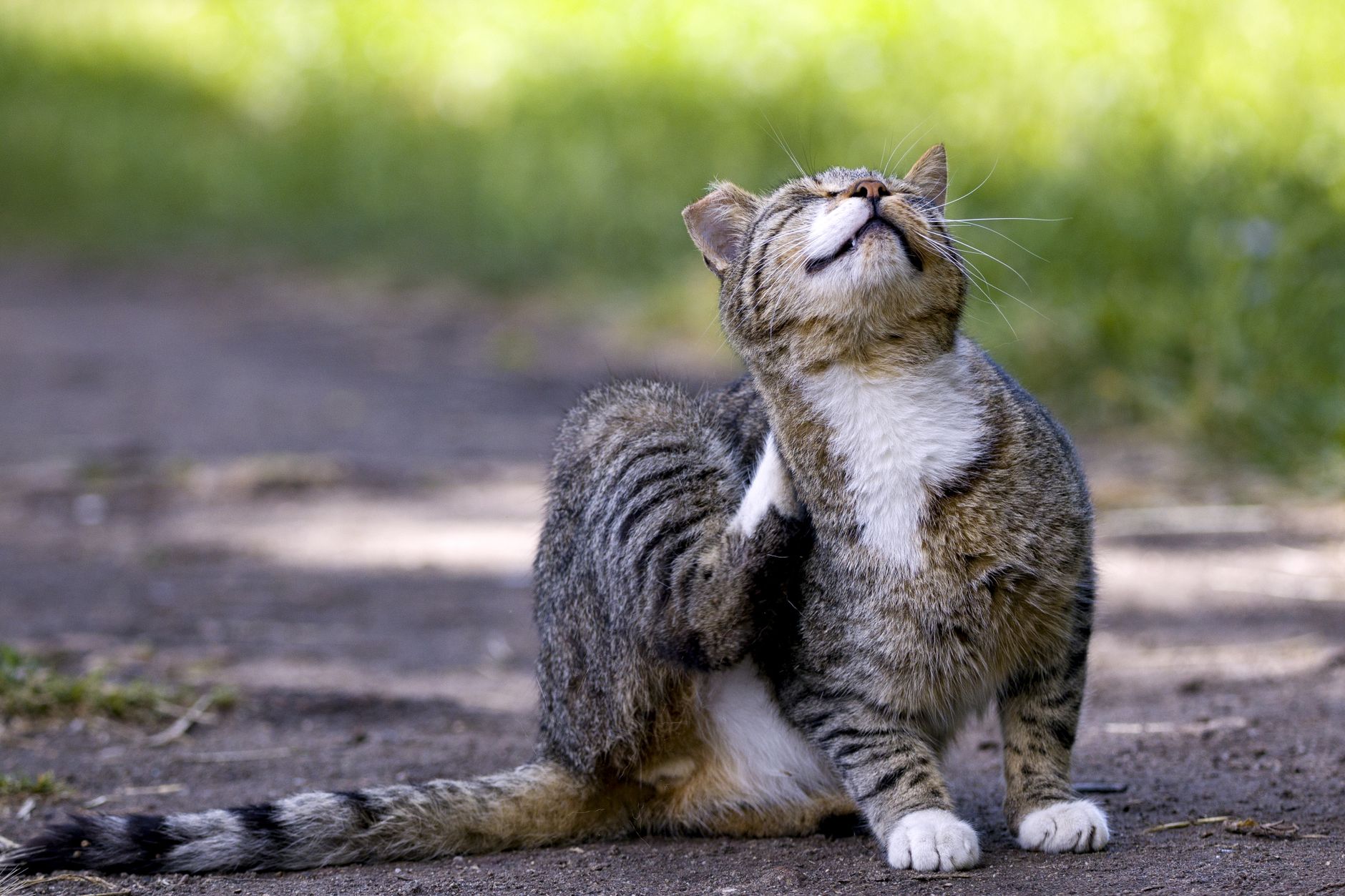
A multi-cat home needs one scratching post per cat plus one extra. Two cats need three posts, and three cats need four. A scratching post is a sturdy, cat-safe surface for claw care, stretching, and scent marking. Spreading enough posts around the home gives each cat choice and reduces conflict over one favored spot.
Table of Contents
- Why one per cat plus one extra?
- Where should posts go?
- What size and type work best?
- When should you add more?
Why one per cat plus one extra?
Cats do not always share preferred resting and marking places. An extra post gives a second choice when another cat occupies the favorite. International Cat Care recommends one post per cat plus one extra for choice, placed in different locations, in its scratching guidance.
That starting count helps two cats avoid queuing at one post. The same approach is echoed for Australia, where the Australian Veterinary Association advises one piece of scratching furniture per cat plus an extra. Treat the total as a minimum, not a ceiling for large or active groups.
Where should posts go?
Spread resources around the home rather than grouping them together. Clustered posts can be guarded by one cat and create tension.
Put posts in places cats already use. Good spots include near sleep areas, beside doorways, near windows, and next to furniture they have scratched before. Use this quick placement check:.
- one post in the main living area where cats spend time
- one post near each major sleep spot or cat rest area
- one post near a doorway, hallway, or room entrance
- one post beside any sofa, chair, or carpet already scratched
What size and type work best?
Choose tall, stable posts that allow a full upward stretch without tipping. Indoor cats especially benefit from usable posts in prominent areas they naturally patrol. Cornell University College of Veterinary Medicine states posts must be sturdy and tall enough for a full hind-leg stretch in its destructive behavior guidance.
Match material and direction to each cat, since some prefer upright sisal and others prefer horizontal carpet or cardboard. A large UC Davis owner survey found cats used their preferred surface more on simple upright posts or multi-level trees at least 3 feet high, reported in this scratching preference study. Rope was most used when offered, while carpet was offered most often.
When should you add more?
Add another surface when cats wait, argue, or return to furniture. Watch for scratched chair arms, carpet near doors, queuing, staring, blocking, or one cat avoiding a room. Offer both vertical and horizontal choices.
A tall upright post suits stretching cats, while a low board or mat suits cats that scratch rugs and floors. The "N plus one" number is expert consensus rather than a tested exact dose. Treat it as a starting point, then add varied surfaces near sleep spots, doorways, and previously scratched furniture until scratching settles on approved posts.