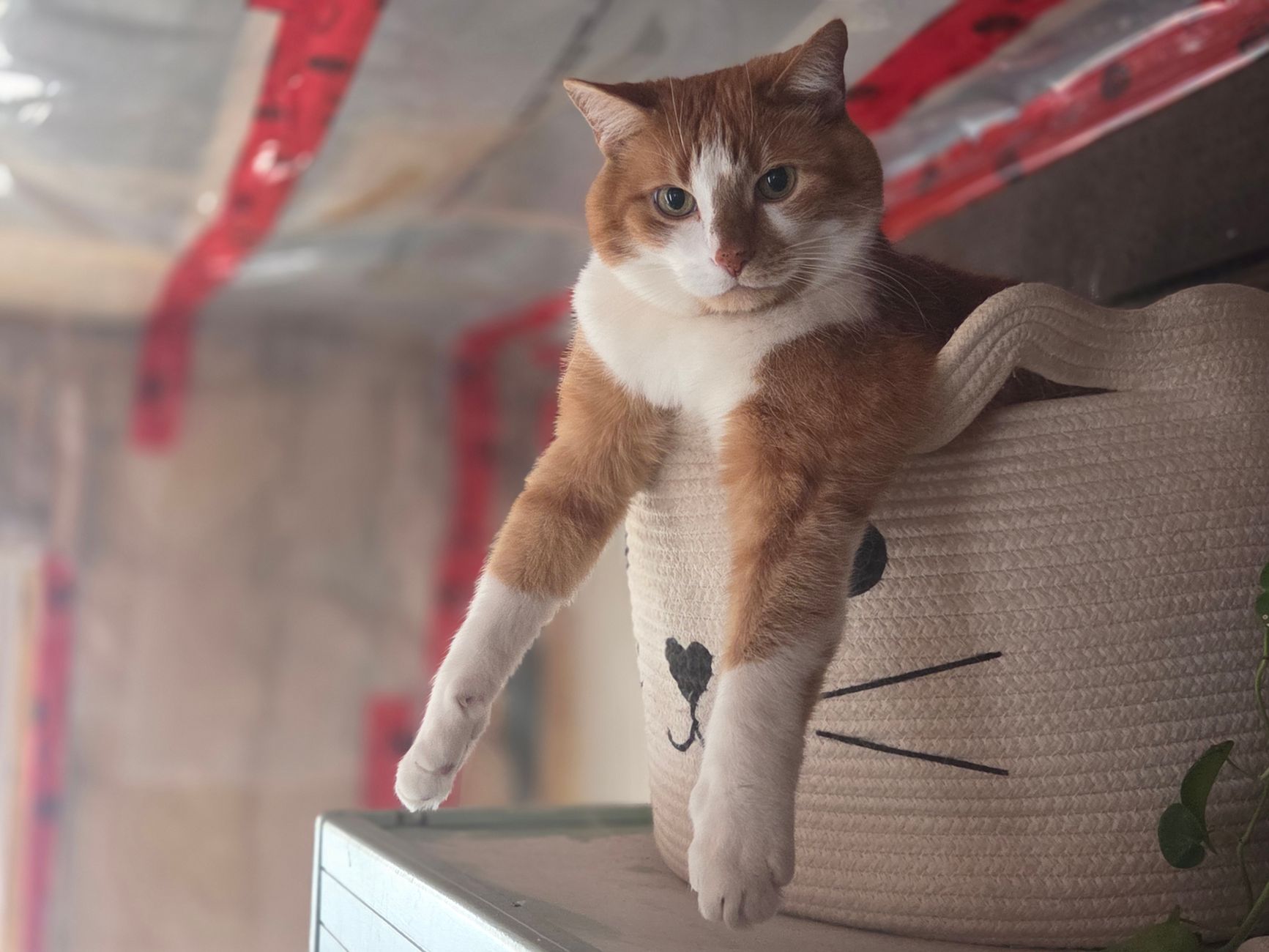
Vets recommend a sturdy hard-sided carrier with front and top openings for checkups. The top should lift off and the shell should split in the middle, so a fearful cat can stay in the bottom during the exam. A hard-sided carrier is a rigid plastic box with ventilation slots, a locking door, and a removable lid. The American Association of Feline Practitioners advises this inexpensive style because it gives staff safe access without dragging the cat out head-first through a small door feline-friendly practice proceedings.
Table of Contents
- Why the removable top matters
- What features to check before you buy
- Can you use soft or cardboard carriers?
- How do you set up a calmer checkup?
Why the removable top matters
A top door plus a lift-off lid changes how the visit goes. Staff can examine many cats while they rest in the carrier base.
That avoids pulling, scruffing, or tipping the cat out. A stable base also helps the cat feel hidden and braced. One veterinary clinic says it prefers this design because the bottom gives a steady surface and lets the exam happen where the cat already sits clinic guide to less-stressful vet visits.
What features to check before you buy
Look for strength, light weight, and easy cleaning. VCA Animal Hospitals describes the ideal carrier as strong, lightweight, waterproof, with a large opening and an easy-to-remove top with quick-release fasteners guide to reducing stress of veterinary visits. Use this quick check in the store:.
- front door opens wide enough for the cat to walk in
- top door opens wide and lid lifts off fast
- sides feel rigid and vents give steady airflow
- latches lock firmly and wash clean after accidents
Can you use soft or cardboard carriers?
For most cats, vets favor a sturdy, well-ventilated hard shell over cardboard. Cardboard boxes work for one-way shelter transport, but they tear, absorb urine, and give little crash protection.
Soft-sided carriers are lighter and easier to carry. They can work for a calm, small cat if the sides stay upright and the top opens wide, but they protect less in a car and clean poorly after sickness or toileting.
How do you set up a calmer checkup?
Give each cat its own carrier and never let a cat ride loose in the car. Riding together can backfire because fear in one cat can trigger redirected aggression toward the other. Make the box part of home life before the visit:.
- leave it out open with familiar bedding and treats inside
- spray synthetic feline pheromone inside about 30 minutes before travel
- drape a light blanket over it in the car and waiting room
- place it on a steady seat and drive smoothly