Hard or Soft Cat Carriers: Which Suits Your Cat

Match your carrier to vet visits, flights, and cleanup needs to keep your cat calm and secure.
Cat Health, Behavior and Care Guides
Cat carriers, crates, and transport
Match your carrier to vet visits, flights, and cleanup needs to keep your cat calm and secure.
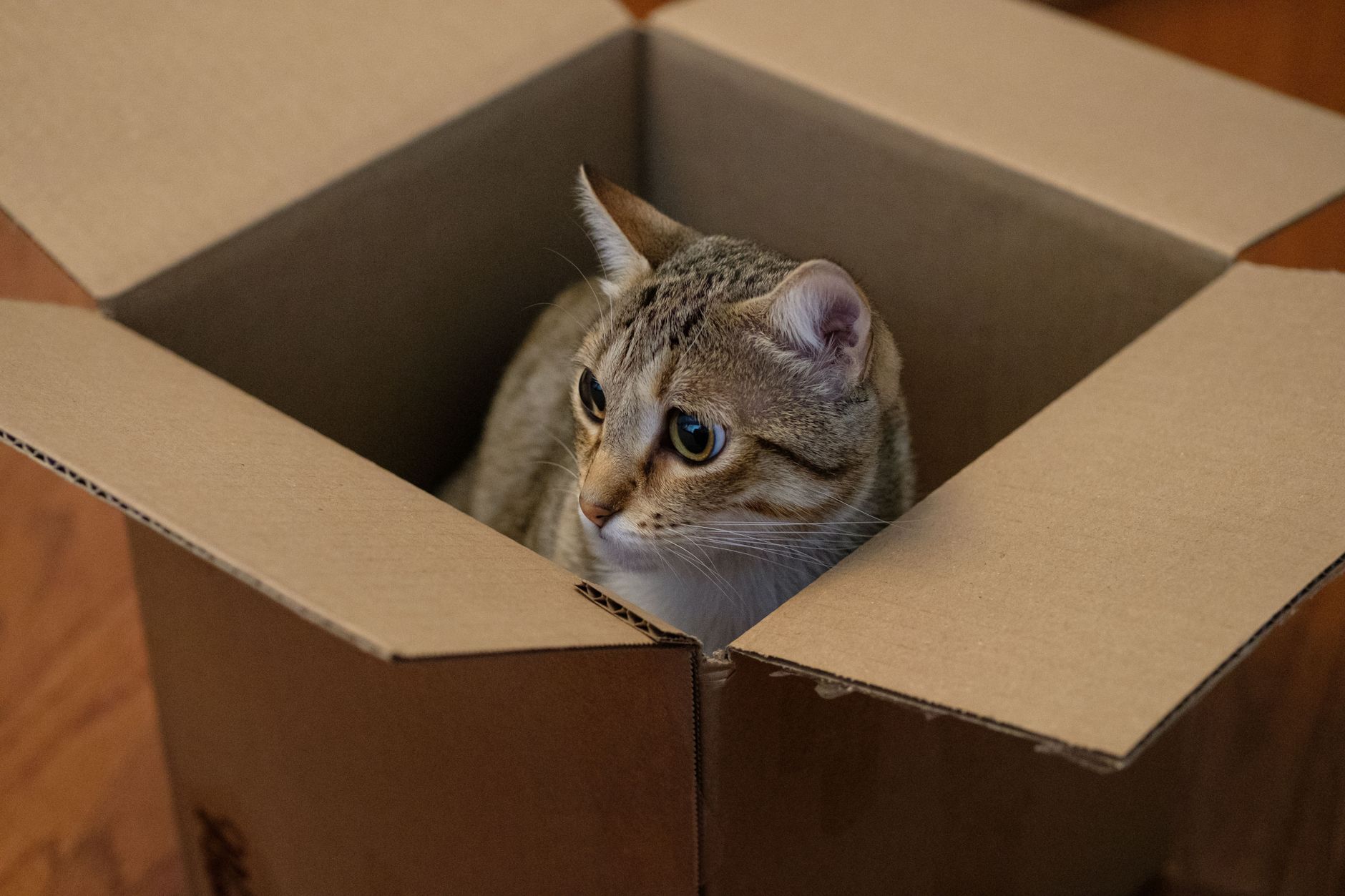
Pick a secure, right-sized carrier and train at home so flights, car rides and vet visits stay calmer.
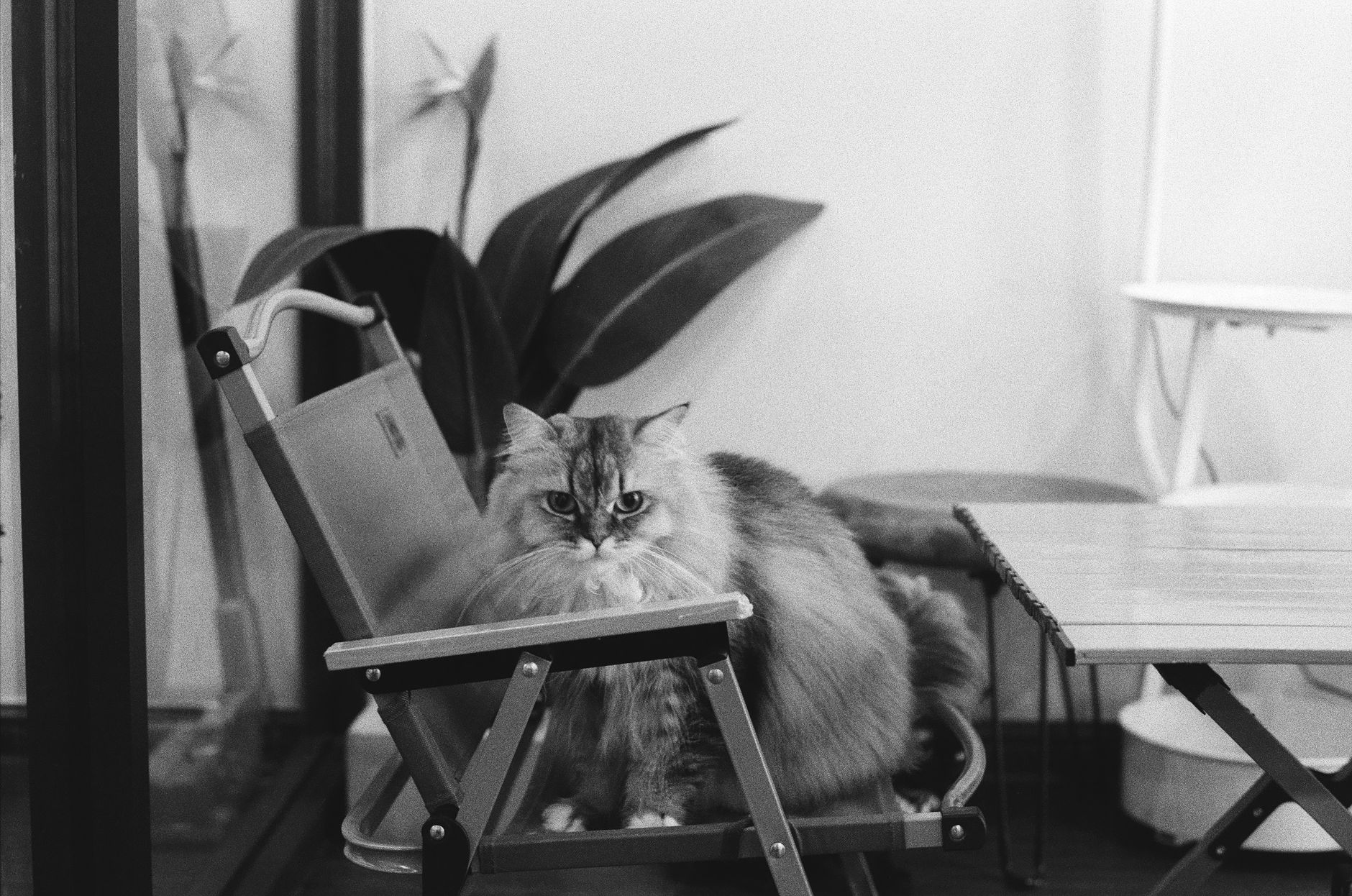
Check the exact carrier model against crash-test lists, vet sizing rules, and airline fit before you buy.

Choose a carrier that fits your plane, get your cat through TSA screening safely, and turn the carrier into a calmer space for vet visits.
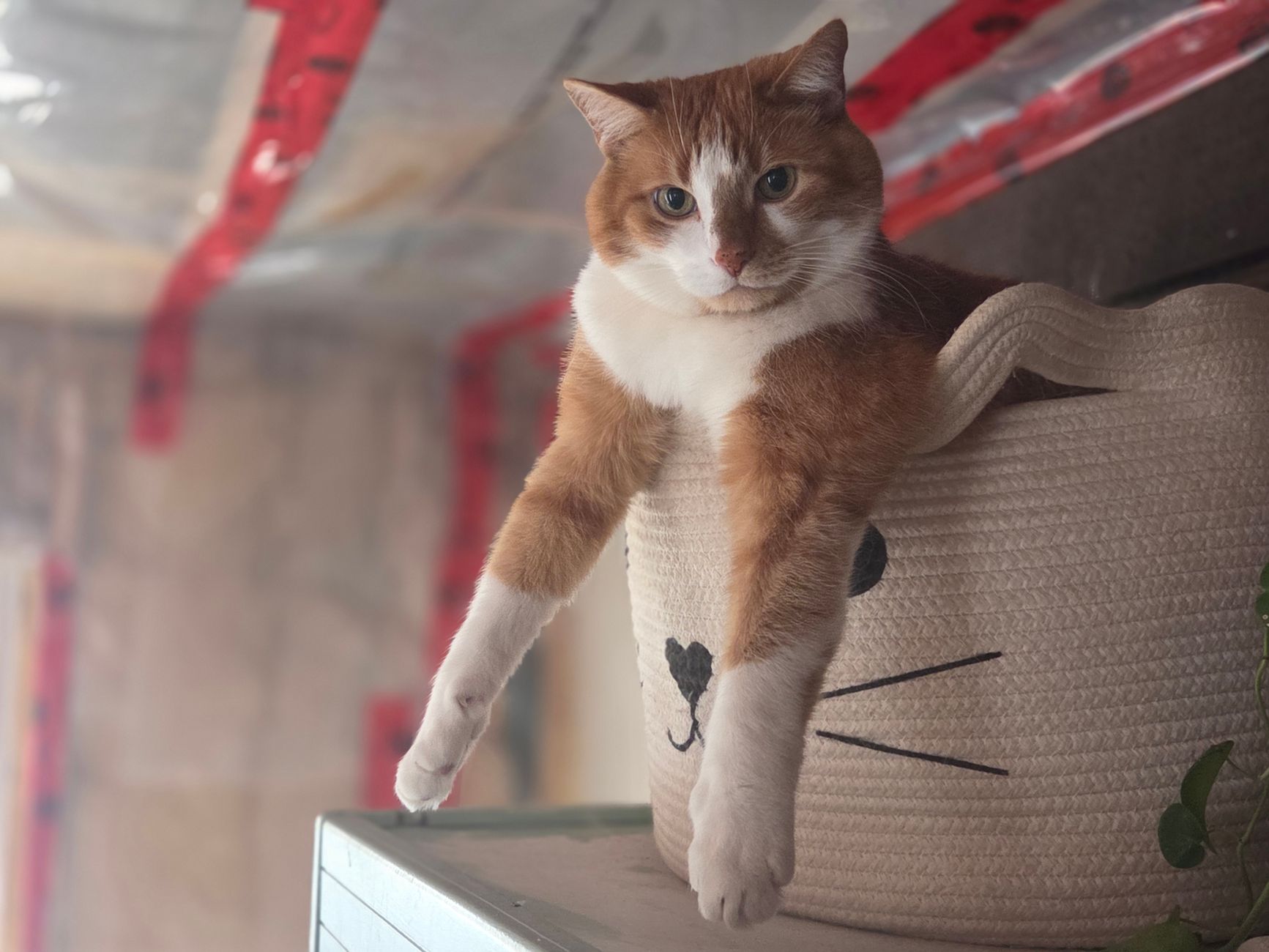
Pick a carrier with a removable top, check its crash certification, and learn which signs of travel stress need a vet the same day.

Learn why your cat hides from the carrier and how gradual training, familiar items, and safer travel can reduce fear.
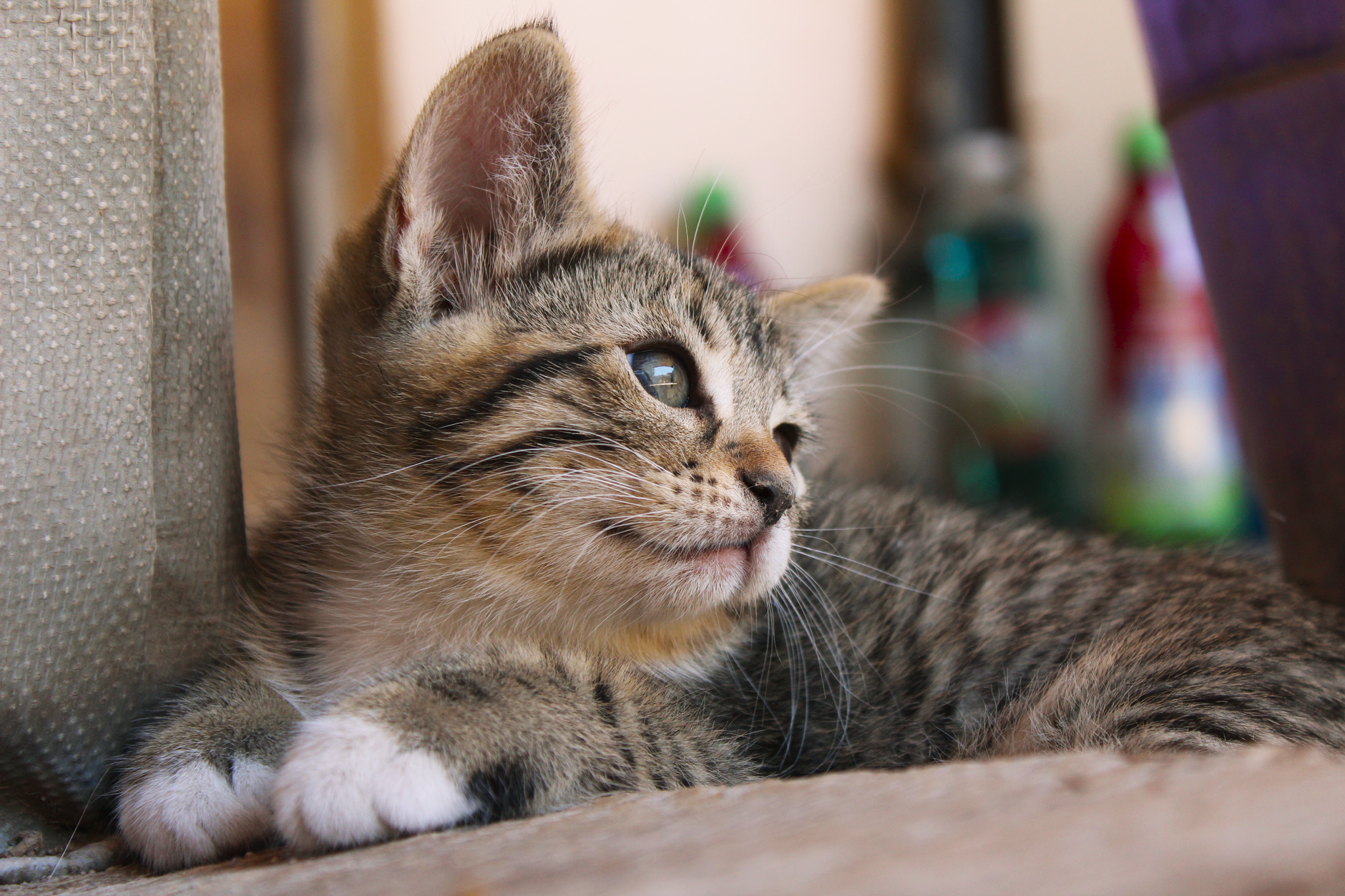
Learn how current veterinary guidance changes carrier placement, buying checks, training, and help for fearful cats.
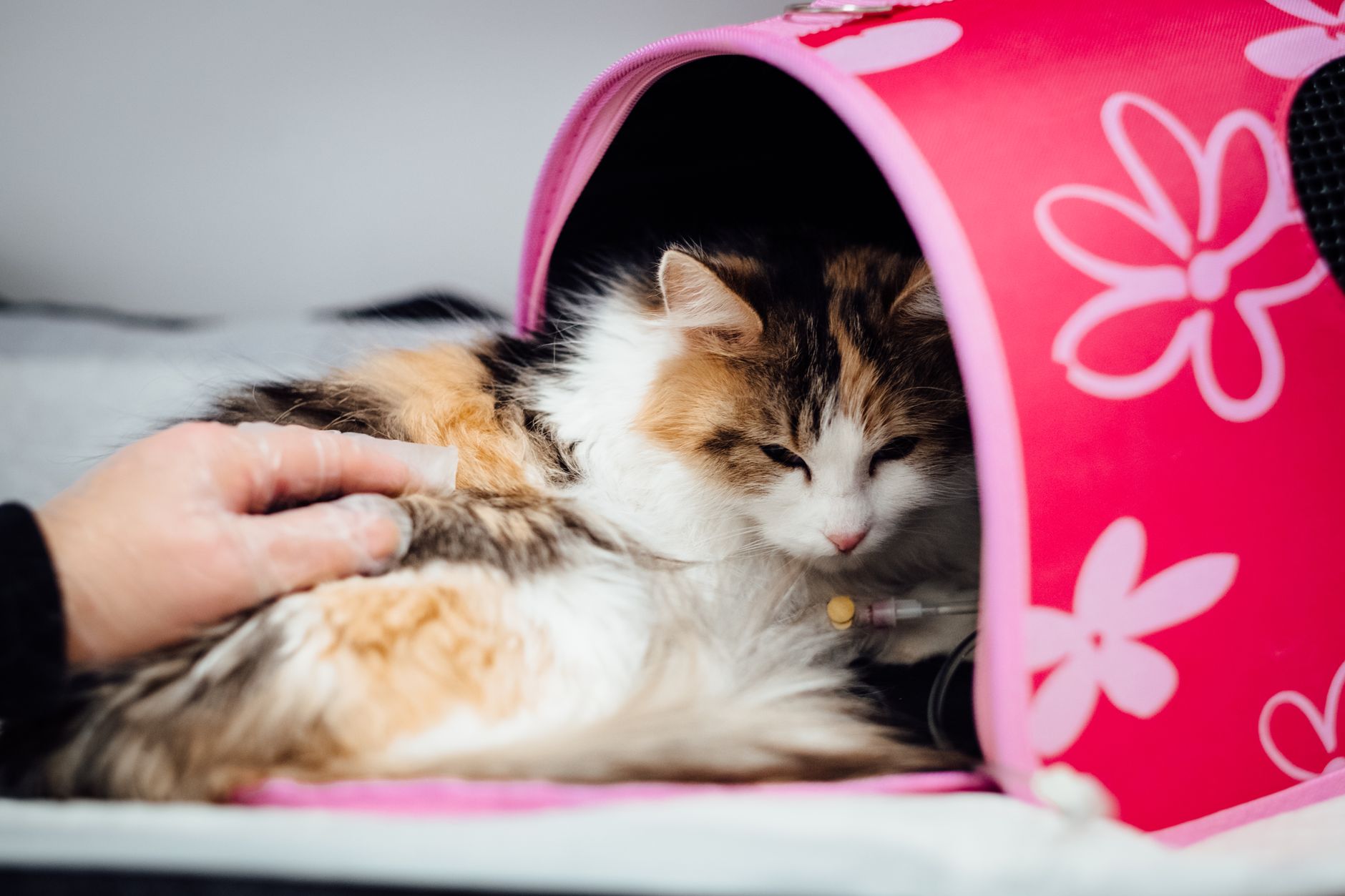
Learn which carrier claims matter for car trips, vet visits, flights, and airport screening before you buy.
Start with 7–14 days of open-carrier habituation using treats, then combine Feliway spray, top-loading carriers, or gabapentin for resistant cats.

Cats can safely stay in carriers for limited periods, typically 2-4 hours, but extended periods of several hours or more can cause significant physical…