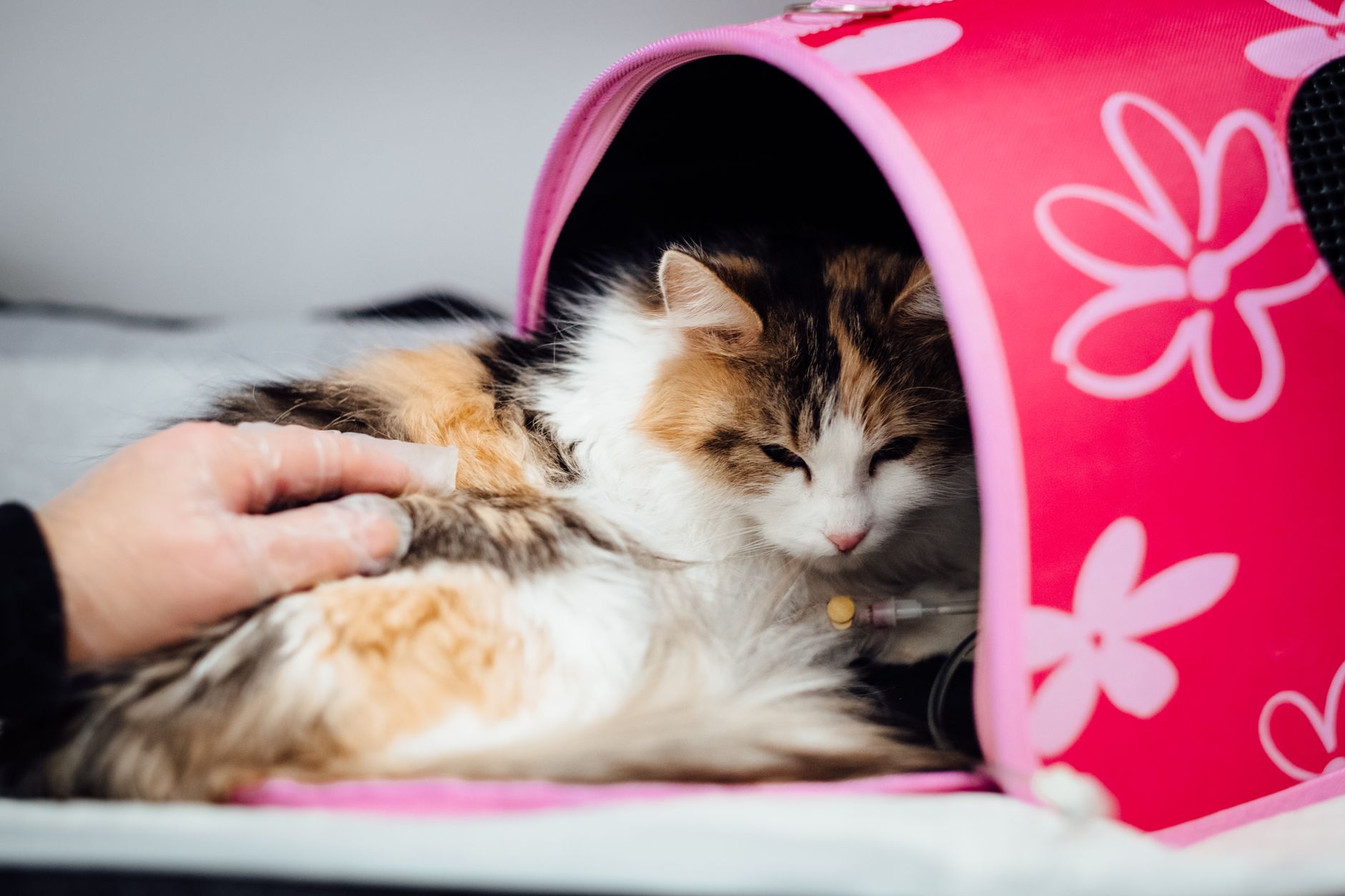
Standard soft-sided cat carriers cost $20–$30 at budget retail, while entry-level hard-sided plastic carriers cost $25–$50. Premium hard-sided carriers run $80–$250. Soft-sided means fabric walls over a flexible frame, while hard-sided means a rigid plastic shell. The right choice depends on vet visits, car travel, or airline travel, plus cleaning and storage needs.
Table of Contents
- What do everyday carriers cost?
- What raises the price for flights?
- Which type fits your routine?
- What airline limits change the total?
What do everyday carriers cost?
According to Animal Passport, standard soft-sided carriers cluster at $20–$30 and entry-level hard-sided carriers cluster at $25–$50, with premium hard-sided models reaching $80–$250 budget carrier price overview. That gap reflects materials and structure, not size alone. A simple fabric carrier costs less than a rigid carrier with latches and a removable top.
For one cat and short car or vet trips, a basic model usually works. Buy for secure closures, solid ventilation, and a flat washable base. Replace a carrier with cracked plastic, bent frame parts, or failing zippers.
What raises the price for flights?
According to the 2026 AirPaws guide, the mainstream soft-sided airline pick Sherpa Original Deluxe costs about $70 and uses a spring-wire frame to compress under seats airline-approved carrier guide. That flexible shape helps in tight under-seat space. Rigid carriers cannot squeeze down the same way.
Crash-tested and frequent-travel designs cost far more than basic soft carriers. Extra cost buys stronger frames, airline-oriented dimensions, and testing, not just fabric. Choose this tier only for regular cabin travel.
Which type fits your routine?
According to Animal Passport, soft-sided carriers are lightweight and machine-washable but not scratch- or chew-proof, while hard-sided carriers are sturdy and easy to disinfect but bulkier and heavier budget carrier price overview. Cats that push, chew, or scratch may force fabric and zippers.
Cats that urinate, vomit, or panic are faster to wipe down in plastic. Match the carrier to handling and cleaning:.
- pick soft-sided for carrying comfort, washing, and tight car or cabin space
- pick hard-sided for claws, chewing, easy disinfecting, and calmer vet exams
- pick a top-opening hard model when a cat resists front loading
- avoid soft mesh for cats that chew through fabric
What airline limits change the total?
According to Animal Passport, citing American Airlines, in-cabin limits are 19x13x9 inches for hard-sided and 18x11x11 inches for soft-sided carriers, plus a separate $150 in-cabin pet fee budget carrier price overview. The ticket fee can exceed the carrier price. Rules also differ by airline, aircraft, and route.
Check size, weight, reservation, and check-in rules before buying. Bring a tape measure to the product listing, not just the size label. Measure your cat in a resting curl and compare it with the airline limits.