Apple seeds are dangerous for cats, though the risk is more nuanced than a simple yes or no. Apple seeds contain amygdalin, a naturally occurring compound that the body converts into hydrogen cyanide when digested. Cats are particularly vulnerable because they are obligate carnivores with a digestive system that lacks the enzymatic diversity found in omnivores, making them less equipped to neutralize certain plant-based toxins. Even a small amount of cyanide can interfere with cellular oxygen use, which in a small animal like a cat can escalate quickly. This article covers the chemistry behind the danger, how much exposure actually causes harm, what symptoms to watch for, and what to do if your cat gets into an apple.
The good news is that a cat nibbling on a piece of apple flesh is generally not cause for alarm. The danger lies specifically in the seeds, stems, and leaves — not the fruit itself. If your cat batted an apple slice off your plate and ate a bite, the worst outcome is likely mild digestive upset. However, if you found your cat chewing on an apple core — which concentrates the seeds — that is a situation that warrants a call to your veterinarian or a poison control hotline. The distinction between fruit flesh and seed is the critical line between harmless and potentially toxic.
Table of Contents
- Why Are Apple Seeds Toxic to Cats — What Does Amygdalin Actually Do?
- How Much Exposure Is Actually Dangerous — Dose and Risk Factors for Cats
- Recognizing the Symptoms of Cyanide Poisoning in Cats
- What to Do If Your Cat Ate Apple Seeds
- Apple Stems and Leaves — Are They Also a Concern?
- Can Cats Eat Apple Flesh Safely?
- Broader Context — Other Common Fruits and Seeds That Pose Similar Risks
- Conclusion
- Frequently Asked Questions
Why Are Apple Seeds Toxic to Cats — What Does Amygdalin Actually Do?
Apple seeds contain amygdalin, a cyanogenic glycoside. On its own, amygdalin is chemically inert. The problem begins when seeds are chewed or crushed, which triggers enzymatic activity that breaks amygdalin down into glucose, benzaldehyde, and hydrogen cyanide. In humans, a moderate number of seeds might cause nausea at worst because the liver can metabolize small amounts of cyanide relatively efficiently. cats do not have the same metabolic buffer. Hydrogen cyanide disrupts cytochrome c oxidase, an enzyme critical to mitochondrial function.
When this enzyme is blocked, cells cannot use oxygen even when oxygen is present — a condition sometimes described as histotoxic hypoxia. For a cat weighing eight or nine pounds, the threshold for a dangerous dose is significantly lower than it would be for a person. A few seeds are unlikely to reach toxic levels, but the risk compounds if seeds are chewed thoroughly, if the cat is young or already compromised by illness, or if the apple in question is a variety with larger, denser seeds. To put it in concrete terms: a standard apple contains roughly five to eight seeds, each holding approximately 0.49 milligrams of amygdalin. For a lethal cyanide dose in a cat, estimates in veterinary toxicology literature typically cite around 2 milligrams of hydrogen cyanide per kilogram of body weight. The math shows that acute lethal toxicity from a single apple’s seeds is unlikely but not impossible, especially in a small or young cat that thoroughly chews every seed.
How Much Exposure Is Actually Dangerous — Dose and Risk Factors for Cats
toxicity in veterinary medicine is almost always a question of dose. The phrase “the dose makes the poison” applies here, but with an important caveat for cats: their smaller body mass means the margin between a safe exposure and a harmful one is narrower than most owners realize. A single seed that is swallowed whole, without being crushed, may pass through the digestive tract without releasing meaningful amounts of cyanide. A seed that is chewed thoroughly is far more dangerous because the crushing action activates the enzymes that initiate amygdalin breakdown. Risk factors that shift the equation include the cat’s size, age, and health status. A senior cat with compromised kidney or liver function has less physiological reserve to handle even mild toxic exposure.
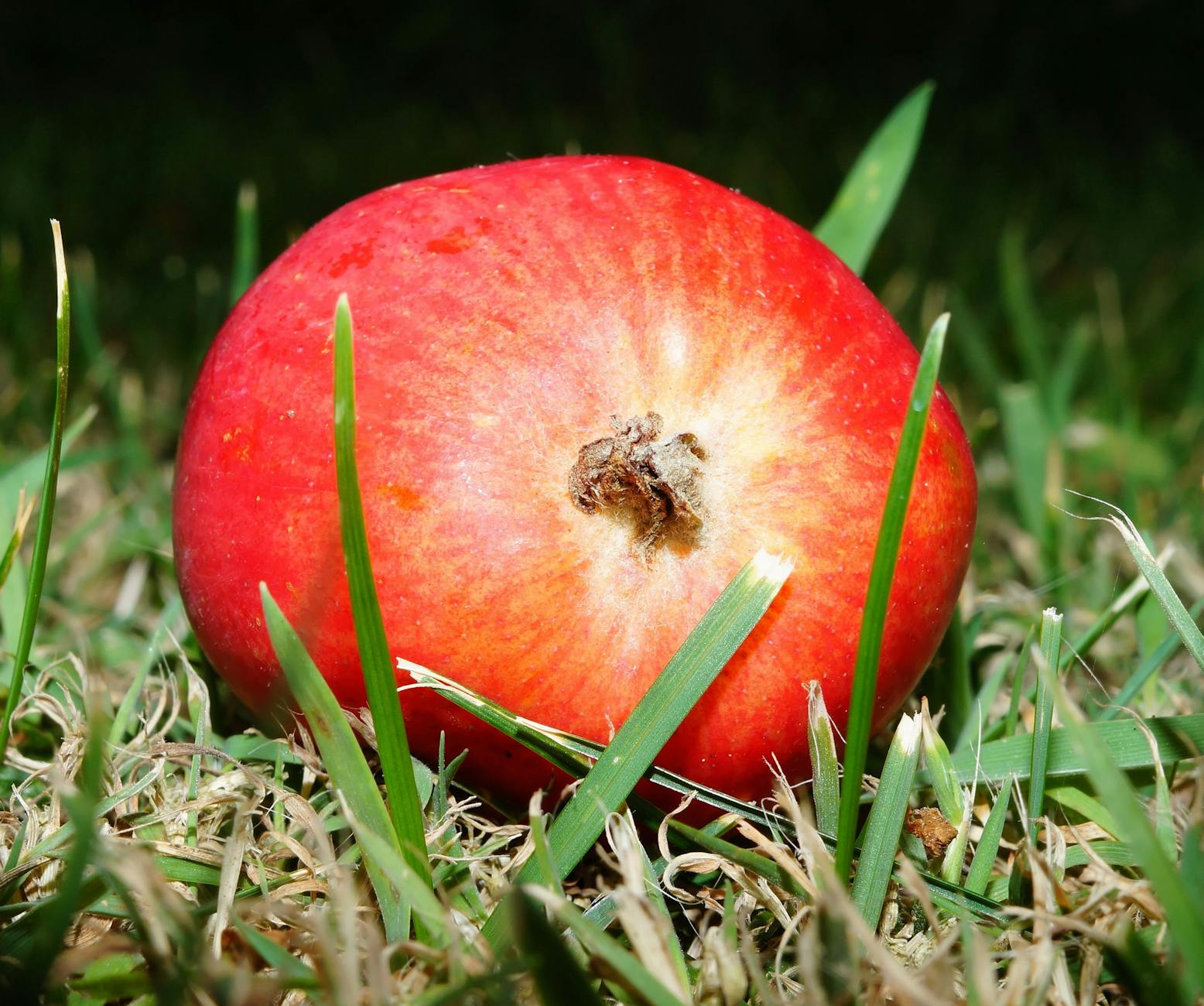
Kittens, whose bodies are still developing, face proportionally higher risk. A healthy adult cat that swallows one unchewed seed is unlikely to show any symptoms. However, if a cat ate an entire apple core — including multiple seeds that were chewed — the scenario becomes clinically relevant and warrants intervention rather than a wait-and-see approach. It is also worth noting that chronic low-level exposure is a lesser-discussed concern. Some owners who keep apple trees in their yards and allow cats to roam may not realize their cats are periodically chewing on fallen fruit or apple cores in compost bins. Repeated small exposures to cyanogenic compounds are not harmless in aggregate. If you have apple trees and an outdoor cat, keeping the ground clear of fallen fruit is a reasonable precaution.
Recognizing the Symptoms of Cyanide Poisoning in Cats
Cyanide poisoning in cats progresses relatively quickly once a sufficient dose has been absorbed. Early symptoms can be subtle and easy to misattribute to other causes — lethargy, dilated pupils, excessive salivation, and restlessness. These signs can appear within fifteen minutes to an hour of ingestion depending on how thoroughly the seeds were chewed and how much cyanide was released. The rapid onset is one reason prompt action matters more than trying to observe and wait. As poisoning progresses, more severe neurological and respiratory symptoms emerge.
Difficulty breathing, muscle tremors, weakness in the hind legs, and collapse are signs that cyanide is actively interfering with cellular respiration. In advanced cases, cats may lose consciousness or experience seizures. Bright red gums — caused by oxygen-rich blood that cannot be utilized by the tissues — are a classic clinical sign of cyanide toxicity that veterinarians specifically look for, though this finding is not always present. For example, a cat that ate several crushed apple seeds might first appear slightly off — less interested in food, hiding more than usual. Within an hour, it might begin breathing rapidly and show unsteady movement. This escalation from vague malaise to serious neurological symptoms can happen faster in cats than owners expect, which is why waiting to see if symptoms resolve on their own is not an appropriate response when seed ingestion is confirmed or suspected.

What to Do If Your Cat Ate Apple Seeds
If you know or strongly suspect your cat ate apple seeds, the first step is to contact your veterinarian or the ASPCA Animal Poison Control Center (888-426-4435) immediately. Do not wait for symptoms to appear. Cyanide poisoning can progress quickly, and early intervention is far more effective than treatment after clinical signs are advanced. When you call, have the approximate number of seeds, your cat’s weight, and the time of ingestion ready — this information helps the veterinary team assess risk and advise next steps. Do not attempt to induce vomiting at home in cats. Unlike dogs, cats are extremely difficult to induce vomiting in safely without veterinary oversight, and certain home remedies like hydrogen peroxide are dangerous in cats and can cause hemorrhagic gastroenteritis.
If the veterinarian determines that decontamination is appropriate, they will handle it in a clinical setting. In some cases, if ingestion was very recent, they may administer activated charcoal to reduce absorption. Treatment for confirmed cyanide poisoning at a veterinary clinic typically involves supportive care — oxygen supplementation, intravenous fluids, and in serious cases, specific antidotes such as sodium nitrite or hydroxocobalamin. The prognosis is much better when treatment begins early. This is worth contrasting with the approach some owners take of assuming “it was just a few seeds” and not calling. Given how quickly cyanide can act, the cost of a phone call to poison control is negligible compared to the risk of delayed treatment.
Apple Stems and Leaves — Are They Also a Concern?
Apple seeds get most of the attention, but the leaves and stems of apple trees also contain cyanogenic glycosides. Wilted apple leaves, in particular, have higher concentrations of these compounds than fresh leaves, making them more acutely dangerous. Cats that have access to apple trees — especially after a storm or pruning event that leaves wilted cuttings on the ground — face a risk that extends beyond the fruit itself. Fresh apple leaves present a lower but nonzero risk. Cats are unlikely to voluntarily eat large quantities of fresh leaves given their bitter taste, but curious cats, especially kittens, may chew on stems and leaves as a form of play or exploration.
If your cat has access to an apple tree or apple branches used as decorative elements indoors — a practice that is not uncommon in certain autumn or holiday arrangements — this is worth considering as a potential hazard. A practical warning: apple wood is sometimes sold or used as a chewing material for small animals like rabbits, and is generally considered safe for that purpose when properly dried and prepared. However, fresh apple branches are a different matter. Do not assume that because apple wood toys are sold for pets that fresh apple trimmings are safe for your cat to chew on. The curing and drying process is specifically intended to reduce cyanogenic content, and untreated fresh cuttings do not have the same safety profile.
Can Cats Eat Apple Flesh Safely?
The fruit flesh of apples — without seeds, stems, or leaves — is not toxic to cats. However, that does not mean it is a beneficial or appropriate snack. Cats are obligate carnivores, and their nutritional requirements are met by animal protein. They lack the taste receptors for sweetness, so the appeal of fruit for humans simply does not translate to cats in the same way. Feeding apple pieces to a cat is more of an owner behavior than something a cat genuinely seeks out.
If a cat does eat a small piece of apple flesh, the main concerns are sugar content and fiber, not toxicity. Excessive sugar intake contributes to weight gain and can be problematic for diabetic cats. The fiber in apple can also cause loose stool if consumed in more than very small amounts. A single small piece of apple flesh is unlikely to cause any problem, but it is not a treat to offer routinely. The core — which bundles seeds, fibrous material, and stem together — should never be given to a cat.
Broader Context — Other Common Fruits and Seeds That Pose Similar Risks
Apple seeds are not the only common fruit seeds that contain cyanogenic glycosides. Cherry pits, peach pits, apricot kernels, and plum pits carry similar chemistry and the same general risk profile for cats. Grapes and raisins are in a different category but present a serious toxicity risk through a mechanism that is still not fully understood by researchers.
Owners who are thoughtful about apple safety should apply the same scrutiny to other fruits left within a cat’s reach. As veterinary toxicology continues to advance, the understanding of exactly which compounds cause harm in cats — and at what doses — is becoming more precise. The practical takeaway for cat owners is that erring toward caution with fruit seeds, pits, and cores is always the safer choice. Cats do not require fruit in their diet, and the potential downside of an accidental exposure far outweighs any benefit from offering fruit as a treat.
Conclusion
Apple seeds are genuinely dangerous to cats because of their cyanide-releasing compounds, but the severity of risk depends heavily on how many seeds were consumed, whether they were chewed or swallowed whole, and the cat’s size and health status. A single unchewed seed is unlikely to cause serious harm, but an apple core with multiple crushed seeds is a legitimate emergency that warrants immediate contact with a veterinarian or poison control. The fruit flesh is safe in small amounts, but the seeds, stem, and leaves are not.
The most important actions for any cat owner are: never give a cat an apple core, keep fallen apples and compost bins away from cats with outdoor access, and call for professional guidance immediately if ingestion of seeds is known or suspected. Do not wait for symptoms to appear. Cyanide poisoning moves quickly, and the window for effective intervention is narrower in cats than most owners realize.
Frequently Asked Questions
My cat licked an apple. Is that dangerous?
Licking the skin or flesh of an apple carries no meaningful risk. The toxicity is confined to the seeds, stems, and leaves. A brief contact with apple flesh is not cause for concern.
How many apple seeds would it take to seriously harm a cat?
There is no universally safe number because factors like seed size, how thoroughly they were chewed, and the cat’s body weight all influence the outcome. Even a small number of thoroughly chewed seeds in a small cat could be clinically significant. Treating any seed ingestion as a reason to call a vet is the safest approach.
Can I give my cat apple slices as a treat?
Small pieces of apple flesh — with seeds, stem, and core fully removed — are not toxic. However, cats gain no nutritional benefit from fruit, and the sugar content is a reason to limit it. It is not a treat to offer regularly.
What do I do if I cannot reach a vet and my cat ate apple seeds?
Call the ASPCA Animal Poison Control Center at 888-426-4435. They operate around the clock and can advise you on next steps based on your cat’s specific situation. Do not try to induce vomiting at home.
Are apple tree leaves dangerous to cats?
Yes, particularly wilted leaves, which have higher concentrations of cyanogenic compounds than fresh leaves. Cats with access to apple trees or apple cuttings should be monitored, and fallen or wilted material should be cleared promptly.
Is apple wood safe for cats to chew on?
Properly dried and cured apple wood is generally considered low-risk, but fresh apple branches are not the same as commercially prepared chewing materials. Fresh cuttings retain higher levels of cyanogenic compounds and should not be given to cats.