
Yes, garlic is dangerous for cats and should never be fed to them under any circumstances. Garlic contains compounds called thiosulfates that cats cannot properly metabolize, leading to oxidative damage to their red blood cells. This damage causes a condition called Heinz body anemia, which can be life-threatening if left untreated. Even small amounts of garlic””as little as one clove””can cause toxicity in an average-sized cat, making this common kitchen ingredient one of the more serious food hazards for feline companions. The danger extends beyond fresh garlic cloves.
A cat that licks residue from a pan used to cook garlic-seasoned chicken, or one that nibbles on garlic bread left on a counter, faces the same toxic risk. The concentrated forms found in garlic powder and garlic salt are actually more dangerous per weight than fresh garlic, meaning even tiny amounts in seasoned foods can cause problems. One documented case involved a cat developing severe anemia after repeatedly eating small portions of baby food that contained garlic powder as a flavoring agent. This article covers why garlic is toxic to cats at the biochemical level, how much garlic constitutes a dangerous dose, what symptoms to watch for, how veterinarians treat garlic poisoning, and which related foods in the allium family pose similar risks. Understanding these details helps cat owners prevent accidental exposure and respond appropriately if ingestion occurs.
Table of Contents
- Why Is Garlic Toxic to Cats?
- How Much Garlic Is Harmful to Cats?
- Recognizing the Signs of Garlic Poisoning in Cats
- What to Do If Your Cat Eats Garlic
- Other Allium Foods That Pose Similar Risks
- Hidden Sources of Garlic in Commercial Products
- Long-Term Health Outlook After Garlic Exposure
- Conclusion
Why Is Garlic Toxic to Cats?
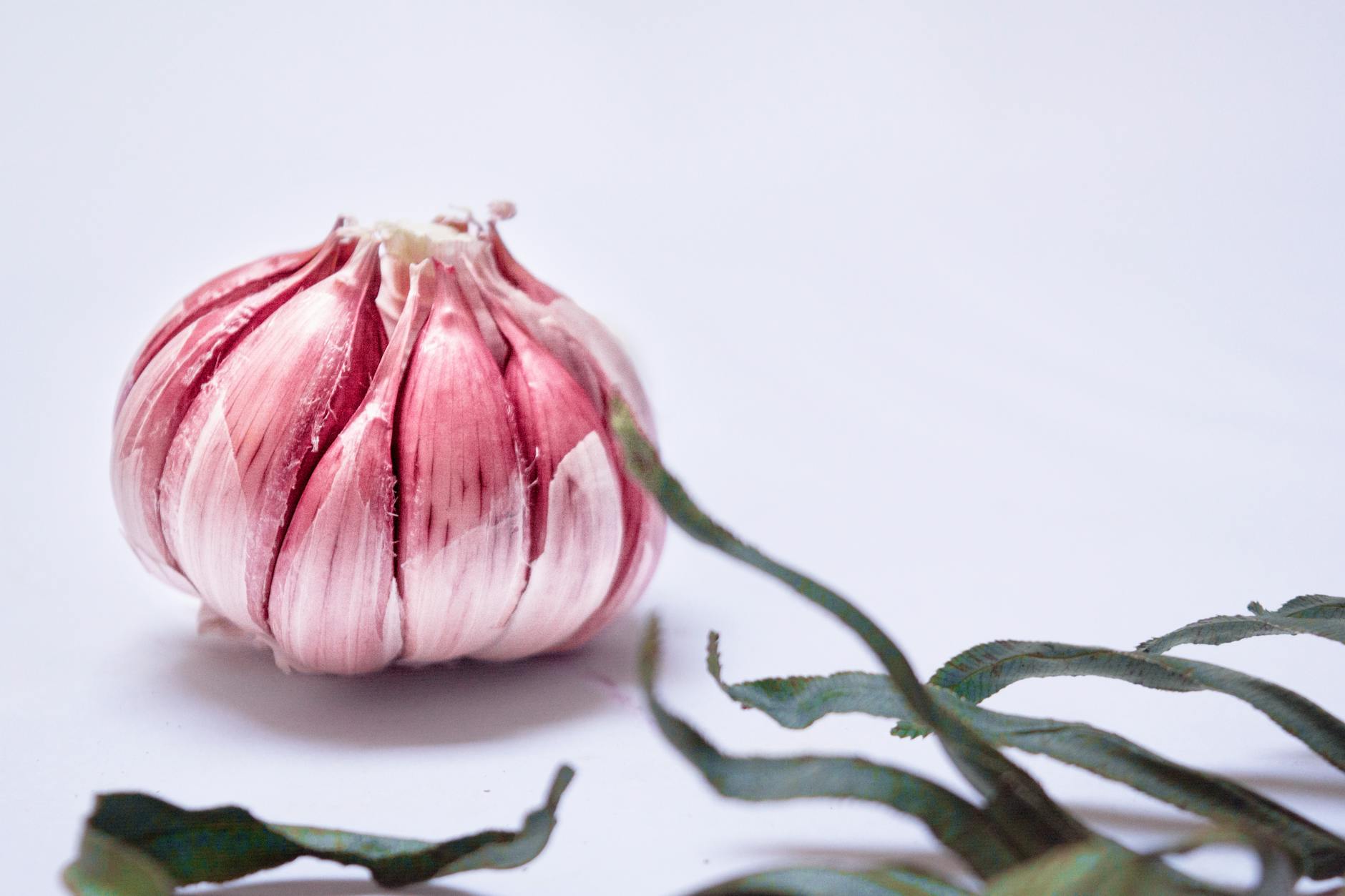
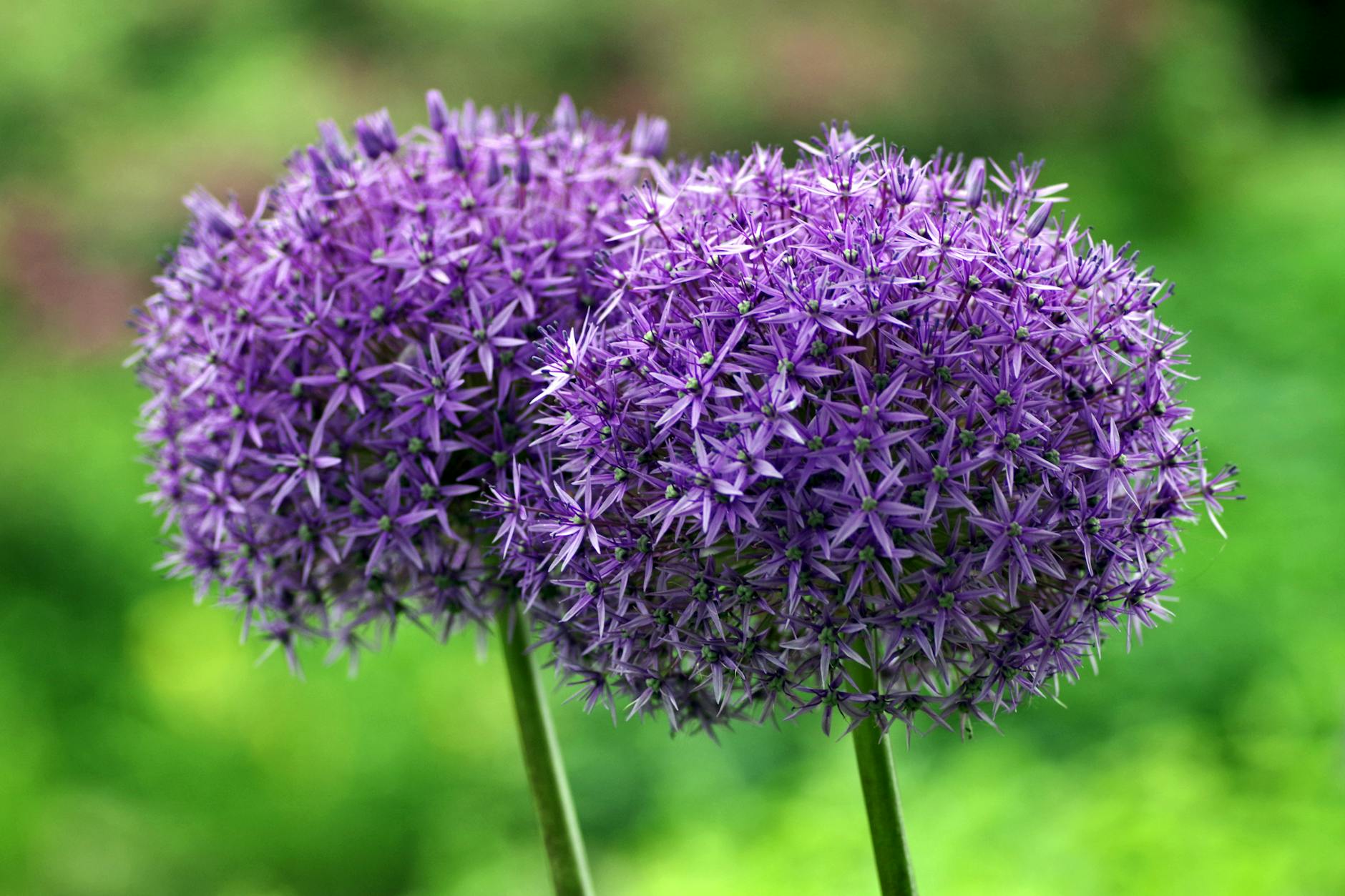
Garlic belongs to the Allium family, which includes onions, leeks, chives, and shallots. All members of this plant family contain organosulfur compounds, with thiosulfates being the primary culprit behind feline toxicity. When a cat ingests garlic, these thiosulfates enter the bloodstream and attach to the hemoglobin molecules inside red blood cells. cats lack sufficient amounts of the enzyme needed to break down these compounds, so the thiosulfates accumulate and cause oxidative stress. This oxidative damage denatures the hemoglobin, causing it to clump into visible formations called Heinz bodies on the surface of red blood cells.
The spleen recognizes these damaged cells as abnormal and destroys them faster than the bone marrow can produce replacements. The result is hemolytic anemia””a dangerous reduction in the blood’s oxygen-carrying capacity. Compared to dogs, cats are significantly more susceptible to this type of poisoning; their red blood cells contain more oxidation-prone hemoglobin and fewer protective enzymes. The toxic effects are cumulative, which represents a particular danger for cats. Unlike acute poisoning from a single large exposure, repeated small doses of garlic over days or weeks can build up to cause the same severe anemia. A cat that regularly receives table scraps seasoned with garlic might appear fine for weeks before suddenly showing symptoms of serious illness.
How Much Garlic Is Harmful to Cats?
Studies indicate that consuming garlic at a dose of approximately 5 grams per kilogram of body weight can cause noticeable toxic effects in cats. For an average 4.5-kilogram (10-pound) cat, this translates to roughly one and a half to two cloves of fresh garlic. However, this threshold should not be interpreted as a safe limit below which no harm occurs. Veterinary toxicologists emphasize that any amount of garlic poses risk, and individual cats may experience adverse effects at lower doses depending on their overall health, age, and genetic factors. Concentrated garlic products present heightened danger due to their potency.
Garlic powder is approximately five times more concentrated than fresh garlic by weight, meaning a small sprinkle from a spice jar delivers a proportionally larger dose of thiosulfates. Garlic oil and garlic supplements designed for humans contain even higher concentrations. One case report described toxicity in a cat whose owner had been giving daily doses of a garlic supplement marketed for flea prevention””a folk remedy with no scientific support that put the cat at serious risk. It is worth noting that some pet products historically included small amounts of garlic under the mistaken belief that it repelled fleas or provided health benefits. While most reputable manufacturers have discontinued this practice, cat owners should still read ingredient labels carefully on treats and supplements. The presence of garlic in any amount warrants avoiding that product.
Recognizing the Signs of Garlic Poisoning in Cats
Symptoms of garlic toxicity typically appear between one and five days after ingestion, reflecting the time needed for significant red blood cell destruction to occur. Early signs often include gastrointestinal upset: vomiting, diarrhea, drooling, abdominal pain, and loss of appetite. These symptoms can be easy to dismiss as a minor stomach upset or hairball issue, but they may indicate the beginning of a more serious systemic problem. As hemolytic anemia develops, cats display signs related to reduced oxygen delivery to tissues. Affected cats become lethargic, weak, and reluctant to move or play.
Their gums and tongue may appear pale rather than the healthy pink color that indicates adequate circulation. In more severe cases, the gums take on a yellowish tint called jaundice, which indicates that the liver is struggling to process the breakdown products from destroyed red blood cells. Increased heart rate and rapid or labored breathing represent the body’s attempt to compensate for reduced oxygen in the blood. One particularly telling sign is dark-colored urine, which occurs when hemoglobin released from ruptured red blood cells is filtered through the kidneys. A cat producing reddish-brown urine after potential garlic exposure requires immediate veterinary attention. Collapse and sudden death can occur in severe cases where anemia progresses rapidly, though this is more common with massive single ingestions rather than gradual exposure.
What to Do If Your Cat Eats Garlic
Immediate action improves outcomes significantly when a cat ingests garlic. If you catch your cat in the act or discover evidence of garlic consumption within the past two hours, contact a veterinarian or pet poison control hotline right away. Do not induce vomiting at home unless specifically instructed by a veterinary professional””while decontamination can help in some cases, inducing vomiting incorrectly can cause additional harm, particularly if the cat is already showing neurological symptoms. The treatment approach depends on timing and severity. For recent ingestions caught quickly, veterinarians may administer activated charcoal to bind remaining toxins in the digestive tract and reduce absorption. Intravenous fluids help maintain hydration and support kidney function.
In severe anemia cases, blood transfusions become necessary to replace destroyed red blood cells and restore adequate oxygen delivery. Cats requiring transfusions typically need hospitalization for several days and have a more guarded prognosis than those treated early. Compared to some other pet toxins, garlic poisoning lacks a specific antidote. Treatment remains supportive: managing symptoms, preventing further absorption, and giving the body time to produce new red blood cells. This recovery process can take weeks, during which affected cats require close monitoring. The absence of a quick fix underscores why prevention matters more than any post-ingestion intervention.
Other Allium Foods That Pose Similar Risks
Garlic is not the only kitchen threat in the allium family. Onions are actually more toxic to cats than garlic on a per-weight basis and cause the same type of hemolytic anemia through identical mechanisms. Shallots, leeks, scallions, and chives all contain thiosulfates at varying concentrations. Any food prepared with these ingredients””soups, stews, gravies, stir-fries, stuffing””carries potential risk if a cat gains access to it. The cooking process does not eliminate toxicity. Boiled, fried, roasted, dehydrated, or powdered alliums retain their harmful compounds.
Some cat owners mistakenly assume that cooked garlic is safe because heat destroys certain toxins in other foods, but this is not true for thiosulfates. Onion or garlic-flavored chips, crackers, and seasoning mixes all present danger despite heavy processing. Even the water drained from boiled onions contains enough dissolved compounds to cause problems if a cat drinks it. A practical rule for cat-owning households is to treat all allium family members as prohibited foods without exception. When preparing meals, secure all scraps and trimmings immediately rather than leaving them accessible on cutting boards or in open trash containers. Foods seasoned with these ingredients should never be shared with cats, regardless of how appealing the meat or fish component might seem.
Hidden Sources of Garlic in Commercial Products
Garlic appears as an ingredient in numerous products that cat owners might not immediately suspect. Baby foods, particularly meat-based varieties, sometimes contain garlic or onion powder for flavoring””a concern because owners occasionally use baby food to entice sick cats to eat or to administer medication. Broths and stocks marketed for cooking almost universally include allium ingredients.
Some commercial cat foods and treats, especially lower-quality brands, have historically included garlic in small amounts. Reading ingredient labels provides protection, though garlic can appear under various names: garlic powder, garlic salt, garlic extract, dehydrated garlic, or simply as part of “natural flavors” or “seasonings.” When in doubt about a product’s safety, contacting the manufacturer directly for clarification is prudent. Products marketed specifically for cats from reputable manufacturers have largely eliminated garlic, but vigilance remains necessary, particularly with treats, supplements, and foods not primarily intended for pets.
Long-Term Health Outlook After Garlic Exposure
Cats that receive prompt treatment for mild to moderate garlic poisoning generally recover fully within a few weeks. The bone marrow ramps up red blood cell production to replace those destroyed, and healthy new cells gradually restore normal blood oxygen levels. During this recovery period, affected cats may tire easily and should be kept calm and inactive to reduce oxygen demands while their blood cell counts rebuild.
Severe cases involving profound anemia or delayed treatment carry a less certain prognosis. Cats that required blood transfusions sometimes experience complications, and there is limited research on whether repeated or severe hemolytic episodes cause lasting damage to the spleen, liver, or kidneys. For cats that survive a serious episode, follow-up blood work helps confirm complete recovery and provides a baseline for future health monitoring. The experience serves as a powerful reminder that kitchen safety measures deserve consistent attention in homes with feline residents.
Conclusion
Garlic is unequivocally dangerous for cats, causing red blood cell destruction that can progress to life-threatening anemia. The toxic compounds in garlic accumulate with repeated exposure, meaning even regular small amounts from table scraps or seasoned foods pose genuine risk. All members of the allium family””onions, shallots, leeks, chives””present similar hazards through identical toxic mechanisms.
Prevention centers on strict separation between cats and garlic-containing foods. Store alliums securely, dispose of trimmings in covered containers, and never share seasoned human foods with feline companions. If garlic ingestion occurs, immediate veterinary consultation offers the best chance for a positive outcome. The delay between ingestion and symptom onset means waiting to see if a cat appears sick is not a safe approach””by the time anemia symptoms manifest, significant damage has already occurred.