
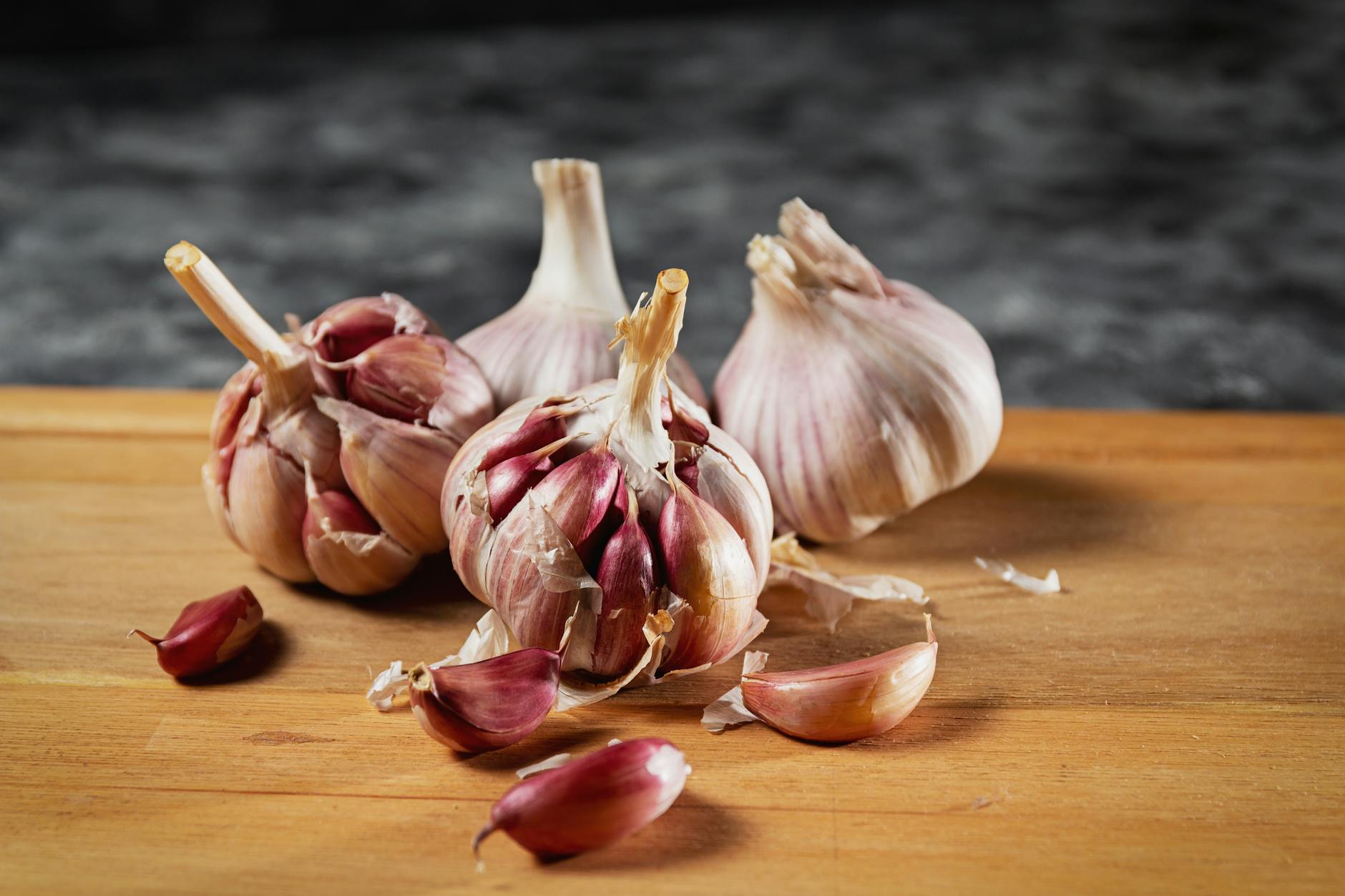
Yes, garlic is dangerous for cats and should never be fed to them under any circumstances. Garlic belongs to the Allium family, which includes onions, leeks, chives, and shallots, and it contains compounds called thiosulfates that cats cannot metabolize. When a cat ingests garlic, these compounds damage red blood cells, leading to a condition called hemolytic anemia, which can be life-threatening if left untreated. Even small amounts of garlic””as little as one clove””can cause toxicity in an average-sized cat, making this common kitchen ingredient one of the more serious food hazards for feline companions.
The danger of garlic often catches cat owners off guard because it seems so harmless, and because some outdated sources once recommended garlic as a natural flea repellent for pets. A cat who sneaks a bite of garlic bread or eats food seasoned with garlic powder may not show symptoms immediately, which leads some owners to mistakenly believe their cat tolerated it well. However, the toxic effects of garlic are cumulative and can take several days to manifest, meaning the damage may already be significant before any warning signs appear. This article covers exactly why garlic is toxic to cats, how much garlic poses a threat, what symptoms to watch for, and what to do if your cat accidentally consumes it.
Table of Contents
- Why Is Garlic Toxic to Cats and Not to Humans?
- How Much Garlic Does It Take to Harm a Cat?
- Symptoms of Garlic Poisoning in Cats
- What to Do If Your Cat Eats Garlic
- Hidden Sources of Garlic in Cat Food and Treats
- Why Outdated Advice Recommends Garlic for Cats
- Long-Term Outlook for Cats Exposed to Garlic
- Conclusion
Why Is Garlic Toxic to Cats and Not to Humans?
The key difference lies in how cats process certain compounds compared to humans. Garlic contains organosulfur compounds, particularly thiosulfates and disulfides, which humans can break down and eliminate without issue. Cats lack specific enzymes in their digestive system that would allow them to safely metabolize these substances. When a cat ingests garlic, the thiosulfates enter the bloodstream and attach to red blood cells, causing oxidative damage that essentially destroys the cells from the inside out.
This species-specific vulnerability explains why a food that’s healthy for humans can be deadly for cats. Dogs are also susceptible to garlic toxicity, but cats are significantly more sensitive””roughly three to five times more so than dogs of comparable weight. A small clove that might cause mild gastrointestinal upset in a medium-sized dog could trigger a serious hemolytic crisis in a cat. It’s worth noting that cooking garlic does not eliminate its toxicity; whether raw, cooked, powdered, or dried, garlic remains dangerous to cats because heat does not break down the harmful thiosulfate compounds.
How Much Garlic Does It Take to Harm a Cat?
Research indicates that as little as 1 gram of garlic per 5 pounds of body weight can be toxic to cats. For perspective, a single clove of garlic weighs approximately 3 to 7 grams, meaning even a partial clove could poison a small or average-sized cat. Garlic powder is more concentrated than fresh garlic, so an even smaller quantity poses a risk. The ASPCA Animal Poison Control Center classifies all Allium species as toxic to cats, with garlic being considered the most potent””approximately five times more toxic than onions on a gram-for-gram basis.
However, it’s important to understand that toxicity isn’t always an immediate, dramatic event. If your cat licks a small amount of garlic butter off a plate, they may not collapse or show obvious distress right away. The damage to red blood cells accumulates over time, which means repeated small exposures can be just as dangerous as a single large dose. A cat who regularly receives table scraps from garlic-seasoned meals may develop chronic anemia without the owner ever connecting the symptoms to their diet. This delayed and cumulative nature of garlic toxicity makes it particularly insidious compared to poisons that cause immediate, obvious reactions.
Symptoms of Garlic Poisoning in Cats
Clinical signs of garlic toxicity typically appear between one and five days after ingestion, though the timing depends on the amount consumed and the individual cat’s sensitivity. Early symptoms often include gastrointestinal distress such as vomiting, diarrhea, drooling, and loss of appetite. These initial signs can be easy to dismiss as a minor stomach upset or hairball issue, especially if the owner doesn’t realize the cat ate garlic. As the condition progresses and more red blood cells are destroyed, cats develop symptoms of anemia: pale or yellowish gums, lethargy, weakness, rapid breathing, and elevated heart rate.
In severe cases, cats may experience collapse, difficulty breathing, or dark-colored urine caused by the breakdown products of destroyed red blood cells passing through the kidneys. A specific example of how this presents: a cat who ate garlic bread three days ago might suddenly become too weak to jump onto furniture, breathe heavily even while resting, and have gums that look white or pale pink instead of their normal healthy color. If you notice any combination of these symptoms and there’s any possibility your cat consumed garlic or other Allium vegetables, seek veterinary care immediately. Early intervention dramatically improves outcomes, while delayed treatment can result in organ damage or death.
What to Do If Your Cat Eats Garlic
Time is critical when dealing with potential garlic poisoning. If you catch your cat in the act or discover they’ve eaten garlic within the past two hours, contact your veterinarian or an emergency animal poison control hotline immediately. In some cases, inducing vomiting can prevent absorption of the toxic compounds, but this should only be done under professional guidance””never attempt to make your cat vomit at home without veterinary instruction, as improper techniques can cause aspiration pneumonia or other complications. Your veterinarian will likely recommend bringing your cat in for evaluation.
Treatment may include induced vomiting if the ingestion was recent, activated charcoal to absorb remaining toxins in the digestive tract, and intravenous fluids to support kidney function and help flush the system. For cats already showing signs of anemia, more intensive treatment such as blood transfusions may be necessary. The trade-off with waiting to see if symptoms develop is significant: by the time obvious signs of anemia appear, substantial red blood cell damage has already occurred, making treatment more difficult and expensive. A cat treated within hours of ingestion typically has a much better prognosis than one brought in days later with advanced anemia.
Hidden Sources of Garlic in Cat Food and Treats
One of the most overlooked dangers is garlic hiding in foods cat owners would never suspect. Baby food, particularly meat-based varieties, sometimes contains onion or garlic powder as flavoring””and baby food has historically been used to entice sick cats to eat or to give medications. Some commercial cat foods and treats, especially those marketed as “human-grade” or featuring gourmet flavors, may include garlic in small amounts. While these quantities are typically too low to cause acute toxicity, the cumulative exposure concern remains, particularly for cats eating the same product daily over months or years. Human foods commonly shared with cats can also harbor garlic.
Deli meats, rotisserie chicken, pizza, pasta sauces, soups, gravies, and seasoned meats often contain garlic that isn’t immediately obvious. Even some butter products come pre-seasoned with garlic. The limitation here is that ingredient labels don’t always make garlic content clear””terms like “natural flavors” or “spices” can mask its presence. For this reason, the safest approach is to avoid feeding cats any human food that you haven’t specifically verified as garlic-free. If you want to share meat with your cat, opt for plain, unseasoned portions cooked without any additives.
Why Outdated Advice Recommends Garlic for Cats
You may encounter old books, websites, or well-meaning relatives who suggest giving cats garlic to repel fleas or as a health supplement. This advice dates back decades and was based on folk remedies rather than scientific evidence. The theory was that garlic would make the cat’s blood unpalatable to fleas, but research has never supported this claim. What we now know is that any amount of garlic capable of affecting parasites would simultaneously poison the cat.
Veterinary medicine has moved firmly away from these recommendations, classifying garlic as a toxin rather than a remedy. For example, a 2004 study in the American Journal of Veterinary Research demonstrated that even moderate amounts of garlic caused measurable changes in feline red blood cells within days. Modern flea prevention products are vastly safer and more effective than any folk remedy involving garlic. If you encounter advice recommending garlic for cats, consider the source and date””anything suggesting garlic is safe or beneficial for cats is outdated and should be disregarded.
Long-Term Outlook for Cats Exposed to Garlic
Cats who receive prompt treatment for garlic poisoning generally have a good prognosis for full recovery. Red blood cells regenerate over time, and cats whose anemia is caught early typically return to normal health within a few weeks. However, cats who experienced severe anemia or required blood transfusions may need monitoring for several months to ensure their bone marrow is producing healthy new cells. The spleen, which filters damaged blood cells, and the kidneys, which process breakdown products, may also need evaluation to ensure no lasting damage occurred.
Looking forward, the key to preventing future incidents is household awareness. Inform all family members and anyone who might feed the cat that garlic is toxic. Secure garlic and products containing it in closed cabinets rather than on countertops. If you cook frequently with garlic, be vigilant about cleaning spills and not leaving plates unattended. Cats are curious creatures, and a single lapse in kitchen safety can undo months of careful prevention.
Conclusion
Garlic is unambiguously dangerous for cats, regardless of the form it takes or the quantity consumed. The toxic compounds in garlic damage feline red blood cells, leading to anemia that can become life-threatening without treatment. Because symptoms may take days to appear and the effects accumulate with repeated exposure, even small or occasional amounts pose a real risk to your cat’s health.
The most important steps cat owners can take are prevention and prompt action. Keep garlic and garlic-containing foods away from your cat, read ingredient labels carefully before sharing any human food, and contact your veterinarian immediately if you suspect your cat has ingested garlic. With awareness and quick response, garlic toxicity is entirely preventable and treatable””but it requires taking the danger seriously rather than assuming a small taste won’t matter.