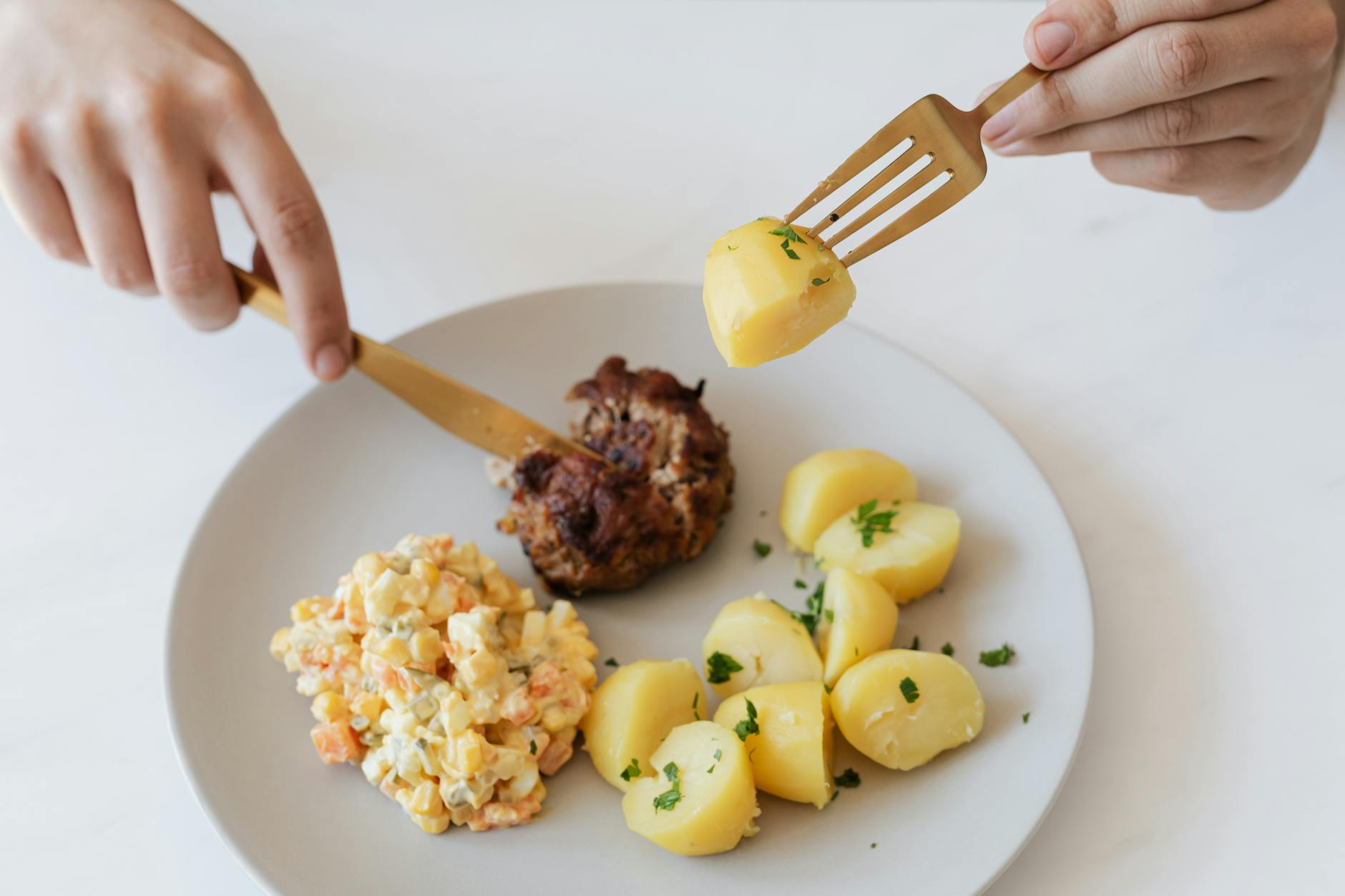
Yes, cats can eat potatoes without risk, but only when the potatoes are cooked, peeled, and served completely plain. Raw potatoes are a different story entirely””they contain solanine, a toxic compound that can poison your cat and cause serious health problems ranging from vomiting to seizures. So if your cat has swiped a bite of your plain baked potato, there is no cause for alarm. But if you caught them nibbling on a raw potato from your pantry, you should monitor them closely and contact your veterinarian. The distinction between safe and dangerous potato consumption comes down to preparation.
A cat that eats a small teaspoon of unseasoned mashed potato once a week faces no health risks. A cat that consumes raw potato, potato skins, or buttery, salted preparations could experience anything from mild gastrointestinal upset to severe neurological symptoms. Consider the case of a cat owner who shares a few plain roasted potato pieces with their pet during dinner””this occasional treat poses no threat. Compare that to a cat that raids the garbage and eats discarded potato peels, which retain solanine even after cooking. This article covers the specific risks of raw versus cooked potatoes, safe serving sizes and frequency, the symptoms of solanine poisoning to watch for, and how sweet potatoes differ from regular potatoes. Understanding these details helps you make informed decisions about what table scraps, if any, your cat can safely enjoy.
Table of Contents
- What Makes Raw Potatoes Dangerous for Cats?
- Safe Potato Preparation Guidelines for Feline Consumption
- Why Cats Do Not Actually Need Potatoes in Their Diet
- What Potato Products Should Never Be Given to Cats
- How Sweet Potatoes Differ From Regular Potatoes for Cats
- Recognizing and Responding to Potato-Related Illness
- When to Skip the Potato Entirely
- Conclusion
What Makes Raw Potatoes Dangerous for Cats?
raw potatoes belong to the nightshade family, and like other members of this plant group, they contain solanine””a natural glycoalkaloid that serves as the plant’s defense mechanism against pests and disease. This compound concentrates in the skin, the flesh of uncooked potatoes, and especially in any green portions of the vegetable. When a cat ingests solanine, their body cannot process it effectively, leading to toxic effects that range from uncomfortable to life-threatening. The symptoms of solanine poisoning in cats typically begin with gastrointestinal distress. Your cat may experience nausea, vomiting, and diarrhea within hours of consuming raw potato. In more severe cases, particularly if a larger amount was eaten, neurological symptoms can develop.
These include tremors, seizures, and in extreme situations, loss of consciousness. A cat that weighs only eight to twelve pounds does not need to consume much raw potato for these effects to manifest””even a few bites could trigger a reaction in a smaller or more sensitive animal. Green potatoes pose an especially heightened risk because the green coloration indicates elevated solanine levels. This happens when potatoes are exposed to light during storage. If you notice green patches on your potatoes, you should discard them entirely rather than simply cutting away the discolored portions. The solanine often extends beyond the visible green area, and what might be safe for a human in small amounts could still harm a cat.
Safe Potato Preparation Guidelines for Feline Consumption
Cooking potatoes breaks down the solanine to levels that become safe for cats to consume in small quantities. However, the cooking process alone does not make every potato dish cat-friendly. The key requirement is that potatoes must be peeled, thoroughly cooked, and served without any additives whatsoever. This means no butter, no salt, no garlic, no cheese, and no other seasonings that typically make potatoes appealing to humans. The maximum safe serving size for cats is approximately one small teaspoon of mashed potato or a few small pieces of roasted potato.
This portion should be offered no more than once per week, and treats of any kind””including plain potato””should comprise no more than ten percent of your cat’s daily caloric intake. To put this in perspective, if your cat eats approximately 200 calories per day, only 20 of those calories should come from treats. A tablespoon of plain mashed potato contains roughly 15 calories, so even this single treat approaches the daily limit. However, if your cat has diabetes, kidney disease, or obesity issues, you should avoid offering potatoes altogether. The starchy carbohydrates in potatoes can spike blood sugar levels and contribute to weight gain. Cats with these conditions require stricter dietary management, and their treat options should be discussed with a veterinarian who understands their specific health situation.
Why Cats Do Not Actually Need Potatoes in Their Diet
Cats are obligate carnivores, which means their bodies evolved to derive nutrition exclusively from animal-based proteins. Unlike omnivores such as dogs or humans, cats lack certain digestive enzymes needed to efficiently process plant matter and extract nutrients from it. Their digestive tracts are shorter, optimized for breaking down meat rather than carbohydrates. This biological reality means that potatoes, regardless of how they are prepared, offer no essential nutritional benefit to your cat. A complete and balanced commercial cat food already provides every nutrient your cat requires””protein, fats, vitamins, minerals, and amino acids like taurine that cats cannot synthesize on their own.
When you add potatoes to your cat’s diet, you are essentially adding empty calories from their perspective. The carbohydrates, fiber, and vitamin C that make potatoes nutritious for humans do not translate to meaningful health benefits for felines. Your cat’s body simply was not designed to utilize these nutrients in the same way. This does not mean offering a small amount of plain cooked potato causes harm””it simply means there is no health-based argument for making it part of your cat’s regular routine. If your cat enjoys the occasional potato treat and tolerates it well, the practice falls into the category of harmless indulgence rather than beneficial supplementation.

What Potato Products Should Never Be Given to Cats
The list of potato preparations that are unsafe for cats extends well beyond raw potatoes. French fries, potato chips, hash browns, and any form of fried potato should never be offered to your cat. These products contain excessive amounts of salt, oil, and fat that can lead to digestive upset, pancreatitis, and long-term health problems like obesity and heart disease. A single potato chip might seem insignificant, but the sodium content alone can be problematic for an animal that weighs a fraction of what you do. Seasoned potato dishes present similar concerns. Garlic mashed potatoes, for example, contain an ingredient that is outright toxic to cats””garlic damages feline red blood cells and can cause anemia.
Potatoes prepared with onion, chives, or leeks carry the same risk, as all members of the allium family are poisonous to cats. Even something as seemingly benign as butter adds unnecessary fat and can contain salt, making it an inappropriate addition to any potato you plan to share. Potato skins deserve special mention because many cat owners assume that cooking eliminates all risk. While cooking does reduce solanine levels in the potato flesh, the skins retain higher concentrations of this compound even after baking, boiling, or roasting. When preparing potatoes for your cat, always remove the skin completely. The same applies to any eyes or sprouted portions of the potato, which also contain elevated solanine levels.
How Sweet Potatoes Differ From Regular Potatoes for Cats
Sweet potatoes occupy a different botanical category than regular potatoes””they are not nightshades and do not contain solanine. This means sweet potatoes lack the toxicity risk that makes raw white, red, or yellow potatoes dangerous. A cat that accidentally eats a piece of raw sweet potato will not experience solanine poisoning the way they would with a raw russet or Yukon gold. However, the absence of solanine does not make sweet potatoes a free pass for feline consumption. The same fundamental rules apply: sweet potatoes should still be cooked, served plain, and offered only in small amounts as an occasional treat.
The high carbohydrate content remains a concern for cats, who have no dietary requirement for starchy foods. An overweight cat or one with diabetes should avoid sweet potatoes just as they should avoid regular potatoes. Some commercial cat foods include sweet potato as an ingredient, particularly grain-free formulations that use it as a binding agent or carbohydrate source. This is different from offering table scraps, as the sweet potato in these foods has been incorporated as part of a nutritionally balanced formula. If you are curious whether sweet potato-containing cat food is appropriate for your pet, the decision should be based on the overall nutritional profile rather than the presence or absence of any single ingredient.
Recognizing and Responding to Potato-Related Illness
If you suspect your cat has eaten raw potato, potato skins, or a large quantity of any potato preparation, watch for symptoms of distress over the following 24 hours. The earliest signs typically involve the gastrointestinal system””look for vomiting, diarrhea, decreased appetite, or excessive drooling. Your cat may also appear lethargic or reluctant to move. These symptoms alone warrant a call to your veterinarian, especially if you witnessed your cat consuming something they should not have.
More severe solanine poisoning progresses to neurological symptoms. Tremors, difficulty walking, dilated pupils, and seizures indicate that the toxin has affected your cat’s nervous system. Loss of consciousness represents a medical emergency requiring immediate veterinary intervention. Time matters in these cases””the sooner your cat receives treatment, the better their chances of full recovery.
When to Skip the Potato Entirely
Some cats should never receive potato treats regardless of preparation method. Cats with inflammatory bowel disease, food sensitivities, or chronic digestive issues may react poorly even to plain cooked potatoes. Kittens and senior cats with compromised systems should stick exclusively to their formulated diets.
If your cat has never eaten potato before, introduce it in tiny amounts and monitor for any adverse reaction before offering more. The simplest approach is to recognize that your cat does not need potatoes and will not miss them if you never offer any. Plenty of cat-safe treats exist that align better with feline nutritional requirements, including small pieces of cooked chicken, fish, or commercial treats designed specifically for cats.
Conclusion
Cats can safely eat small amounts of cooked, plain potato as an occasional treat, but the risks associated with improper preparation make careful attention essential. Raw potatoes, potato skins, green potatoes, and any seasoned or fried preparations should never be given to cats due to solanine toxicity and other health concerns. The safe approach involves peeled, fully cooked potato served without any additives, limited to about a teaspoon no more than once weekly.
Understanding that cats are obligate carnivores puts potato consumption in proper perspective. Your cat gains no nutritional benefit from eating potatoes””complete commercial cat food already provides everything they need. If you choose to share the occasional plain potato bite with your cat, do so knowing it is an indulgence rather than a dietary contribution. When in doubt, skip the potato and offer a protein-based treat that aligns with your cat’s biological needs.