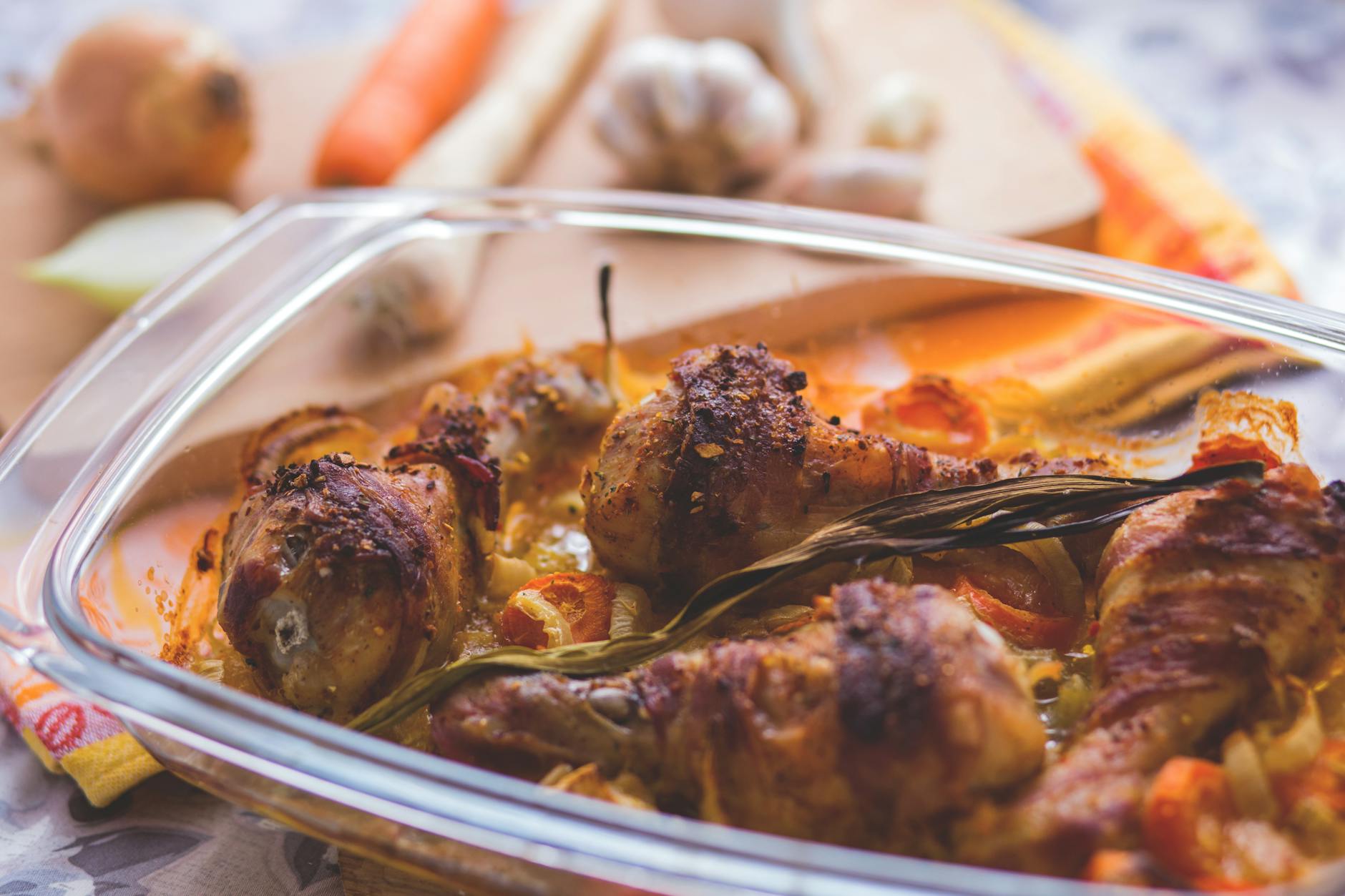
Yes, cats can eat cooked chicken safely, and it ranks among the healthiest protein sources you can offer your feline companion. Plain, boneless, skinless chicken that has been thoroughly cooked provides high-quality animal protein that aligns perfectly with a cat’s obligate carnivore dietary needs. A typical house cat can safely consume one to two tablespoons of cooked chicken breast as an occasional treat or meal supplement without any adverse effects, assuming the meat contains no added seasonings, oils, or harmful ingredients. However, cooked chicken should complement a nutritionally complete cat food rather than replace it entirely.
While chicken delivers excellent protein and essential amino acids like taurine, it lacks the full spectrum of vitamins, minerals, and fatty acids cats require for long-term health. For example, a cat fed only plain chicken for several weeks would develop nutritional deficiencies, particularly in calcium, vitamin E, and certain B vitamins. This article explores the proper ways to prepare chicken for cats, appropriate serving sizes, potential risks to avoid, and how to incorporate this popular protein into your cat’s diet responsibly. The following sections cover everything from safe cooking methods and portion guidelines to warning signs of allergic reactions and comparisons with other protein sources, giving you a complete framework for feeding cooked chicken to your cat.
Table of Contents
- What Makes Cooked Chicken Safe for Cats to Eat?
- Understanding Proper Portion Sizes for Cats Eating Chicken
- Which Chicken Parts Are Safe and Unsafe for Cats
- Signs Your Cat May Have a Chicken Allergy or Intolerance
- Comparing Chicken to Other Protein Options for Cats
- When to Avoid Feeding Chicken to Your Cat
- The Role of Chicken in Homemade Cat Food Diets
- Conclusion
What Makes Cooked Chicken Safe for Cats to Eat?
Cooking chicken eliminates the bacterial pathogens that make raw poultry dangerous for both catprofessor.com/is-it-safe-for-cats-to-eat-eggs/” title=”Is It Safe for Cats to Eat Eggs”>cats and humans. Salmonella and campylobacter, two bacteria commonly found in raw chicken, are destroyed when internal meat temperatures reach 165 degrees Fahrenheit. While some proponents of raw feeding argue that cats possess more acidic stomachs capable of handling bacteria, veterinary evidence indicates that domestic cats can and do contract foodborne illnesses from contaminated raw meat, sometimes with fatal consequences. The nutritional profile of chicken also explains its safety and suitability for cats. Chicken breast contains approximately 31 grams of protein per 100-gram serving with minimal fat content, making it an excellent lean protein source.
Unlike plant proteins, chicken provides complete amino acids in forms cats can readily absorb and utilize. Taurine, an amino acid essential for feline heart function and vision, occurs naturally in chicken muscle tissue, though concentrations vary depending on the cut. Compared to other common proteins, chicken offers a favorable balance of digestibility and nutrient density. Beef contains higher fat content that some cats struggle to process, while fish, though appealing to many cats, carries risks of thiamine deficiency and mercury accumulation when fed frequently. Chicken occupies a middle ground that most cats tolerate well, which partly explains why it appears as the primary ingredient in countless commercial cat foods.
Understanding Proper Portion Sizes for Cats Eating Chicken
Portion control matters significantly when feeding cooked chicken to cats because overfeeding disrupts nutritional balance and contributes to obesity. Treats and supplemental foods, including chicken, should constitute no more than 10 percent of a cat’s daily caloric intake according to veterinary nutritional guidelines. For an average 10-pound adult cat requiring approximately 200 calories daily, this translates to roughly 20 calories from treats, equivalent to about one ounce or two tablespoons of cooked chicken breast. A practical example illustrates appropriate portioning: if you offer your cat cooked chicken three times per week, each serving should remain small enough that the weekly total stays within healthy limits. One tablespoon per serving, given as an occasional treat alongside regular meals, allows your cat to enjoy chicken benefits without caloric excess.
Cats fed larger portions frequently, such as a quarter cup daily, risk weight gain and may begin refusing their nutritionally complete regular food in favor of the more appealing chicken. The 10 percent guideline requires adjustment for cats with specific health conditions. Diabetic cats may benefit from slightly higher protein treats like chicken, while cats with kidney disease often need protein restriction that makes chicken treats inadvisable. Overweight cats on calorie-restricted diets have even less room for treat calories. Always consult your veterinarian about appropriate treat portions for cats with diagnosed health conditions, as individual needs vary considerably from general guidelines.
Which Chicken Parts Are Safe and Unsafe for Cats
Breast meat represents the safest chicken cut for cats due to its lean composition and absence of small bones. Thigh meat, while safe, contains higher fat content that some cats digest less efficiently, potentially causing loose stools or vomiting in sensitive individuals. A cat accustomed to lean proteins might experience digestive upset when suddenly given fattier dark meat, so introduce thigh meat gradually if you choose to offer it. Chicken skin and fatty trimmings should be avoided entirely. The high fat concentration in skin can trigger pancreatitis, a painful and potentially life-threatening inflammation of the pancreas. Even small amounts of skin given regularly increase pancreatitis risk over time.
Similarly, chicken fat drippings left in cooking pans contain concentrated lipids that pose the same dangers. Bones present a nuanced safety consideration. Cooked chicken bones become brittle and can splinter into sharp fragments that puncture the esophagus, stomach, or intestinal walls, causing potentially fatal internal injuries. This danger applies to all cooked bones regardless of size or cooking method. Raw bones, while softer and less prone to splintering, still carry bacterial contamination risks and may cause dental fractures. Most veterinarians recommend avoiding chicken bones entirely rather than attempting to distinguish safe from unsafe bone preparations.

Signs Your Cat May Have a Chicken Allergy or Intolerance
While chicken ranks among the safer proteins for most cats, it also appears on lists of common feline food allergens. Chicken allergy symptoms typically manifest as skin problems including excessive scratching, hair loss, and skin lesions concentrated around the head and neck. Gastrointestinal symptoms such as vomiting, diarrhea, and flatulence may also indicate chicken intolerance. These reactions can develop even in cats that previously tolerated chicken without issues, as food allergies sometimes emerge after years of exposure. Distinguishing between true allergy and simple intolerance requires veterinary assessment. An elimination diet, where chicken is removed from the diet for eight to twelve weeks before careful reintroduction, represents the gold standard for food allergy diagnosis.
During this period, the cat eats only a novel protein source or hydrolyzed protein diet to allow any allergic inflammation to resolve. If symptoms return upon chicken reintroduction, allergy is confirmed. A limitation worth noting: many symptoms attributed to food allergies actually stem from environmental allergens or other conditions. A cat scratching excessively after eating chicken might be reacting to dust mites rather than the food itself. Conversely, cats consuming commercial foods containing chicken derivatives might display chronic low-grade symptoms that owners never connect to diet because the ingredient appears in so many products. Accurate diagnosis requires working with a veterinarian rather than attempting home diagnosis based on symptom observation alone.
Comparing Chicken to Other Protein Options for Cats
Chicken offers distinct advantages and disadvantages compared to other proteins commonly fed to cats. Turkey provides a similar nutritional profile with slightly lower fat content, making it an excellent alternative for cats that tolerate it well. Beef delivers higher iron and zinc concentrations but contains more saturated fat and proves harder for some cats to digest. Lamb and duck, while nutritious, typically cost more and appear less frequently in commercial cat foods, making them useful novel proteins for allergy elimination diets. Fish deserves special consideration given its popularity among cat owners. While many cats enthusiastically consume fish, regular fish feeding carries meaningful risks.
Tuna specifically causes thiamine deficiency when fed frequently, and most fish accumulate mercury and other heavy metals that build up in cat tissues over time. Fish also triggers addictive-like feeding behaviors in some cats, leading them to refuse other foods. Chicken avoids these fish-specific concerns while still providing the animal protein cats crave. For cats requiring variety or owners seeking rotation feeding approaches, chicken serves well as a primary protein alternated with turkey and occasional small amounts of other meats. This rotation provides nutritional diversity while minimizing risks associated with any single protein source. A sample rotation might include chicken-based meals three days weekly, turkey two days, and a different protein like rabbit or duck for the remaining days.

When to Avoid Feeding Chicken to Your Cat
Certain medical conditions make chicken inappropriate regardless of preparation method. Cats diagnosed with inflammatory bowel disease sometimes react poorly to chicken even when other proteins cause no issues, possibly because years of commercial food consumption sensitized their immune systems to this common ingredient. Cats with chronic kidney disease require carefully controlled protein intake that makes casual chicken treats problematic without veterinary guidance on appropriate amounts. Post-surgical cats and those recovering from gastrointestinal illness need particular caution around dietary changes.
While plain boiled chicken appears in some veterinary-recommended bland diets for recovering cats, this guidance should come from your veterinarian rather than independent decision-making. A cat recovering from intestinal surgery, for instance, might require a specific veterinary diet formulated for easy digestion rather than home-prepared chicken. Kittens under twelve weeks old should receive only formula or kitten-specific food rather than chicken treats. Their developing digestive systems require carefully balanced nutrition that plain chicken cannot provide, and introducing treats too early may establish picky eating habits that persist into adulthood.
The Role of Chicken in Homemade Cat Food Diets
Some cat owners pursue homemade diets using chicken as a primary ingredient, but this approach requires significant nutritional knowledge to execute safely. Commercial cat foods undergo formulation by veterinary nutritionists who balance dozens of nutrients in precise ratios. Homemade diets lacking this expertise commonly cause deficiencies in calcium, vitamin E, taurine, and essential fatty acids, with health consequences that may take months or years to become apparent.
If you choose to prepare homemade cat food featuring chicken, work with a board-certified veterinary nutritionist to develop a complete and balanced recipe. These specialists can create formulations that account for your cat’s specific health status, age, and activity level while ensuring nutritional adequacy. Recipes typically require supplementation with products like calcium carbonate, fish oil, and vitamin premixes to achieve completeness. Simply feeding chicken with occasional vegetables, a common approach among well-meaning owners, virtually guarantees nutritional imbalance over time.
Conclusion
Cooked chicken stands as one of the safest and most nutritious treats you can offer your cat when prepared and portioned appropriately. Plain, boneless, skinless chicken breast cooked without seasonings provides excellent protein that most cats digest easily and enjoy enthusiastically. The key requirements involve thorough cooking to eliminate bacteria, complete removal of bones and skin, avoidance of all seasonings and cooking fats, and portion control that keeps chicken within the 10 percent treat calorie guideline.
Moving forward, consider incorporating small amounts of cooked chicken as an occasional reward or meal topper while maintaining nutritionally complete commercial food as your cat’s dietary foundation. Monitor your cat for any signs of allergic reaction or digestive upset, particularly when first introducing chicken. If your cat has existing health conditions or you’re considering a more significant dietary role for chicken, consult your veterinarian to ensure your approach serves your specific cat’s needs. With appropriate preparation and moderation, cooked chicken can safely enhance your cat’s diet for years to come.