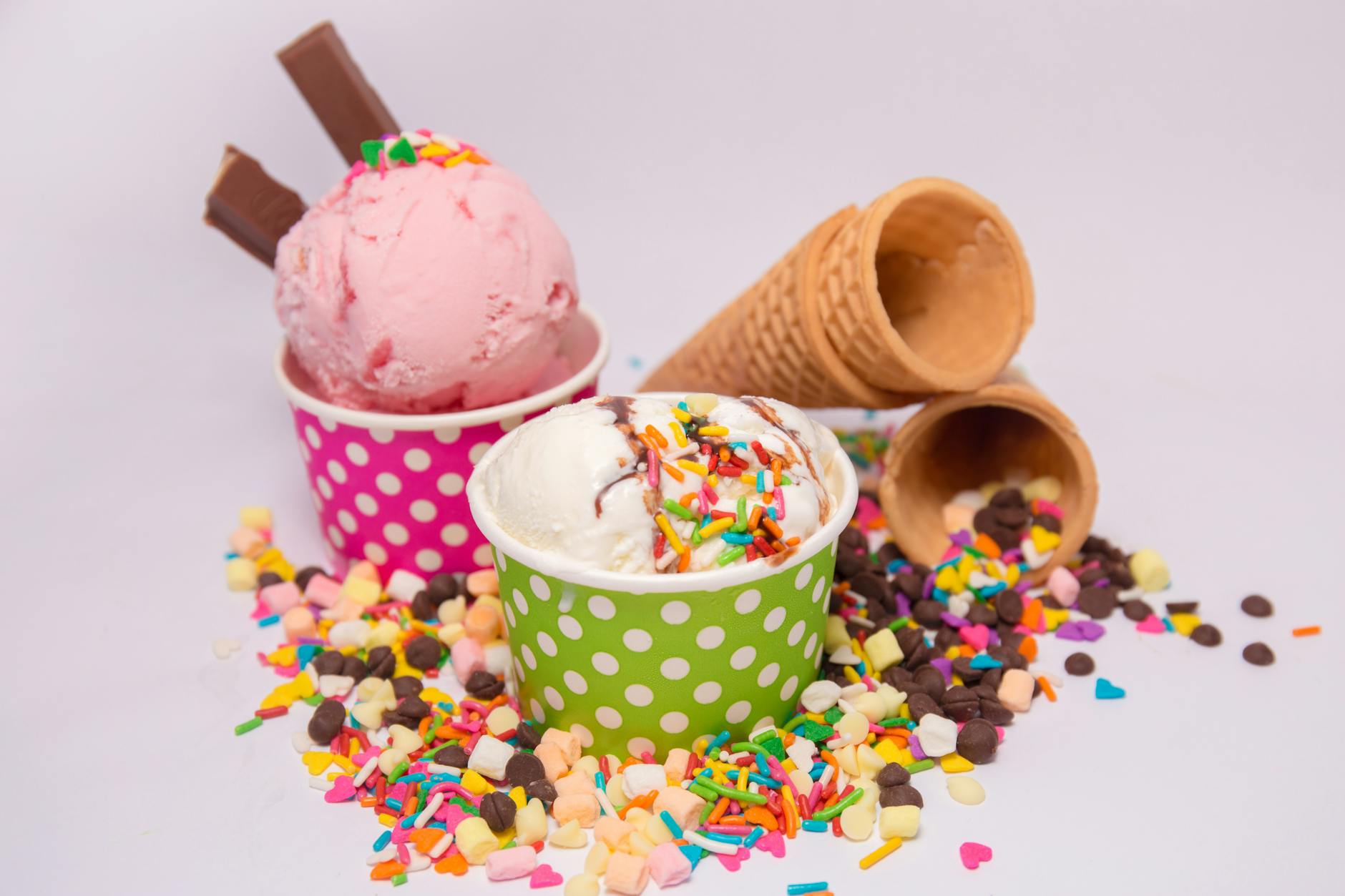
Ice cream is not safe for cats to eat and should be avoided as a treat. The combination of dairy, sugar, and potentially toxic ingredients like chocolate or xylitol makes ice cream a poor choice for feline consumption. While a small lick of plain vanilla ice cream is unlikely to cause serious harm to most cats, the lactose in dairy products can trigger gastrointestinal distress, and the high sugar and fat content offers no nutritional benefit. Consider the case of a cat owner who shared a spoonful of mint chocolate chip ice cream with their pet, only to rush to the emergency vet hours later due to chocolate toxicity symptoms””a preventable situation that underscores why human desserts and cat treats should remain separate categories.
Many cat owners assume that because cats seem to enjoy ice cream, it must be acceptable in moderation. This assumption stems from the misconception that cats can digest dairy like humans do. In reality, most adult cats are lactose intolerant, having lost the enzyme lactase after weaning. The creamy texture and fat content attract cats, not any inherent nutritional need. This article examines why ice cream poses risks to cats, what happens when cats consume dairy, which ingredients are particularly dangerous, and what safe alternatives exist for owners who want to give their cats a cold treat.
Table of Contents
- Why Can’t Cats Digest Ice Cream Like Humans?
- What Happens When a Cat Eats Ice Cream?
- Which Ice Cream Ingredients Are Most Dangerous for Cats?
- Are There Safe Frozen Treats for Cats?
- How Much Ice Cream Would Harm a Cat?
- Can Kittens Have Ice Cream?
- What Should You Do If Your Cat Eats Ice Cream?
- Conclusion
Why Can’t Cats Digest Ice Cream Like Humans?
catprofessor.com/is-yogurt-safe-for-cats-to-eat/” title=”Is Yogurt Safe for Cats to Eat”>cats possess a fundamentally different digestive system than humans, one that evolved to process meat rather than dairy or plant-based foods. Kittens produce lactase to digest their mother’s milk, but this enzyme production decreases dramatically after weaning, typically around eight weeks of age. By adulthood, most cats retain only about 10 percent of their original lactase production, making them functionally lactose intolerant. When lactose reaches the intestines without being properly broken down, it ferments and draws water into the gut, causing diarrhea, bloating, and discomfort.
The comparison between cow’s milk and cat’s milk illustrates why dairy products cause problems. Cat milk contains approximately 10 percent lactose, while cow’s milk contains about 5 percent””seemingly less, but the volume consumed matters. A tablespoon of ice cream might seem small to a human, but for a ten-pound cat, the proportional lactose intake is significant. Some cats show more tolerance than others, which leads owners to believe their particular cat handles dairy well, but subclinical digestive upset often goes unnoticed. The absence of obvious symptoms does not mean the cat’s system is processing dairy efficiently.

What Happens When a Cat Eats Ice Cream?
The immediate effects of ice cream consumption in cats typically manifest within 8 to 12 hours. Symptoms range from mild stomach gurgling and soft stools to severe diarrhea, vomiting, and abdominal pain. The severity depends on the amount consumed, the individual cat’s lactose tolerance, and the specific ingredients in the ice cream. A cat that consumes a significant quantity might experience dehydration from fluid loss, particularly concerning in kittens, elderly cats, or those with underlying health conditions. However, if the ice cream contains chocolate, artificial sweeteners, or certain nuts, the consequences extend beyond digestive upset.
Chocolate contains theobromine and caffeine, both toxic to cats, with darker chocolates posing greater risk. Xylitol, an artificial sweetener found in some sugar-free ice creams, can cause rapid insulin release, leading to hypoglycemia and potential liver failure. Macadamia nuts, another common ice cream addition, cause weakness, vomiting, and hyperthermia in cats. A single serving of the wrong flavor could transform a seemingly harmless indulgence into a veterinary emergency. Owners who suspect their cat has consumed ice cream containing these ingredients should contact a veterinarian immediately rather than waiting for symptoms to appear.
Which Ice Cream Ingredients Are Most Dangerous for Cats?
Chocolate stands as the most well-known toxic ingredient, but the concentration matters significantly. A lick of chocolate ice cream differs dramatically from a cat consuming baker’s chocolate directly. milk chocolate ice cream contains approximately 60 milligrams of theobromine per ounce, while dark chocolate varieties may contain 150 milligrams or more. Clinical signs of toxicity in cats appear at roughly 20 milligrams per pound of body weight, meaning a ten-pound cat consuming two ounces of dark chocolate ice cream enters dangerous territory. Symptoms include restlessness, rapid breathing, muscle tremors, and in severe cases, seizures or cardiac arrhythmias.
Xylitol presents perhaps the most insidious danger because many owners remain unaware of its presence. This sweetener appears in sugar-free and low-calorie ice cream products, often listed under alternative names like birch sugar. Unlike dogs, cats appear less sensitive to xylitol, but the research remains limited, and caution is warranted. Coffee and espresso flavored ice creams contain caffeine, another stimulant toxic to cats, while rum raisin varieties introduce grapes and raisins””fruits known to cause acute kidney failure in some cats. The safest assumption treats any ice cream containing additions beyond plain dairy as potentially harmful.

Are There Safe Frozen Treats for Cats?
Pet food manufacturers have developed cat-specific frozen treats that provide the cooling sensation cats enjoy without the dangerous ingredients. Products made from goat’s milk, which contains less lactose than cow’s milk, or specially formulated lactose-free cat milk offer safer alternatives. These treats typically cost more than sharing human ice cream but eliminate the health risks. Some owners freeze small portions of wet cat food or meat-based baby food (without onion or garlic) to create homemade frozen treats.
The tradeoff between convenience and safety favors dedicated cat products. While grabbing a spoonful from the household ice cream container requires no preparation, the potential veterinary bills from a bad reaction far exceed the cost of cat-safe alternatives. Frozen treats made from pureed pumpkin (plain, not pie filling) or watermelon (seedless) provide hydration and a novel texture without lactose concerns. The key limitation of homemade options involves ensuring ingredients contain no hidden dangers””baby foods sometimes include onion powder, and some fruits contain seeds or compounds harmful to cats. Reading ingredient labels becomes essential regardless of the source.
How Much Ice Cream Would Harm a Cat?
Establishing a toxic threshold proves difficult because individual tolerance varies widely. A tablespoon of plain vanilla ice cream will likely cause nothing more than minor digestive upset in an otherwise healthy adult cat. Repeated exposure or larger quantities increase the risk of cumulative harm, particularly regarding weight gain and potential diabetes development from regular sugar intake. Cats weighing under eight pounds, kittens under six months, and senior cats over twelve years face higher risks from the same quantities that might not visibly affect a healthy adult. The warning for owners involves recognizing that “just a little” adds up over time.
A cat receiving small ice cream tastes weekly consumes significant unnecessary calories and sugar across a year. Feline obesity rates have risen alongside human obesity rates, partly because owners share their foods with pets. A ten-pound cat’s daily caloric need ranges from 180 to 200 calories; a quarter cup of vanilla ice cream contains approximately 130 calories. That single serving represents over half the cat’s daily requirement while providing none of the protein, taurine, or other nutrients cats require. The math alone argues against regular ice cream sharing.

Can Kittens Have Ice Cream?
Kittens present a special case because they still produce lactase and can technically digest some lactose. However, this does not make ice cream appropriate for young cats. Their developing digestive systems remain sensitive, and the sugar and fat content disrupts proper nutrition during critical growth periods.
Kittens fed inappropriate treats may develop preferences that make them refuse nutritionally complete kitten food, leading to deficiencies. A breeder reported a case where well-meaning new owners gave their eight-week-old kitten small tastes of ice cream daily, resulting in chronic soft stools that masked a developing intestinal parasite infection. The kitten’s diarrhea was attributed to the ice cream until the condition worsened significantly. This example demonstrates how inappropriate treats can complicate health assessment and delay necessary treatment.
What Should You Do If Your Cat Eats Ice Cream?
Observation serves as the first response when a cat consumes a small amount of plain ice cream. Monitor for vomiting, diarrhea, lethargy, or changes in appetite over the following 24 hours. Ensure fresh water remains available, as digestive upset increases thirst.
If symptoms appear mild and resolve within a day, veterinary intervention typically proves unnecessary. Immediate veterinary contact becomes essential when the ice cream contains chocolate, xylitol, macadamia nuts, coffee, or alcohol. Do not attempt to induce vomiting without professional guidance, as this can cause additional harm depending on timing and the cat’s condition. Providing the veterinarian with the ice cream’s ingredient list or packaging helps them assess the risk level and recommend appropriate treatment, which might include activated charcoal, IV fluids, or monitoring for specific toxicity signs.
Conclusion
Ice cream fails as a cat treat on multiple fronts: the lactose causes digestive upset, the sugar and fat contribute to obesity and diabetes risk, and common additions like chocolate or artificial sweeteners introduce genuine toxicity concerns. While the internet contains countless photos of cats enjoying ice cream with seemingly no ill effects, these snapshots do not capture the digestive distress that often follows or the long-term health implications of regular treats. The momentary pleasure a cat experiences does not justify the potential harm.
Cat owners seeking to provide cold treats during summer months or as special rewards have safer options available. Commercial cat-specific frozen treats, frozen wet food portions, or approved fruits like seedless watermelon offer the novelty without the risk. Understanding that cats lack the ability to assess what foods harm them places the responsibility squarely on owners to make informed choices. Keeping ice cream as a human-only indulgence protects feline health while still allowing cats to enjoy species-appropriate alternatives.