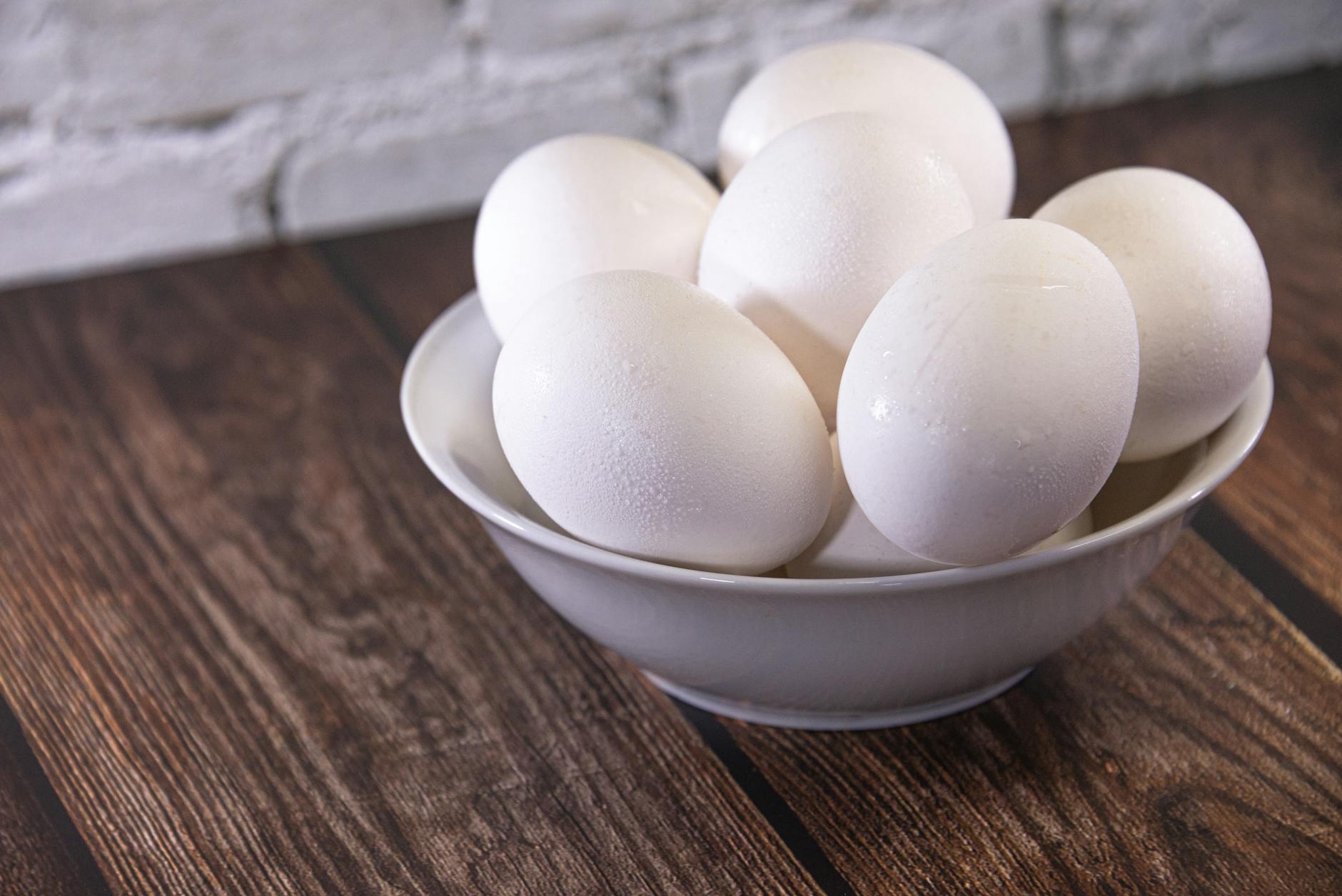
Yes, eggs are generally safe for cats to eat when cooked properly and served in moderation. Eggs provide high-quality protein, essential amino acids, and beneficial nutrients like vitamin B12, riboflavin, and selenium that can supplement a cat’s diet. A typical healthy adult cat can enjoy a small portion of scrambled or hard-boiled egg once or twice a week without issue. For example, mixing a tablespoon of plain scrambled egg into your cat’s regular food can add variety and a protein boost to their meal.
However, the safety of eggs comes with important caveats that every cat owner should understand. Raw eggs pose real health risks, certain cooking methods add harmful ingredients, and some cats may have egg allergies or underlying conditions that make eggs inappropriate. The key is understanding how to prepare eggs correctly and recognizing when they should be avoided entirely. This article covers the nutritional benefits eggs offer cats, the specific risks of raw versus cooked eggs, proper preparation methods, appropriate portion sizes, and signs that your cat may not tolerate eggs well. Whether you are considering eggs as an occasional treat or wondering if they could help an underweight cat, you will find practical guidance for making an informed decision.
Table of Contents
- Can Cats Safely Digest Eggs as Part of Their Diet?
- The Nutritional Benefits Eggs Provide to Cats
- Why Raw Eggs Pose Serious Health Risks for Cats
- Appropriate Serving Sizes and Frequency Guidelines
- Signs Your Cat May Have an Egg Allergy or Intolerance
- Egg Shells as a Calcium Supplement
- When to Avoid Eggs Entirely
- Conclusion
Can Cats Safely Digest Eggs as Part of Their Diet?
catprofessor.com/can-cats-eat-bread-without-getting-sick/” title=”Can Cats Eat Bread Without Getting Sick”>cats are obligate carnivores, meaning their digestive systems evolved specifically to process animal proteins. Eggs fit naturally into this dietary framework because they are a complete animal protein source containing all the essential amino acids cats require. Unlike plant-based proteins that cats struggle to utilize efficiently, the protein in eggs has a biological value of approximately 100, making it one of the most digestible protein sources available. The feline digestive tract handles cooked eggs without difficulty in most cases. Cooking denatures the egg proteins, breaking them down into forms that a cat’s stomach acids and enzymes can readily process.
A cat eating a small portion of plain cooked egg will typically digest it within the normal timeframe for protein-rich foods, experiencing no gastrointestinal upset. Compare this to dairy products like milk, which many adult cats cannot digest properly due to lactose intolerance””eggs present no such widespread digestive barrier. That said, individual cats vary in their digestive capabilities. Senior cats with diminished digestive function, cats with inflammatory bowel disease, or those with chronic pancreatitis may not process the fat content in egg yolks as easily. For these cats, egg whites alone””which contain protein without the fat””may be a safer option, or eggs might need to be avoided altogether pending veterinary guidance.

The Nutritional Benefits Eggs Provide to Cats
Eggs deliver a concentrated package of nutrients that can benefit feline health when incorporated appropriately. A single large egg contains roughly 6 grams of protein, 5 grams of fat, and negligible carbohydrates””a macronutrient profile that aligns well with a cat’s natural dietary needs. The protein supports muscle maintenance, immune function, and tissue repair, while the fats provide energy and help with nutrient absorption. Beyond macronutrients, eggs supply several micronutrients relevant to cat health. Vitamin A supports vision and immune function. B vitamins, particularly B12 and riboflavin, contribute to neurological health and energy metabolism.
Selenium acts as an antioxidant, and choline supports liver function and brain health. The yolk specifically contains vitamin D and omega fatty acids that promote healthy skin and coat condition. However, these benefits come in context. Commercial cat foods formulated to meet AAFCO standards already provide complete and balanced nutrition. Eggs should function as a supplement or treat rather than a dietary staple. A cat receiving most of its calories from eggs instead of balanced cat food would eventually develop nutritional deficiencies, particularly in taurine, an amino acid cats cannot synthesize and that eggs contain in only limited amounts. Think of eggs as a beneficial addition, not a replacement for proper cat food.
Why Raw Eggs Pose Serious Health Risks for Cats
Raw eggs introduce two distinct hazards that cooked eggs eliminate: bacterial contamination and a protein called avidin. Both concerns are significant enough that veterinarians consistently advise against feeding raw eggs to cats despite the growing popularity of raw feeding philosophies. Salmonella and E. coli bacteria can contaminate raw eggs, both on the shell surface and within the egg itself. While cats have more acidic stomachs than humans and some resistance to these pathogens, they are not immune. A cat infected with salmonella may develop fever, vomiting, diarrhea, lethargy, and loss of appetite. More concerning, infected cats can shed bacteria in their feces for weeks, creating a transmission risk to humans in the household””particularly dangerous for young children, elderly individuals, or immunocompromised family members. Avidin presents a different problem. This protein, found in raw egg whites, binds to biotin (vitamin B7) and prevents its absorption. A cat regularly consuming raw egg whites can develop biotin deficiency over time, leading to skin problems, dull coat, and metabolic issues. Cooking deactivates avidin completely, eliminating this concern.
One common misconception is that farm-fresh or organic eggs are safe raw””they are not. The bacterial and avidin risks exist regardless of the egg’s source or how the laying hens were raised. ## How to Properly Prepare Eggs for Your Cat The safest preparation methods for feline consumption are simple: hard-boiled, soft-boiled, scrambled, or poached eggs cooked without any additives. The goal is thorough cooking to eliminate bacteria and deactivate avidin while avoiding ingredients that could harm your cat. When scrambling eggs for your cat, use no oil, butter, salt, pepper, onion, garlic, or cheese. Cook them in a non-stick pan over low heat, stirring until fully set with no runny portions remaining. Hard-boiled eggs offer convenience””cook them for 10 to 12 minutes in boiling water, then peel and chop or mash a small portion. The comparison between these methods comes down to convenience versus palatability; many cats prefer the texture and smell of warm scrambled eggs over cold hard-boiled pieces. Avoid fried eggs cooked in oil or butter, as the added fats can cause digestive upset and contribute to obesity over time. Similarly, never give your cat eggs prepared as part of a human dish containing seasonings, cheese, or vegetables. Onions and garlic, common in many egg dishes, are toxic to cats even in small amounts. When in doubt, prepare a separate small portion specifically for your cat before adding any ingredients to your own serving.

Appropriate Serving Sizes and Frequency Guidelines
Portion control matters significantly when adding eggs to your cat’s diet. Despite their nutritional value, eggs are calorie-dense, and overfeeding can lead to weight gain and nutritional imbalance. A general guideline is that treats of any kind, including eggs, should comprise no more than 10 percent of a cat’s daily caloric intake. For an average 10-pound adult cat requiring approximately 200 calories daily, this means egg portions should not exceed 20 calories. One large egg contains about 70 calories, so appropriate serving sizes fall between one-quarter and one-third of a whole egg per serving.
In practical terms, that translates to one to two tablespoons of scrambled egg or a few small pieces of chopped hard-boiled egg. Offering eggs once or twice per week provides variety without excess. The tradeoff to consider involves what the egg portion displaces. If you add egg to your cat’s regular food without reducing the food quantity, you are adding calories that may lead to gradual weight gain. If you reduce the cat food to accommodate the egg calories, you are potentially reducing intake of the balanced nutrition that commercial food provides. The safest approach treats eggs as an occasional special addition rather than a routine dietary component, minimizing both caloric excess and nutritional dilution.
Signs Your Cat May Have an Egg Allergy or Intolerance
While egg allergies in cats are relatively uncommon, they do occur and warrant recognition. Food allergies typically develop after repeated exposure, meaning a cat might eat eggs without incident for months before an allergy manifests. Symptoms can appear within hours of eating eggs or may develop gradually with continued exposure. Watch for gastrointestinal symptoms including vomiting, diarrhea, excessive gas, or loss of appetite following egg consumption. Skin-related signs often appear with food allergies””itching, especially around the head and neck, hair loss, skin redness, or the development of small scabs or bumps.
Less commonly, respiratory symptoms like sneezing or wheezing may occur. If you observe any of these reactions after your cat eats eggs, discontinue feeding eggs immediately and consult your veterinarian. Diagnosing a food allergy definitively requires an elimination diet conducted under veterinary supervision, which involves feeding a novel or hydrolyzed protein diet for 8 to 12 weeks, then reintroducing suspected allergens one at a time. This process is the only reliable method””blood tests for food allergies in cats are available but have poor accuracy. The warning here is to avoid self-diagnosing and repeatedly testing whether your cat reacts to eggs; if an allergy is suspected, proper veterinary guidance prevents unnecessary discomfort for your cat.

Egg Shells as a Calcium Supplement
Some cat owners grind egg shells to powder and add them to homemade cat food as a calcium supplement. This practice can be appropriate under specific circumstances but carries caveats worth understanding. Egg shells are approximately 95 percent calcium carbonate, making them a viable calcium source when balanced correctly with phosphorus in the diet.
For cats eating commercial cat food, egg shell supplementation is unnecessary and potentially harmful. Commercial foods are already calcium-balanced, and adding more can disrupt the calcium-to-phosphorus ratio, potentially causing skeletal or urinary problems over time. The appropriate application is in homemade cat food recipes formulated by a veterinary nutritionist””these recipes often call for specific amounts of egg shell powder to achieve correct mineral balance. Grinding shells finely is essential; coarse shell fragments can irritate or injure the digestive tract.
When to Avoid Eggs Entirely
Certain health conditions make eggs an inappropriate food for some cats regardless of preparation method. Cats with pancreatitis, either acute or chronic, should avoid the fat content in egg yolks, which can trigger painful flare-ups. Cats with kidney disease on phosphorus-restricted diets need to limit eggs due to their phosphorus content.
Obese cats on weight-loss programs may need all treats, including eggs, eliminated to achieve caloric restriction goals. Looking forward, any cat newly diagnosed with a health condition should have their treat and supplement routine reviewed with their veterinarian. What was safe before diagnosis may no longer be appropriate. Additionally, cats on prescription diets for conditions like urinary crystals, diabetes, or food allergies should not receive eggs or any other supplemental foods without explicit veterinary approval, as these additions can undermine the therapeutic purpose of the prescription diet.
Conclusion
Eggs can be a safe, nutritious occasional treat for most healthy adult cats when cooked thoroughly and served plain in appropriate portions. They offer high-quality protein and beneficial nutrients that complement a cat’s carnivorous dietary needs. The key precautions involve always cooking eggs completely, avoiding any seasonings or additives, limiting portions to about one tablespoon once or twice weekly, and monitoring for any signs of allergic reaction.
The risks associated with eggs””bacterial contamination from raw eggs, potential allergies, and excess calories””are manageable with proper preparation and portion awareness. Before introducing eggs to your cat’s diet, consider your individual cat’s health status and consult your veterinarian if your cat has any chronic conditions. When offered thoughtfully, eggs can add welcome variety to your cat’s routine while contributing beneficial nutrition.