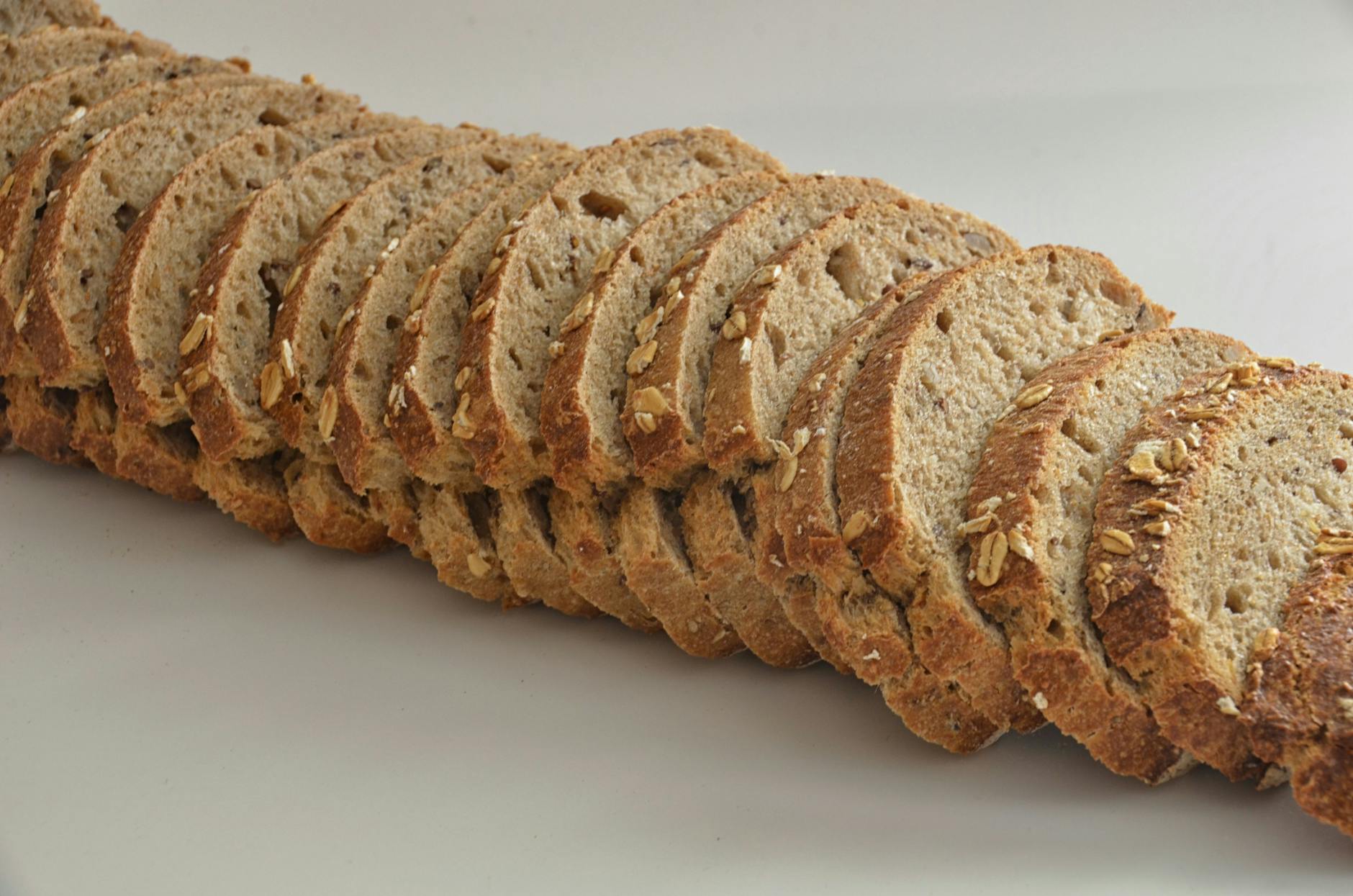
Yes, cats can eat plain baked bread without getting sick, but only in small amounts as an occasional treat. A piece about the size of a quarter-inch square is considered safe for most healthy cats, according to veterinary nutritionists at PetMD. The bread itself contains nothing toxic to felines, so if your cat sneaks a bite of your sandwich or shows interest in your morning toast, there is no need to panic. However, bread offers zero nutritional benefit to cats and should never become a regular part of their diet. The reason bread is merely tolerated rather than recommended comes down to feline biology.
Cats are obligate carnivores, meaning their bodies are designed to derive nutrition from meat, not grains. When a cat eats bread, those calories displace the protein and nutrients they actually need. Consider this perspective from Hill’s Pet: a single slice of white bread accounts for roughly one-fifth of a cat’s entire daily caloric requirement. That makes even small amounts nutritionally significant for an animal that typically weighs between eight and twelve pounds. This article explores which types of bread are dangerous, why raw dough poses a life-threatening risk, and which cats should avoid bread entirely due to underlying health conditions. Understanding these distinctions can help you make informed decisions about what treats are appropriate for your feline companion.
Table of Contents
- Is Bread Safe for Cats to Eat Regularly?
- Types of Bread That Are Dangerous for Cats
- The Life-Threatening Danger of Raw Bread Dough
- How Much Bread Can You Safely Give a Cat?
- Cats That Should Never Eat Bread
- Signs Your Cat May Have Eaten Too Much Bread
- Making Informed Choices About Cat Treats
- Conclusion
Is Bread Safe for Cats to Eat Regularly?
While plain baked bread will not poison your cat, feeding it regularly creates problems that go beyond simple nutrition. Bread provides what veterinarians call “empty calories,” meaning it fills your cat up without delivering any of the amino acids, vitamins, or minerals essential to feline health. Over time, cats that eat bread frequently may gain weight while simultaneously missing out on proper nutrition from their regular food. The comparison becomes stark when you examine portion sizes relative to body weight. For a 10-pound cat, that single slice of bread representing one-fifth of daily calories would be equivalent to a 150-pound human eating roughly six slices in terms of caloric impact.
When viewed this way, even a quarter-slice “treat” starts to look substantial. Cats that receive bread regularly, especially alongside other treats, can quickly exceed their caloric needs and develop obesity-related health issues. However, if your cat only receives a tiny piece of bread once every few weeks, the nutritional displacement is negligible. The key distinction is frequency and portion size. An occasional small morsel given as a rare treat differs dramatically from making bread a habitual snack.
Types of Bread That Are Dangerous for Cats
Not all bread is created equal when it comes to feline safety, and some varieties contain ingredients that are genuinely toxic. Garlic bread tops the list of breads to avoid entirely. Garlic is poisonous to cats even in relatively small quantities, causing oxidative damage to red blood cells that can lead to anemia. A cat that eats garlic bread should be monitored for symptoms like lethargy, pale gums, and weakness, and a veterinarian should be contacted if more than a small amount was consumed. Onion-containing breads present similar dangers, as onions belong to the same allium family as garlic and cause the same type of red blood cell damage.
Breads with raisins are another serious concern because grapes and raisins can cause acute kidney failure in cats, sometimes from ingesting just a few pieces. Banana bread, while it might seem harmless, typically contains high sugar content and often includes cinnamon, which can irritate a cat’s mouth and digestive system. The limitation here is that ingredient lists on commercial bread products do not always make these dangers obvious. Onion powder might be listed as “natural flavors,” and many specialty breads contain garlic in forms that are not immediately apparent. When in doubt about a bread’s ingredients, keeping it away from your cat is the safer approach.
The Life-Threatening Danger of Raw Bread Dough
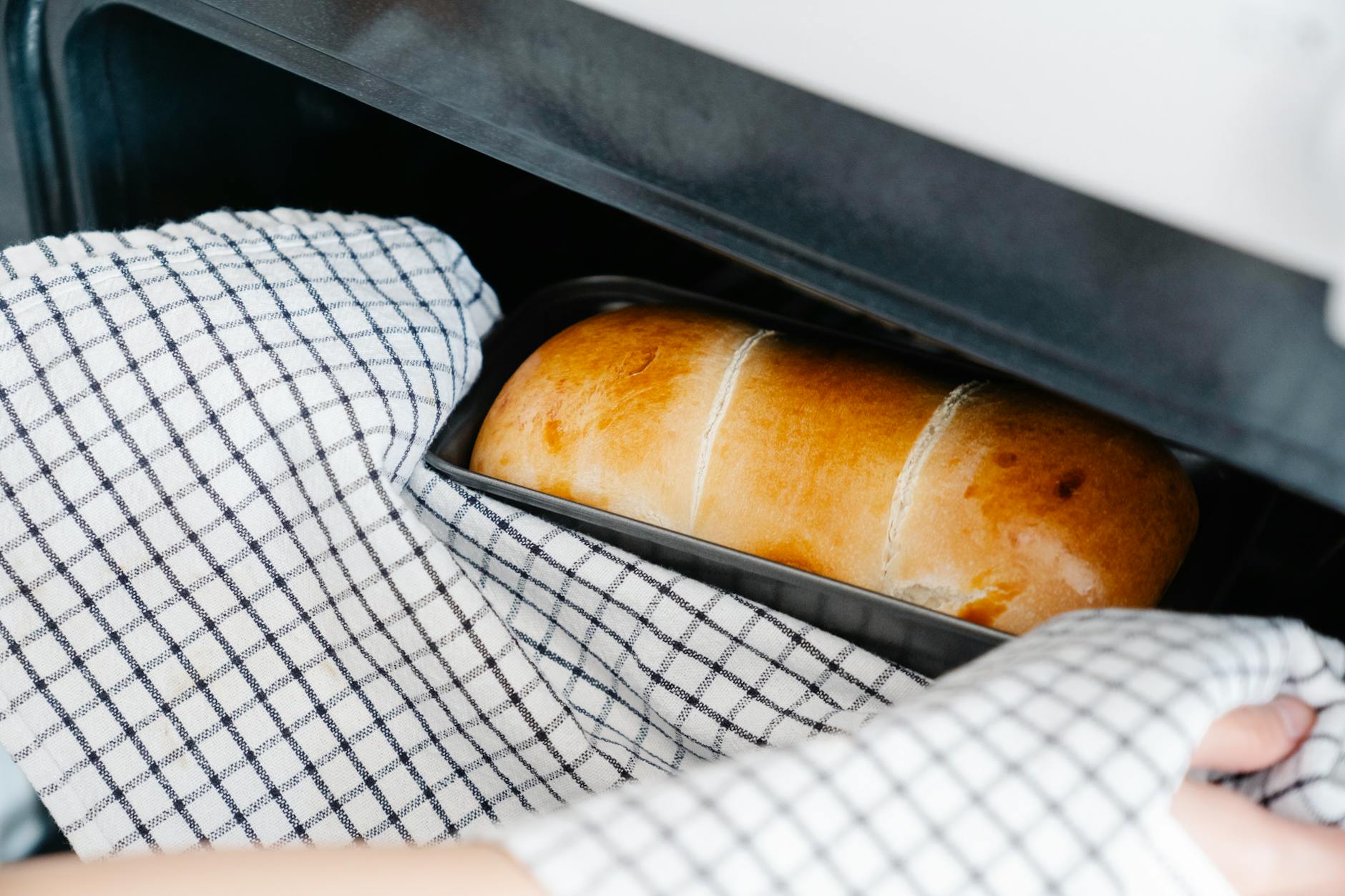
Raw bread dough represents a genuinely life-threatening hazard that every cat owner should understand. Unlike baked bread, which is merely nutritionally empty, unbaked dough containing yeast can cause severe medical emergencies requiring immediate veterinary attention and sometimes surgery. The danger is twofold. First, raw dough continues to rise inside a cat’s warm stomach, expanding and causing painful bloating and distension. In severe cases, this expansion can twist the stomach or block the digestive tract, creating a surgical emergency. Second, as the yeast ferments, it produces ethanol as a byproduct.
This alcohol is absorbed into the cat’s bloodstream, causing intoxication that can progress to seizures, respiratory distress, coma, and death. For example, a cat that consumes raw pizza dough left rising on a counter might show symptoms within 30 minutes to two hours. Early signs include vomiting, bloated abdomen, lack of coordination, and disorientation. Because the dough continues expanding and producing alcohol, symptoms can worsen rapidly. If you suspect your cat has eaten raw dough, do not wait for symptoms to appear. Contact your veterinarian or an emergency animal hospital immediately, as early intervention significantly improves outcomes.
How Much Bread Can You Safely Give a Cat?
The recommended serving size from veterinary sources is approximately a quarter-inch square piece, given only occasionally. This tiny amount minimizes caloric impact while still allowing your cat to enjoy the treat. To put this in practical terms, you could give your cat roughly four or five such pieces before reaching the equivalent of a single slice of bread. Comparing bread to other cat treats reveals an interesting tradeoff. Commercial cat treats are formulated to be low-calorie and often include added vitamins or dental benefits.
A comparable portion of commercial treats typically contains fewer calories than bread while providing some nutritional value. However, bread does have one advantage: it contains no artificial additives or preservatives that some commercial treats include. For owners concerned about processed ingredients, a tiny piece of plain, homemade bread might seem more appealing than manufactured treats. The practical approach is treating bread as you would any occasional indulgence. It should not replace proper cat treats entirely, nor should it become a daily habit. Keeping treats of all types to less than 10 percent of your cat’s daily caloric intake helps maintain nutritional balance regardless of what treat you choose.
Cats That Should Never Eat Bread
Certain health conditions make bread inappropriate regardless of portion size. Cats diagnosed with diabetes should not receive bread because the carbohydrates cause blood sugar spikes that complicate insulin management. Even a small piece can disrupt the careful balance owners and veterinarians work to maintain through diet and medication. Kidney disease presents another contraindication. Cats with compromised kidney function benefit from carefully controlled diets, and introducing empty calories from bread can interfere with therapeutic nutrition plans.
Similarly, cats with heart disease often require sodium-restricted diets, and many commercial breads contain significant amounts of salt that could worsen their condition. The warning extends to cats with digestive sensitivities or inflammatory bowel conditions. While not universally problematic, bread can trigger gastrointestinal upset in cats with sensitive stomachs. If your cat has a history of vomiting, diarrhea, or digestive issues, introducing bread even in small amounts risks triggering a flare-up. When in doubt, consulting your veterinarian before offering any human food to a cat with known health issues is always advisable.
Signs Your Cat May Have Eaten Too Much Bread
Overconsumption of bread typically manifests as gastrointestinal distress within a few hours. Watch for vomiting, diarrhea, decreased appetite, or visible abdominal discomfort.
Most cats that eat too much plain bread will recover on their own within 24 hours, but persistent symptoms warrant veterinary attention. For example, a cat that raids an unattended breadbasket and consumes several slices might experience constipation from the dense, starchy mass, or conversely might develop diarrhea as their digestive system struggles with the unusual food. Monitoring litter box habits for the next day or two provides useful information about how your cat is processing the excess carbohydrates.
Making Informed Choices About Cat Treats
The broader question of what treats to offer cats extends beyond bread to encompass overall feline nutrition philosophy. Cats evolved as hunters eating prey animals whole, obtaining complete nutrition from muscle meat, organs, and bones. Modern cat foods attempt to replicate this nutritional profile, and treats ideally should complement rather than undermine that balance.
Looking forward, the trend in feline nutrition emphasizes species-appropriate foods that align with cats’ carnivorous biology. While the occasional piece of plain bread will not harm a healthy cat, it represents a departure from what cats are designed to eat. Owners who want to treat their cats might consider small pieces of cooked plain chicken, commercial freeze-dried meat treats, or other protein-based options that satisfy the desire to give treats while providing some nutritional value. Understanding that bread is safe but not beneficial helps put it in proper perspective as one of many treat options, rather than a regular dietary component.
Conclusion
Cats can eat plain baked bread without getting sick, provided the portion is small and the bread contains no toxic ingredients like garlic, onion, or raisins. A quarter-inch square piece given occasionally poses no health risk to most healthy cats, though it provides no nutritional benefit either. The real dangers lie in flavored breads containing harmful ingredients and in raw bread dough, which can cause life-threatening bloating and alcohol toxicity.
For cat owners, the practical takeaway is that bread falls into the category of “harmless but pointless” when it comes to feline nutrition. If your cat enjoys an occasional tiny bite, there is no reason to refuse, but there is also no reason to actively offer it. Cats with diabetes, kidney disease, or heart conditions should avoid bread entirely. When choosing treats for your cat, options that provide protein or other nutritional benefits serve your pet better than empty carbohydrate calories.