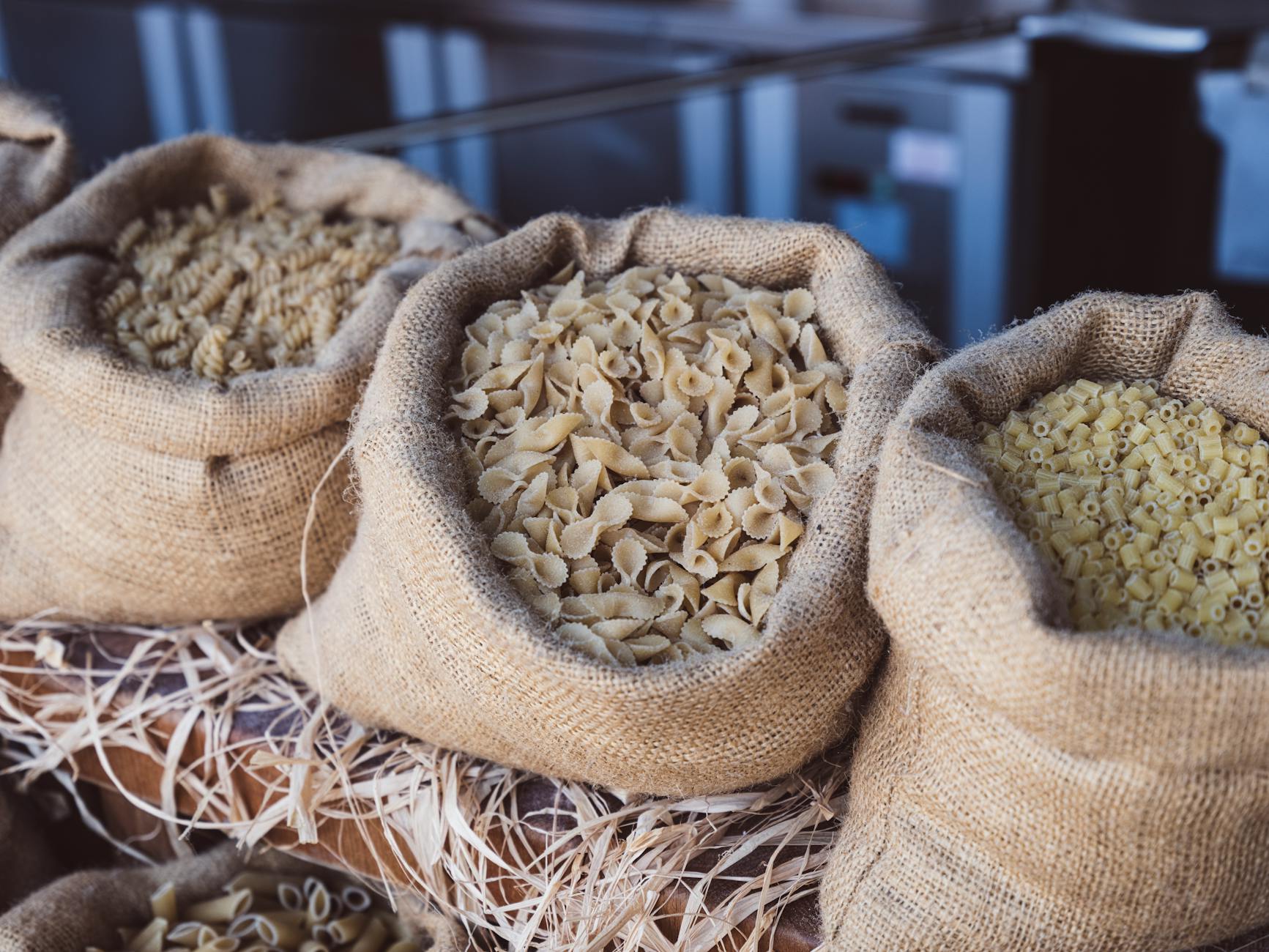
Plain, cooked pasta is generally safe for cats to eat in very small amounts, but it offers no nutritional benefit and should never become a regular part of your cat’s diet. Cats are obligate carnivores, meaning their bodies are designed to process meat, not carbohydrates like wheat-based pasta. A few bites of plain spaghetti that fell on the floor won’t send your cat to the emergency vet, but the key word here is “plain” “” pasta with sauce, garlic, onions, or cheese can range from mildly upsetting to genuinely toxic for felines. Consider this common scenario: you’re draining a pot of pasta and a few noodles slip onto the kitchen floor, where your curious cat immediately investigates.
If those noodles are unseasoned and your cat takes a nibble or two, there’s no cause for alarm. However, if your cat got into leftover pasta carbonara loaded with garlic, cream, and cheese, you’d want to monitor for digestive upset and potentially call your veterinarian. The danger with pasta isn’t usually the noodles themselves but everything we add to make them delicious for humans. This article examines why pasta lacks nutritional value for cats, which ingredients commonly paired with pasta are dangerous, how much pasta is too much, and what to do if your cat develops a pasta obsession. We’ll also explore better treat alternatives and signs that your cat may have eaten something they shouldn’t have.
Table of Contents
- Can Cats Safely Digest Pasta and Wheat Products?
- Why Pasta Sauce Ingredients Are Dangerous for Cats
- How Much Pasta Can a Cat Eat Without Getting Sick?
- What to Do If Your Cat Ate Pasta with Garlic or Onion
- Why Some Cats Develop Unusual Cravings for Pasta and Bread
- Healthier Treat Alternatives That Satisfy Curious Cats
- When Repeated Pasta Consumption Signals a Larger Problem
- Conclusion
Can Cats Safely Digest Pasta and Wheat Products?
cats can physically digest small amounts of cooked pasta, but their digestive systems aren’t optimized for processing grains and carbohydrates. Unlike humans and dogs, cats have limited amylase production “” the enzyme responsible for breaking down starches. This means that while pasta won’t necessarily make your cat sick, their body has to work harder to process it and extracts minimal nutritional value in return. The wheat in most pasta also presents a potential issue for some cats. While true gluten allergies are relatively rare in felines, some cats do develop sensitivities to wheat and grains that manifest as skin irritation, digestive upset, or chronic ear infections.
If your cat has never eaten pasta before and you notice itching, vomiting, or diarrhea in the hours following consumption, wheat sensitivity could be the culprit. Compared to meat-based treats that align with a cat’s natural dietary needs, pasta is essentially empty calories that take up stomach space without providing the protein, taurine, or fatty acids cats require. raw pasta presents additional concerns beyond digestibility. Uncooked noodles are hard and can be difficult for cats to chew properly, potentially creating a choking hazard or causing digestive blockages if swallowed in larger pieces. The dense, dry texture also expands when exposed to moisture in the stomach, which can cause discomfort and bloating.
Why Pasta Sauce Ingredients Are Dangerous for Cats
The real danger when cats eat pasta usually lies in the accompanying sauce and seasonings rather than the noodles themselves. Garlic and onions, found in nearly every pasta sauce from marinara to alfredo, are toxic to cats and can cause oxidative damage to red blood cells, leading to a condition called Heinz body anemia. Even small amounts consumed regularly can accumulate and cause problems over time. Tomato-based sauces present a complicated picture. Ripe, red tomatoes in small quantities are generally considered non-toxic to cats, but green tomatoes and tomato plant material contain solanine, which is poisonous. Additionally, commercial pasta sauces typically contain high levels of salt, sugar, and preservatives that are unhealthy for cats.
A cat who regularly consumes salty foods faces increased risk of sodium ion poisoning, kidney stress, and dehydration. However, if your cat licks a tiny bit of plain tomato sauce off the floor once, you likely don’t need to rush to the vet “” just monitor for any unusual symptoms. cream-based sauces like alfredo introduce another issue: most adult cats are lactose intolerant. Kittens produce lactase to digest their mother’s milk, but this enzyme production typically decreases after weaning. Feeding your cat pasta covered in cream sauce, cheese, or butter often results in diarrhea, gas, and abdominal discomfort. The combination of dairy, garlic, and high fat content in something like fettuccine alfredo makes it one of the worst pasta dishes your cat could accidentally consume.
How Much Pasta Can a Cat Eat Without Getting Sick?
If you’re determined to share a bite of pasta with your cat, portion control is critical. A piece or two of plain, cooked pasta “” roughly the size of your cat’s kibble “” represents the maximum that veterinary nutritionists would consider acceptable as an occasional treat. This means one or two small pieces, not a tablespoon or a handful. To put this in perspective, a ten-pound cat needs approximately 200-250 calories per day, and a single cup of cooked pasta contains around 200 calories. Even a quarter cup of pasta would represent a significant portion of your cat’s daily caloric intake.
Treats of any kind, including pasta, should make up no more than ten percent of your cat’s daily caloric intake according to most veterinary guidelines. When you factor in that pasta provides no beneficial nutrients for cats, those treat calories are better spent on options that at least offer some nutritional value “” like small pieces of cooked chicken or commercial cat treats formulated with added taurine and vitamins. The tradeoff is clear: pasta fills your cat up without nourishing them, potentially displacing appetite for nutritionally complete cat food. Frequency matters as much as quantity. A cat who steals a noodle once every few months faces virtually no health risk from the pasta itself. A cat whose owner regularly shares pasta dinners could develop weight problems, nutritional deficiencies from eating less of their balanced cat food, or digestive issues from repeated exposure to ingredients their system wasn’t designed to handle.
What to Do If Your Cat Ate Pasta with Garlic or Onion
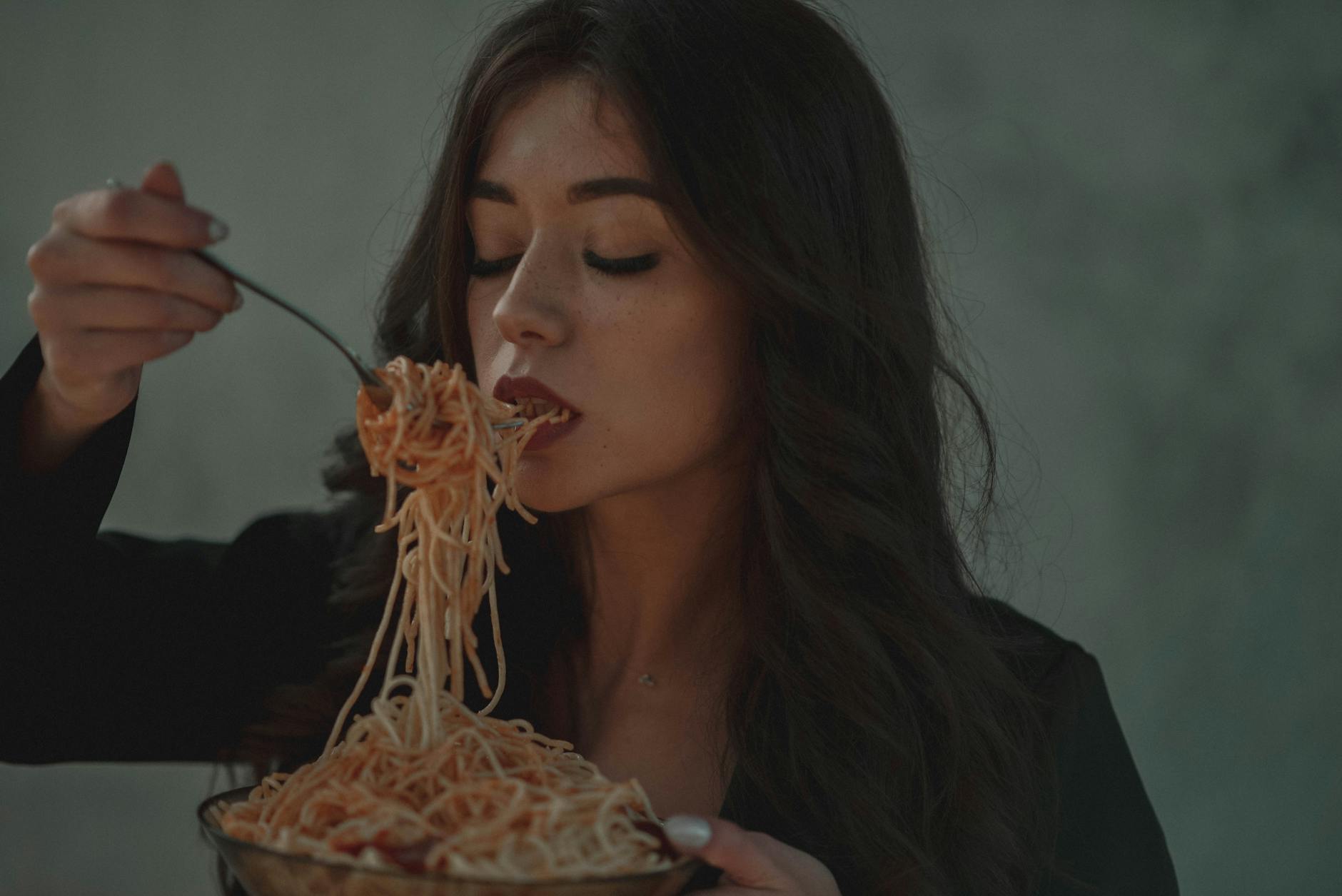
If your cat consumed pasta that contained garlic, onion, or other potentially toxic ingredients, your response should depend on the amount eaten and the specific ingredients involved. For a single lick of sauce, monitoring at home is usually sufficient “” watch for vomiting, diarrhea, lethargy, or loss of appetite over the next 24 hours. However, if your cat ate a significant portion of garlicky pasta or you notice any concerning symptoms, contact your veterinarian or an animal poison control hotline immediately. Garlic toxicity symptoms may not appear immediately and can take several days to manifest as the red blood cell damage accumulates. Early signs include vomiting and diarrhea, but more serious symptoms like pale gums, rapid breathing, weakness, and collapse indicate anemia and require emergency veterinary care.
When you call your vet, be prepared to describe exactly what your cat ate, approximately how much, and when the consumption occurred. This information helps veterinary staff assess the urgency and recommend appropriate treatment. Compared to dogs, cats are actually more sensitive to allium toxicity (the family that includes garlic and onions) on a per-pound basis. While a dog might need to consume a larger quantity to experience toxic effects, cats can be affected by relatively small amounts. There’s no safe amount of garlic for cats, so any pasta dish seasoned with garlic powder, fresh garlic, or garlic-containing sauces should be kept well out of paw’s reach.
Why Some Cats Develop Unusual Cravings for Pasta and Bread
Cats who seem obsessed with pasta, bread, or other carbohydrate-rich foods are displaying a behavior that puzzles many owners, given that cats are carnivores. Several theories explain this attraction. Some researchers suggest cats may be drawn to the yeast smell in bread products or the warm, doughy texture that reminds them of prey body temperature. Others point to the fat content in buttered pasta or the salt that enhances flavor even for feline taste buds. However, unusual food cravings can sometimes indicate underlying health issues that warrant veterinary attention.
Cats with diabetes, hyperthyroidism, or intestinal parasites may display increased appetite or seek out unusual foods as their bodies struggle to maintain proper nutrition. A cat who suddenly starts obsessing over carbohydrates when they previously showed no interest might benefit from a wellness exam to rule out metabolic conditions. Similarly, if your cat is eating non-food items like plastic pasta packaging along with food, this could indicate pica “” a condition sometimes linked to nutritional deficiencies, stress, or other health problems. For healthy cats who simply enjoy the taste or texture of pasta, the limitation is clear: wanting something doesn’t make it good for them. Owners need to set boundaries and not let their cat’s enthusiasm override sound nutritional judgment.
Healthier Treat Alternatives That Satisfy Curious Cats
Cats who enjoy the experience of eating human food can often be redirected to safer options that actually provide nutritional benefits. Plain, cooked chicken or turkey without seasoning offers protein that aligns with feline dietary needs. Small pieces of cooked fish like salmon provide omega-3 fatty acids that support skin and coat health. These meat-based treats satisfy a cat’s carnivorous instincts while providing nutrients their body can actually use.
For example, instead of sharing your pasta dinner, you might set aside a small piece of unseasoned chicken breast before you add it to your pasta dish. Your cat gets the experience of sharing mealtime with you, and you get the peace of mind knowing you’re not compromising their health. Commercial cat treats designed for training or bonding also offer a controlled way to indulge your cat without the uncertainty of human food ingredients. The tradeoff with any treat remains the same: moderation is essential, and treats should complement rather than replace nutritionally complete cat food.
When Repeated Pasta Consumption Signals a Larger Problem
Cats who repeatedly manage to access pasta or other unsafe foods despite owner efforts may be signaling a problem beyond simple curiosity. Free-roaming cats who steal food from counters or plates often do so because their own feeding routine isn’t meeting their needs “” whether that’s insufficient calorie intake, boring food that doesn’t engage their interest, or meal timing that leaves them hungry when humans are eating.
Reviewing your cat’s feeding routine with your veterinarian can help identify whether your cat is genuinely hungry, bored with their current food, or just exceptionally food-motivated by nature. Interactive feeders, puzzle toys, and measured meal feeding rather than free-choice kibble can help address both physical hunger and the mental stimulation some cats seek through food-stealing behavior. Looking forward, the pet food industry continues developing novel protein sources and formulations designed to keep cats satisfied and engaged with their own meals, reducing the temptation to sample human food.
Conclusion
Plain, cooked pasta in tiny amounts won’t harm a healthy cat, but it offers nothing beneficial and the risks multiply quickly when seasonings, sauces, and common ingredients like garlic and dairy enter the picture. Understanding that cats are obligate carnivores helps clarify why pasta should remain an occasional accident rather than a deliberate treat “” their bodies simply aren’t designed to process and benefit from carbohydrate-heavy foods.
The safest approach is keeping pasta dishes out of your cat’s reach and offering meat-based alternatives when you want to share food together. If your cat does consume pasta with concerning ingredients, monitor for symptoms and don’t hesitate to contact your veterinarian. Building awareness about which human foods are genuinely dangerous versus merely unhelpful empowers you to make quick, informed decisions when your curious cat inevitably investigates something they shouldn’t.