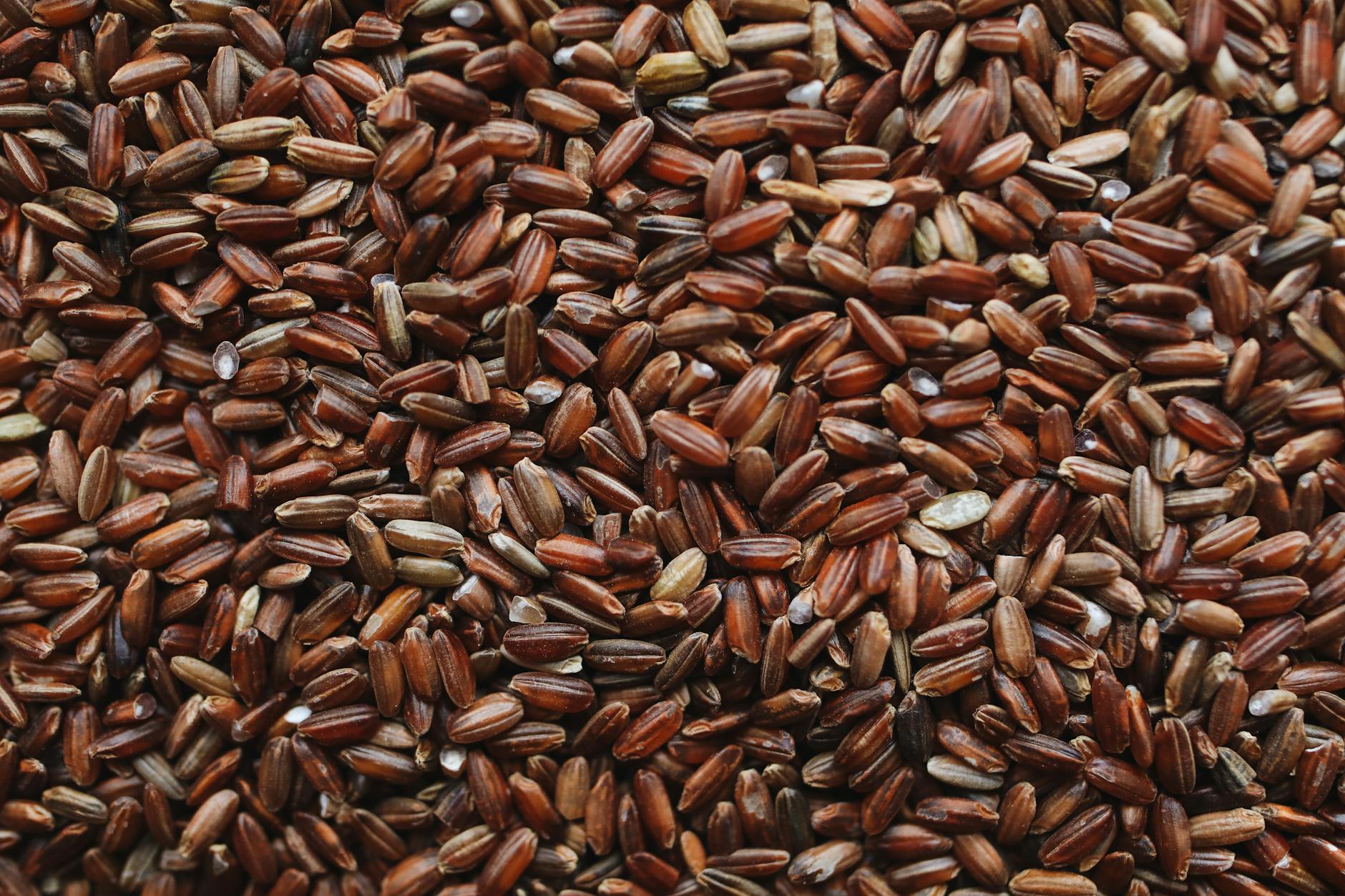
Yes, cats can eat rice safely in small amounts. Plain, fully cooked white or brown rice is non-toxic to cats and can occasionally serve as a bland addition to their diet, particularly when a cat is experiencing mild digestive upset. A cat recovering from a stomach bug, for instance, might benefit from a tablespoon of plain cooked rice mixed with boiled chicken as an easily digestible meal recommended by many veterinarians as a short-term solution. However, rice should never become a regular part of a cat’s diet or replace their primary nutrition.
Cats are obligate carnivores, meaning their bodies are designed to derive essential nutrients from animal protein, not grains. Rice lacks the amino acids, fatty acids, and vitamins that cats require for long-term health. Feeding rice too frequently or in large quantities can lead to nutritional deficiencies and weight gain without providing meaningful benefits. This article explores the nuances of feeding rice to cats, including the differences between white and brown rice, appropriate serving sizes, situations where rice might help or harm your cat, and how to prepare it properly. Understanding these details will help you make informed decisions about whether rice belongs in your cat’s bowl.
Table of Contents
- Is Rice a Safe Food for Cats to Consume?
- Nutritional Value of Rice for Feline Diets
- When Veterinarians Recommend Rice for Cats
- Risks and Potential Problems with Feeding Cats Rice
- Comparing Rice to Other Human Foods for Cats
- The Role of Grains in Commercial Cat Food
- Conclusion
Is Rice a Safe Food for Cats to Consume?
Rice is generally considered safe for cats when served plain and thoroughly cooked. Unlike foods such as onions, garlic, or chocolate, rice contains no compounds that are inherently toxic to felines. The ASPCA does not list rice among foods harmful to cats, and many commercial cat foods actually include rice as a filler ingredient. This baseline safety makes rice one of the few human foods that cat owners can offer without immediate concern for poisoning. The safety of rice depends entirely on preparation and context. Plain rice cooked in water presents no danger, but rice prepared with butter, salt, garlic, onions, or seasonings can cause problems ranging from digestive upset to genuine toxicity.
A cat who sneaks a few grains of plain rice from your plate faces no health threat, whereas a cat who eats rice pilaf seasoned with onion and garlic could develop hemolytic anemia from the allium compounds. The distinction matters significantly. Comparing rice to other grains reveals its relative safety advantage. Wheat can trigger gluten sensitivities in some cats, and corn is a common allergen. Rice allergies in cats are rare, making it a useful option when pet owners need to identify food sensitivities through elimination diets. Veterinary dermatologists sometimes recommend rice-based diets during allergy testing specifically because rice causes fewer reactions than other grains.
Nutritional Value of Rice for Feline Diets
Rice provides carbohydrates, small amounts of protein, and minimal fat, but these nutrients align poorly with feline nutritional requirements. A cat‘s digestive system evolved to process meat, not grains, and lacks the metabolic pathways to efficiently convert plant carbohydrates into usable energy. While humans and dogs produce significant amounts of salivary amylase to begin breaking down starches in the mouth, cats produce almost none, reflecting their carnivorous ancestry. The protein in rice is incomplete from a feline perspective. Cats require eleven essential amino acids, including taurine, arginine, and methionine, which must come from their diet because their bodies cannot synthesize them.
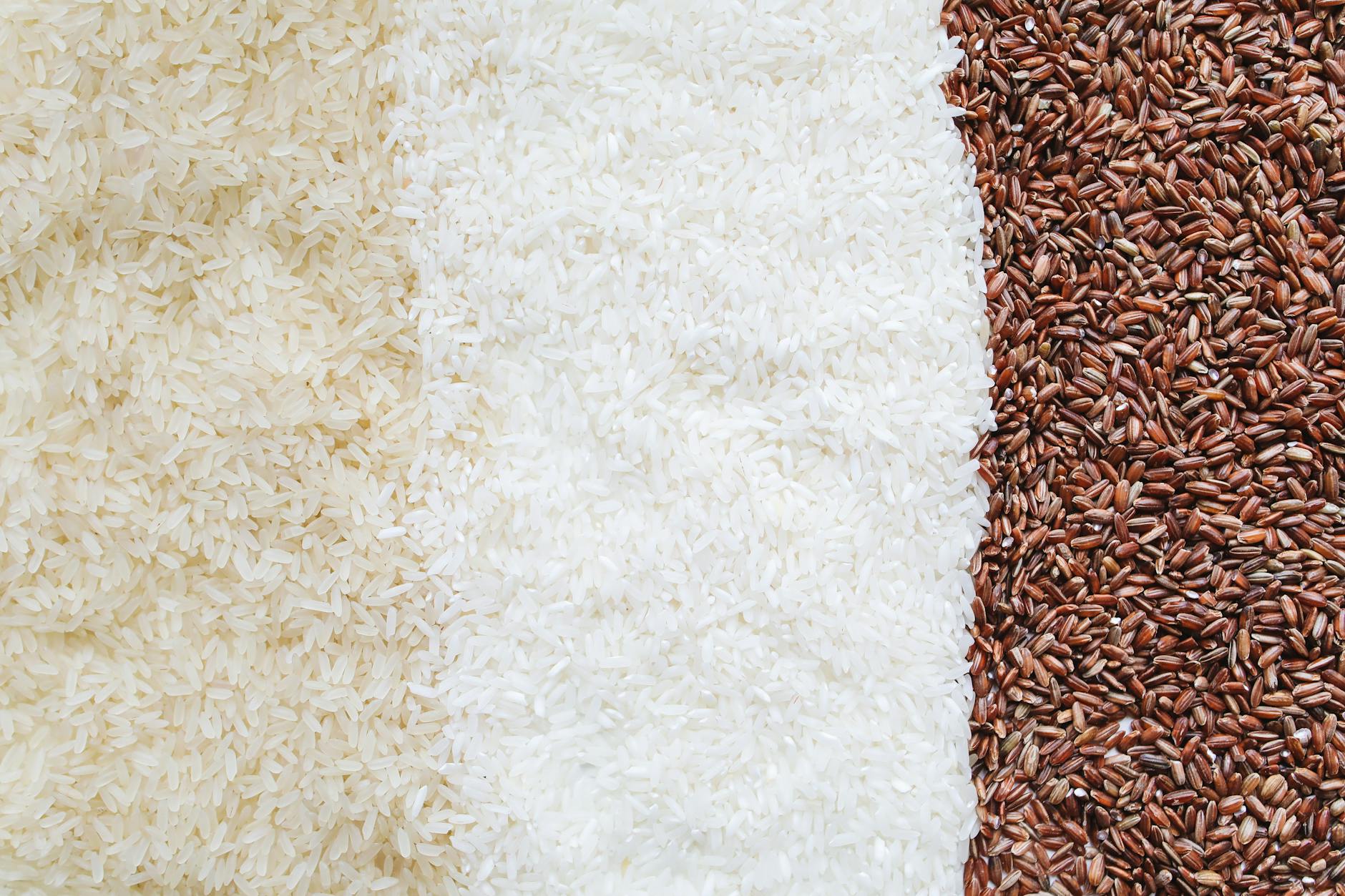
Rice contains none of these in adequate amounts. A cat fed primarily rice would eventually develop taurine deficiency, leading to dilated cardiomyopathy, retinal degeneration, and reproductive problems. These conditions can prove fatal, underscoring why rice can only function as an occasional supplement rather than a dietary staple. Brown rice offers marginally more nutritional value than white rice, containing higher levels of fiber, B vitamins, and minerals due to its intact bran layer. However, this advantage comes with a tradeoff: the extra fiber makes brown rice harder for cats to digest, potentially causing bloating or loose stools in sensitive individuals. The nutritional gains are too modest to justify digestive discomfort, so most veterinarians recommend white rice when rice is indicated at all.
When Veterinarians Recommend Rice for Cats
The most common scenario involving rice in feline care is the bland diet protocol for gastrointestinal upset. When a cat experiences vomiting or diarrhea from a non-serious cause, veterinarians often suggest a temporary diet of boiled chicken or lean turkey mixed with plain white rice. The rice provides easily digestible bulk that helps firm up loose stools while giving the digestive tract time to recover. A typical recommendation involves feeding small portions every few hours for one to three days before gradually transitioning back to regular food. This approach has legitimate therapeutic value but comes with important limitations. Rice-based bland diets work for mild, self-limiting conditions like dietary indiscretion, where a cat ate something that disagreed with them.
They are not appropriate for serious illnesses, persistent symptoms, or cats with underlying health conditions. A cat with inflammatory bowel disease, kidney disease, or diabetes requires veterinary diagnosis and treatment rather than home remedies. If vomiting or diarrhea persists beyond 24 to 48 hours, or if the cat shows signs of lethargy, blood in stool, or refusal to drink water, professional care becomes essential. Some prescription veterinary diets include rice as a carbohydrate source for cats with specific medical needs. Hypoallergenic formulas sometimes use rice because of its low allergenic potential, and gastrointestinal support diets may incorporate it for its binding properties. These formulations are carefully balanced to meet feline nutritional requirements despite containing grains, representing a controlled use of rice that differs substantially from simply adding rice to a cat’s regular meals.

Risks and Potential Problems with Feeding Cats Rice
Despite its general safety, rice presents several potential problems that cat owners should understand. The most significant risk involves nutritional imbalance from excessive rice consumption. A cat who fills up on rice may eat less of their nutritionally complete cat food, leading to gradual deficiencies. Owners who believe they are providing variety or saving money by supplementing with rice may inadvertently compromise their cat’s health over time. Weight gain represents another concern, particularly for indoor cats with limited activity levels. Rice is calorie-dense relative to its nutritional value for cats, providing approximately 130 calories per cooked cup.
For a ten-pound cat requiring only 200 to 250 calories daily, even a quarter cup of rice represents a significant caloric addition. Cats prone to obesity or those on weight management programs should avoid rice entirely, as the empty calories work against dietary goals. Digestive issues can occur even with properly prepared rice. Some cats lack the digestive enzymes to process grains efficiently, resulting in gas, bloating, constipation, or diarrhea after eating rice. Cats with sensitive stomachs may react poorly despite rice’s reputation as a bland food. If your cat shows signs of digestive discomfort after eating rice, the food should be discontinued. Additionally, cats with diabetes require careful carbohydrate management, and rice’s glycemic impact makes it inappropriate for diabetic felines without veterinary guidance.
Comparing Rice to Other Human Foods for Cats
Rice occupies a middle ground among human foods in terms of feline safety. It is safer than many common foods that people mistakenly offer cats, including milk (which causes lactose intolerance symptoms in most adult cats), tuna (which can lead to mercury accumulation and nutritional imbalances if fed frequently), and deli meats (which contain excessive sodium and preservatives). A cat owner choosing between giving their cat a piece of rice or a piece of cheese is making a better choice with the rice. Several human foods offer greater nutritional value for cats than rice does.
Plain cooked chicken, turkey, or fish provide the animal protein cats actually need. Small amounts of cooked egg offer easily digestible protein and beneficial fats. Pumpkin puree, though not a protein source, provides fiber that can help with both constipation and diarrhea while offering more digestive benefits than rice. When seeking to supplement or treat a cat, these options deliver actual nutritional value rather than empty carbohydrates.

The Role of Grains in Commercial Cat Food
Many commercial cat foods contain rice, corn, wheat, or other grains as ingredients, prompting reasonable questions about their appropriateness in feline diets. These grains serve primarily as binding agents and carbohydrate sources that reduce manufacturing costs while providing caloric content. The presence of grains in cat food does not indicate they are ideal for cats but rather reflects economic and processing considerations. Premium and veterinary cat foods often minimize grain content in favor of higher meat percentages.
The grain-free cat food trend emerged from concerns about feline carbohydrate consumption but has raised its own issues. Some grain-free formulas substitute legumes like peas and lentils, which may be associated with dilated cardiomyopathy in certain cases, though research continues. The optimal approach involves selecting cat foods where animal protein sources appear first on the ingredient list, with grains or alternatives playing a secondary role. Whether a food contains rice specifically matters less than overall protein content and nutritional balance.
Conclusion
Rice is safe for cats in limited quantities when properly prepared, but it should remain an occasional element rather than a dietary staple. The grain provides no essential nutrition for obligate carnivores and serves best as a temporary tool for managing mild digestive upset under veterinary guidance. Plain cooked white rice, served in small portions at room temperature, presents minimal risk for most healthy cats. Cat owners considering rice should evaluate their motivations and alternatives.
If the goal is treating an upset stomach, rice mixed with lean protein can help for a day or two before returning to regular food. If the goal is providing variety or treats, protein-based options offer greater nutritional value. And if the goal is reducing food costs, rice substitution will ultimately prove counterproductive through potential veterinary bills from nutritional deficiencies. Keep rice in perspective as one minor tool in feline care rather than a regular menu item.