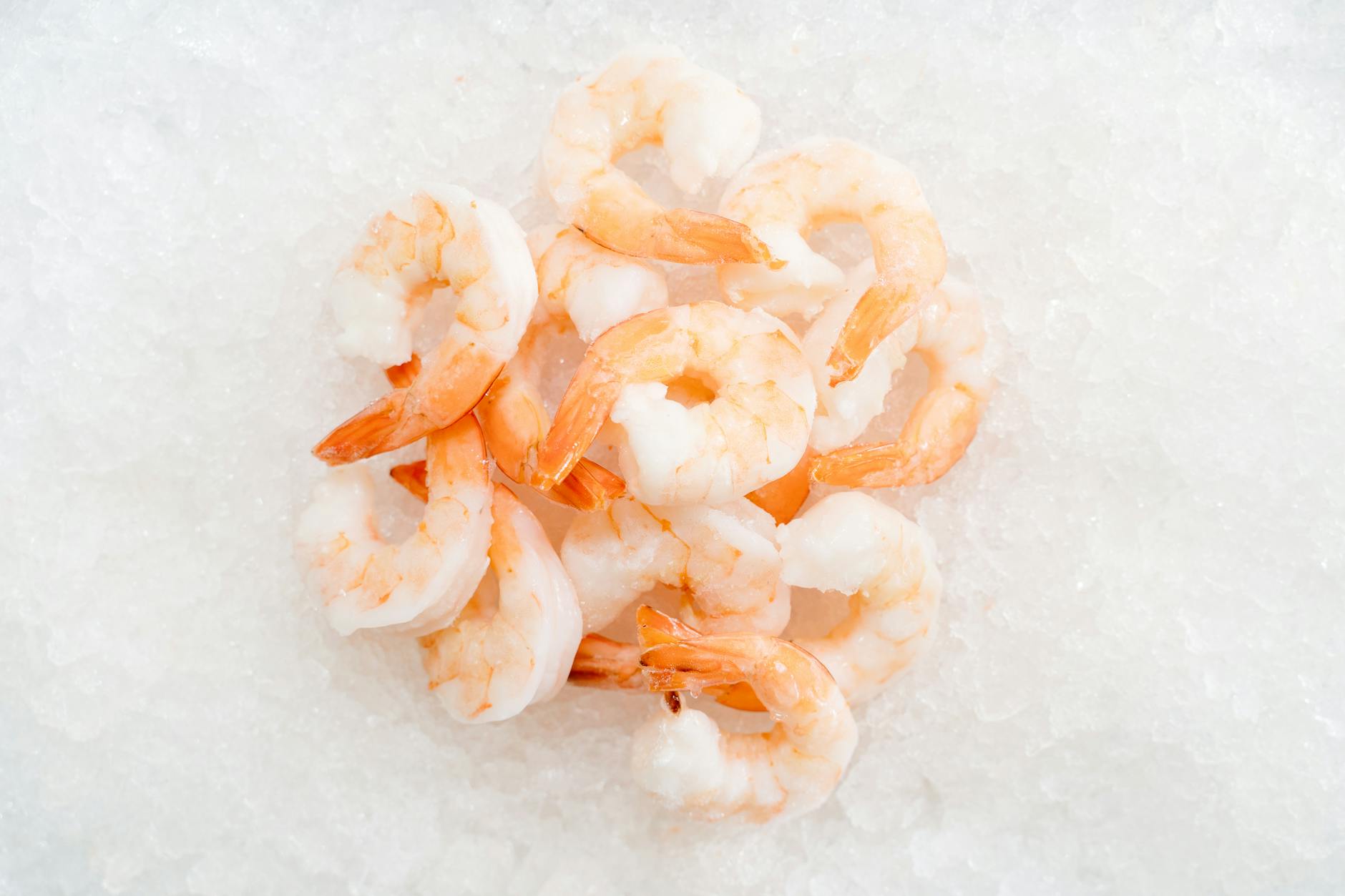
Yes, cats can eat shrimp safely when it is properly prepared and served in moderation. Plain, cooked shrimp offers a protein-rich treat that most cats find irresistible, and it contains beneficial nutrients like selenium, vitamin B12, and omega-3 fatty acids. However, the key word here is “plain” “” shrimp prepared with garlic, butter, salt, or heavy seasonings can cause digestive upset or even toxicity in cats. A single medium-sized shrimp given once or twice a week is generally safe for most healthy adult cats. Consider the experience of feeding your cat a small piece of shrimp from your dinner plate.
If that shrimp was boiled without seasoning, your cat will likely enjoy a harmless snack. But if it came from a garlic shrimp scampi, you may be inadvertently exposing your cat to ingredients that can damage red blood cells. This distinction matters enormously when deciding whether to share seafood with your feline companion. This article covers everything you need to know about feeding shrimp to cats, including nutritional benefits, preparation methods, portion guidelines, potential risks, and how shrimp compares to other seafood options. Whether you want to use shrimp as an occasional treat or are concerned about accidental consumption, the following sections will help you make informed decisions about your cat’s diet.
Table of Contents
- Is Shrimp a Healthy Treat for Cats?
- Understanding Portion Sizes and Feeding Frequency
- Potential Risks and Side Effects of Feeding Shrimp to Cats
- Can Kittens and Senior Cats Eat Shrimp?
- Comparing Shrimp to Other Seafood for Cats
- Signs Your Cat May Have Eaten Too Much Shrimp
- Conclusion
Is Shrimp a Healthy Treat for Cats?
Shrimp provides several nutritional benefits that align well with a cat‘s carnivorous dietary needs. As obligate carnivores, cats require animal-based proteins to thrive, and shrimp delivers approximately 20 grams of protein per 100-gram serving with minimal fat content. The protein in shrimp contains essential amino acids like taurine, which cats cannot synthesize on their own and must obtain from their diet to maintain heart health and vision. Beyond protein, shrimp offers meaningful amounts of selenium, a mineral that supports thyroid function and immune response in cats. A single large shrimp contains roughly 10 micrograms of selenium.
Shrimp also provides phosphorus for bone health, zinc for skin and coat condition, and vitamin B12 for neurological function. Compared to fatty fish like salmon, shrimp has a leaner nutritional profile that may suit cats prone to weight gain. However, shrimp should never replace a complete and balanced cat food. While nutritious as an occasional supplement, shrimp lacks the full spectrum of vitamins, minerals, and fiber that commercial cat foods are formulated to provide. Feeding shrimp as more than 10 percent of your cat’s total caloric intake can lead to nutritional imbalances over time. Think of shrimp as a high-value treat for training or bonding, not a dietary staple.
Understanding Portion Sizes and Feeding Frequency
Moderation is essential when incorporating shrimp into your cat’s diet. A general guideline is to limit treats of any kind to no more than 10 percent of your cat’s daily caloric intake, which translates to roughly one to three medium shrimp per week for an average adult cat weighing 10 pounds. Overfeeding shrimp can contribute to weight gain and may cause your cat to become finicky about their regular food. For example, a 10-pound moderately active cat requires approximately 200 to 250 calories per day. One large shrimp contains about 7 calories, so three shrimp would account for roughly 8 to 10 percent of that daily caloric budget.
This leaves room for complete nutrition from their primary food source while still allowing shrimp as an enjoyable extra. However, if your cat has a history of pancreatitis, kidney disease, or food allergies, consult your veterinarian before introducing shrimp. Cats with kidney issues may need to limit phosphorus intake, and shrimp contains notable amounts of this mineral. Cats with sensitive stomachs may experience diarrhea even from plain shrimp. Starting with a very small portion “” half a shrimp or less “” allows you to monitor for adverse reactions before offering larger amounts.
Potential Risks and Side Effects of Feeding Shrimp to Cats
While shrimp is generally safe, several risks deserve attention. Allergic reactions, though uncommon, can occur in cats who have never eaten shellfish before. Signs of a food allergy include itching, facial swelling, vomiting, or difficulty breathing. If your cat shows any of these symptoms after eating shrimp, discontinue feeding immediately and contact your veterinarian. Shrimp can also contain environmental contaminants depending on its source. Farm-raised shrimp may carry antibiotic residues, while wild-caught shrimp from polluted waters can accumulate heavy metals like mercury and cadmium.
Sourcing shrimp from reputable suppliers and choosing products labeled as sustainably harvested reduces this risk. Frozen shrimp is often flash-frozen at peak freshness and may actually be safer than “fresh” shrimp that has been sitting in a display case for days. Another concern is sodium content. Even unseasoned shrimp contains naturally occurring sodium “” approximately 111 milligrams per 100-gram serving. Cats have lower sodium requirements than humans, and excessive salt intake can strain the kidneys and contribute to hypertension over time. Rinsing cooked shrimp under water before serving removes surface sodium. Avoid canned shrimp entirely, as it typically contains added salt as a preservative and far exceeds safe sodium levels for cats.

Can Kittens and Senior Cats Eat Shrimp?
Kittens can eat small amounts of plain cooked shrimp, but their nutritional needs differ from adult cats. Kittens require higher calorie density and specific nutrient ratios to support rapid growth, which shrimp alone cannot provide. Introducing shrimp too early or too frequently may cause kittens to develop preferences that interfere with accepting balanced kitten food. Wait until a kitten is at least four months old and fully weaned before offering a tiny taste of shrimp as an occasional treat.
Senior cats often appreciate soft, easily digestible protein sources, and shrimp fits this description well. An older cat with dental issues may find shrimp easier to chew than dry kibble or tough meat. However, senior cats are more prone to kidney disease and other conditions that require dietary management. A 15-year-old cat with early-stage renal insufficiency, for instance, might need a phosphorus-restricted diet that excludes shrimp. Always verify with your veterinarian that shrimp is appropriate for your senior cat’s specific health status before making it a regular treat.
Comparing Shrimp to Other Seafood for Cats
Shrimp is one of several seafood options that cats can safely enjoy, each with distinct advantages and drawbacks. Salmon offers higher omega-3 fatty acid content, which benefits skin and coat health, but also contains more fat and calories than shrimp. Tuna is another popular choice, though frequent feeding can lead to mercury accumulation and a condition informally called “tuna addiction,” where cats refuse other foods.
Whitefish like cod or tilapia provides lean protein similar to shrimp but with a milder flavor that some cats find less appealing. Crab and lobster are safe in small amounts but tend to be expensive and offer no significant nutritional advantage over shrimp. Mussels and clams contain beneficial nutrients but must be thoroughly cooked and removed from shells to prevent choking. Among all these options, shrimp strikes a balance of palatability, nutritional value, and safety that makes it a sensible choice for occasional treat rotation.

Signs Your Cat May Have Eaten Too Much Shrimp
Even safe foods can cause problems in excess. A cat that has consumed too much shrimp may experience gastrointestinal upset, including vomiting, diarrhea, or loss of appetite lasting 12 to 24 hours. These symptoms typically resolve on their own with fasting and access to fresh water. However, persistent vomiting, bloody stool, or lethargy beyond a day warrants veterinary attention.
Repeated overfeeding of shrimp over weeks or months can contribute to more serious issues. Weight gain from excessive treat calories may lead to obesity, which increases risk of diabetes, joint problems, and reduced lifespan in cats. Nutritional imbalances from relying too heavily on shrimp instead of complete cat food can manifest as dull coat, muscle wasting, or weakened immune function. Keeping a mental note of how often you offer shrimp helps prevent these cumulative effects.
Conclusion
Shrimp can be a safe, nutritious, and highly enjoyable treat for most cats when prepared correctly and offered in moderation. The keys to success are cooking shrimp plain without harmful seasonings, removing shells and tails, limiting portion sizes to a few shrimp per week, and monitoring your cat for any adverse reactions. These precautions allow you to share a tasty snack with your cat while protecting their health.
Before adding shrimp or any new food to your cat’s diet, consider their individual health needs and consult your veterinarian if you have concerns. Cats with kidney disease, allergies, or sensitive digestion may need to avoid shrimp entirely or follow stricter portion limits. With thoughtful feeding practices, shrimp can become a special treat that strengthens the bond between you and your feline companion without compromising their wellbeing.