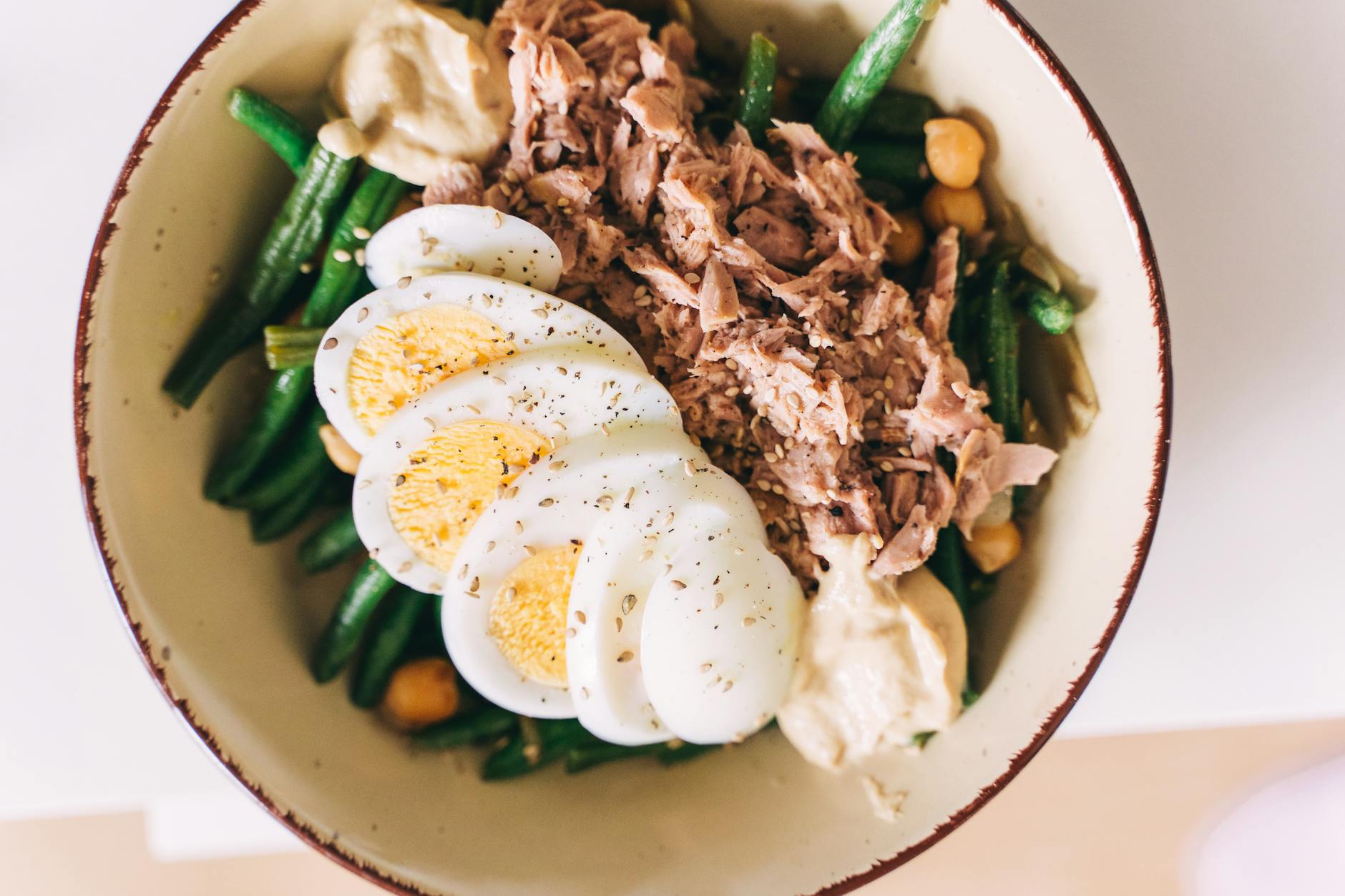
No, cats cannot eat tuna every day without risking serious health problems. Veterinarians unanimously advise against daily tuna consumption, recommending instead that cats eat tuna no more than once or twice per week as an occasional treat. While the image of a cat happily eating tuna is deeply embedded in popular culture, the reality is that regular tuna feeding can lead to mercury poisoning, nutritional deficiencies, and a condition called tuna addiction where cats refuse to eat anything else.
Consider a cat owner who decides to give their finicky Persian a spoonful of tuna each morning because it is the only thing the cat will eat enthusiastically. Within months, that cat could develop vitamin E deficiency, begin showing signs of muscle weakness, or accumulate dangerous levels of mercury in its system. The safe serving size is remarkably small: no more than one teaspoon per ten pounds of body weight, and treats of any kind should never exceed ten percent of a cat’s total daily food intake. This article covers the specific health risks of daily tuna consumption, the signs of mercury poisoning and nutritional deficiencies to watch for, how to safely incorporate tuna as an occasional treat, and what alternatives exist for cat owners who want to give their feline companions a fish-based reward without the associated dangers.
Table of Contents
- What Happens When Cats Eat Tuna Every Day?
- Mercury Content Varies Dramatically Between Tuna Types
- Tuna Addiction: When Cats Refuse Other Foods
- Recognizing the Signs of Nutritional Deficiency
- Cat Food Containing Tuna: A Safer Alternative
- Long-Term Health and Dietary Balance
- Conclusion
What Happens When Cats Eat Tuna Every Day?
When catprofessor.com/can-cats-eat-cooked-chicken-safely/” title=”Can Cats Eat Cooked Chicken Safely”>cats consume tuna daily over extended periods, their bodies accumulate mercury at rates that can eventually reach toxic levels. The toxic threshold sits at approximately 176 micrograms of mercury per kilogram of body weight daily over fourteen weeks. While this might seem like a high bar to clear, cats eating fish-only diets can gradually approach and exceed this threshold, particularly if the tuna consumed is albacore rather than chunk-light varieties. Beyond mercury, daily tuna creates nutritional imbalances that manifest in several distinct conditions. Human-grade tuna lacks adequate vitamin E, which cats need to maintain healthy muscle and fat tissue.
Over time, this deficiency causes steatitis, an inflammation of fat tissue that is both painful and debilitating. Excessive tuna also increases thiaminase production in cats, an enzyme that breaks down thiamine, a B vitamin essential for neurological function. The comparison between occasional and daily feeding is stark. A cat receiving a teaspoon of chunk-light tuna packed in water once a week faces minimal risk. That same cat eating tuna every day faces cumulative exposure to mercury, progressive vitamin deficiencies, and potential weight gain from the calorie-dense treat replacing balanced nutrition. The difference is not merely one of degree but of kind: occasional consumption is a treat, while daily consumption becomes a dietary hazard.
Mercury Content Varies Dramatically Between Tuna Types
Not all tuna carries the same risk profile, and understanding the differences can help cat owners make safer choices when they do offer fish as a treat. Albacore tuna contains mercury levels almost three times higher than chunk-light tuna. This means that a single serving of albacore exposes a cat to roughly the same mercury load as three servings of chunk-light tuna from the same source. However, even choosing the lower-mercury option does not make daily feeding safe. Chunk-light tuna still contains mercury, and the accumulation effect remains a concern over time.
If a cat owner has been feeding albacore tuna regularly and wants to transition to a safer treat schedule, switching immediately to chunk-light and reducing frequency to once weekly represents the safest path forward. Cats who have consumed significant amounts of tuna should be monitored for signs of mercury toxicity. The symptoms of mercury poisoning in cats include loss of coordination, unsteady gait, muscle weakness, tremors, and seizures. More severe cases can involve vision problems, behavioral changes, and in extreme situations, paralysis or death. While documented cases of mercury toxicity from tuna remain rare, they typically occur in cats fed fish-only diets over extended periods, precisely the scenario that daily tuna feeding creates.
Tuna Addiction: When Cats Refuse Other Foods
One of the less discussed but equally concerning risks of regular tuna feeding is the development of what veterinarians call tuna addiction. Cats can become so fixated on the strong flavor and smell of tuna that they refuse to eat their regular food, holding out for the treat they have come to expect. This creates a dangerous cycle where nutritional deficiencies worsen because the cat effectively goes on a hunger strike until offered tuna. A specific example illustrates this problem: an owner notices their cat seems bored with kibble and starts mixing in a spoonful of tuna to encourage eating. Within weeks, the cat picks around the kibble to eat only the tuna. A month later, the cat will not approach the bowl unless it smells tuna. The owner, worried about their cat not eating, increases the tuna amount. The cat has now trained its owner to provide an unhealthy diet through a feedback loop of selective eating and well-intentioned accommodation. Breaking tuna addiction requires patience and sometimes veterinary guidance. The transition back to balanced nutrition can take weeks, during which the cat may eat very little. Owners must resist the urge to cave to their cat’s demands, understanding that short-term food refusal is less harmful than long-term nutritional deficiency.
This is why prevention through strict treat limits matters more than any intervention after addiction develops. ## How to safely Offer Tuna as an Occasional Cat Treat Safe tuna feeding follows specific guidelines that minimize risk while still allowing cats to enjoy this flavor they find so appealing. Choose chunk-light tuna packed in water rather than oil, as oil adds unnecessary calories and fat. Avoid any tuna products with added salt, seasonings, or flavorings, which can introduce sodium levels and ingredients unsuitable for feline digestion. The portion size should remain small regardless of how much the cat begs for more. One to two teaspoons represents an appropriate occasional treat for most adult cats, with the more precise guideline being no more than one teaspoon per ten pounds of body weight. A large Maine Coon might tolerate a slightly larger portion than a petite Siamese, but the upper limit still applies to all cats regardless of breed. The tradeoff between tuna and commercial cat treats deserves consideration. Commercial treats formulated for cats undergo testing to ensure nutritional safety and are designed to complement rather than disrupt a balanced diet. Tuna offers a stronger flavor reward but brings the risks discussed throughout this article. Some cat owners find that reserving tuna for truly special occasions, perhaps a few times per month rather than weekly, strikes the right balance between treating their cat and protecting its health.

Recognizing the Signs of Nutritional Deficiency
When vitamin E deficiency progresses to steatitis, cats develop painful inflammation in their fat tissue that makes them reluctant to move or be touched. Affected cats may cry out when handled, avoid jumping onto surfaces they previously accessed easily, and show decreased appetite unrelated to tuna addiction. The fat beneath their skin can feel lumpy or nodular, and they may develop a fever. Thiamine deficiency presents differently, with neurological symptoms predominating. Cats lacking adequate B vitamins show weakness, poor coordination, and in severe cases, a characteristic head tilt or circling behavior.
Seizures can occur as the deficiency worsens. Both conditions require veterinary treatment and dietary correction, and both are entirely preventable by maintaining proper feeding practices. The warning signs that should prompt an immediate veterinary visit include muscle weakness that appears suddenly, any tremors or seizures, vision changes such as dilated pupils or failure to track movement, and behavioral changes like confusion or aggression in a previously calm cat. These symptoms can indicate mercury toxicity, severe nutritional deficiency, or other serious conditions that require professional diagnosis and treatment. Waiting to see if symptoms resolve on their own risks permanent damage.
Cat Food Containing Tuna: A Safer Alternative
Commercially prepared cat food that contains tuna as an ingredient differs substantially from human-grade canned tuna offered as a treat. Pet food manufacturers formulate their products to meet feline nutritional requirements, adding vitamin E, thiamine, and other nutrients that plain tuna lacks. They also select ingredients and processing methods that minimize mercury content relative to serving recommendations.
No documented cases of mercury toxicity exist in cats eating only commercially made cat food, even food with tuna flavoring or containing tuna as a protein source. For owners whose cats love the taste of tuna, choosing a commercial cat food formulated with fish may satisfy that preference without the risks associated with supplementary tuna feeding. This approach provides the flavor cats enjoy within a nutritionally complete package.
Long-Term Health and Dietary Balance
The underlying principle that applies to tuna extends to all treats and supplemental foods: a cat’s diet should consist primarily of nutritionally complete cat food formulated for their life stage, with treats of any kind making up no more than ten percent of daily caloric intake. This ten percent rule exists because even the most appealing treat cannot provide the balanced nutrition cats need for long-term health.
Cats who maintain dietary balance throughout their lives avoid not only the specific risks of tuna overconsumption but also obesity and its associated conditions including diabetes, urinary disease, and arthritis. The discipline required to limit treats protects cats from consequences they cannot anticipate and cannot communicate once symptoms develop. Responsible cat ownership means making decisions that prioritize long-term health over short-term pleasure, for both the cat and the owner who enjoys providing treats.
Conclusion
Daily tuna feeding poses clear and documented risks to feline health, from mercury accumulation to vitamin deficiencies to the behavioral problem of tuna addiction. The veterinary consensus is unambiguous: cats should receive tuna no more than once or twice weekly, in small portions of one to two teaspoons, and only as chunk-light tuna packed in water without added seasonings. Within these limits, tuna can remain an enjoyable occasional treat without becoming a health hazard.
Cat owners who want to provide fish-based rewards have options beyond plain canned tuna. Commercial cat foods containing tuna as an ingredient offer the flavor without the nutritional risks, and other treat options formulated specifically for cats provide variety without the concerns associated with human food. The key is maintaining perspective: a cat’s enthusiasm for a particular food does not make that food safe for unlimited consumption, and the responsibility for dietary decisions rests entirely with the owner.