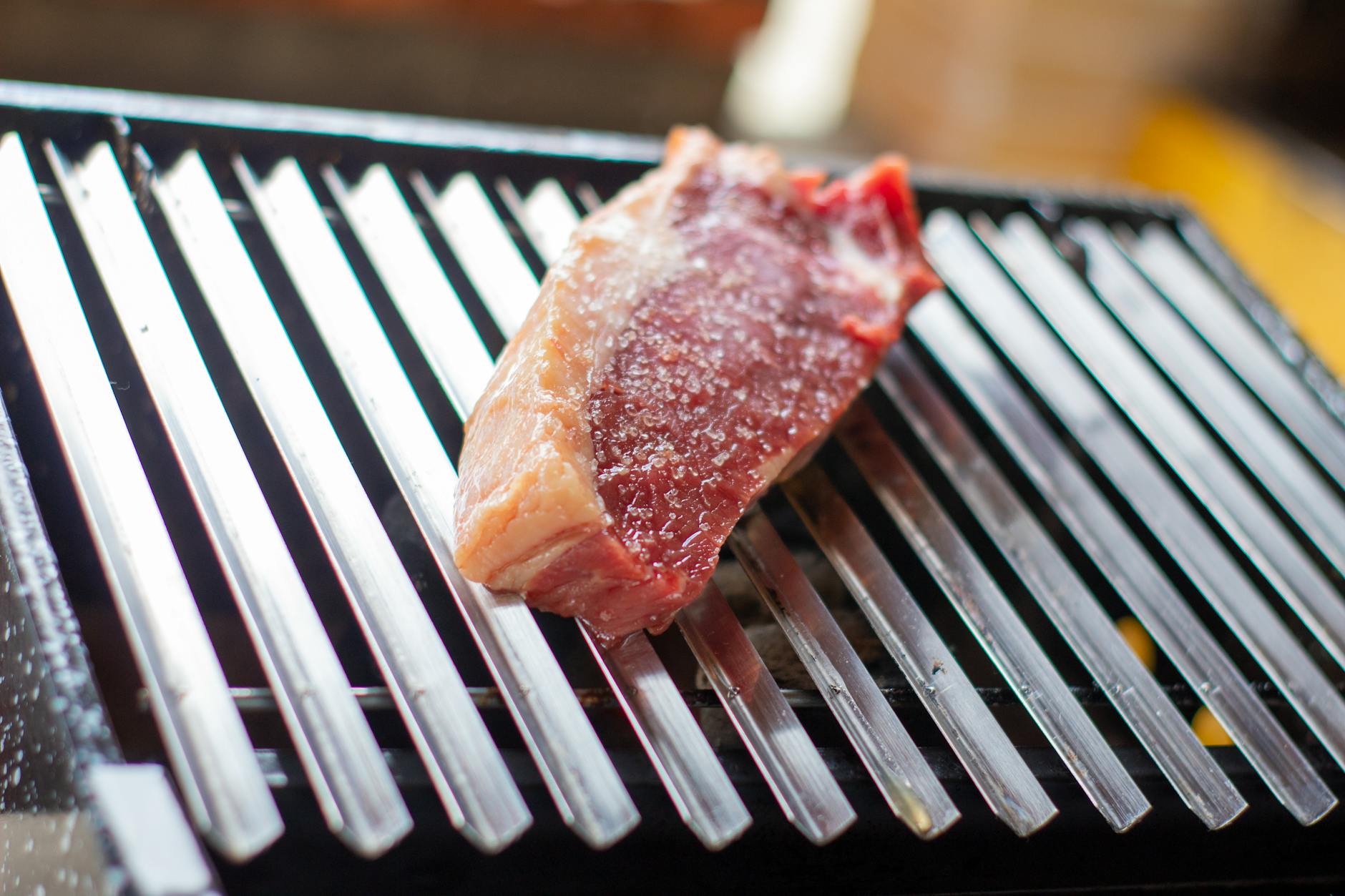
Raw meat can be safe for cats to eat, but it carries significant risks that most pet owners are not equipped to manage properly. While cats are obligate carnivores whose wild ancestors thrived on raw prey, domesticated cats eating raw meat from grocery stores or butcher shops face exposure to harmful bacteria like Salmonella, E. coli, and Listeria, as well as parasites including Toxoplasma gondii. A 2020 study published in the journal Vet Record found that 83% of commercial raw pet food samples tested positive for antibiotic-resistant Enterococcus bacteria, illustrating just how common contamination can be.
The safety of raw feeding depends heavily on sourcing, preparation, handling, and the individual cat’s health status. A young, healthy cat eating properly handled, high-quality raw meat from a reputable supplier faces different risks than an immunocompromised senior cat eating supermarket chicken that has been left at room temperature. Raw feeding advocates point to shinier coats, better dental health, and improved digestion in their cats, while veterinary organizations like the American Veterinary Medical Association officially discourage the practice due to documented disease outbreaks linked to raw diets. This article examines the real risks and potential benefits of feeding raw meat to cats, explores which types of raw meat pose the greatest dangers, discusses how to minimize contamination risks if you choose this feeding method, and helps you determine whether raw feeding makes sense for your specific cat.
Table of Contents
- What Are the Actual Risks of Feeding Cats Raw Meat?
- Which Types of Raw Meat Pose the Greatest Danger to Cats?
- How Does Raw Feeding Affect a Cat’s Digestive System?
- What Nutritional Imbalances Can Occur with Raw Meat Diets?
- Do Cats on Raw Diets Really Have Better Dental Health?
- What Does Current Veterinary Research Say About Raw Cat Food?
- Conclusion
What Are the Actual Risks of Feeding Cats Raw Meat?
The primary dangers of raw meat for cats fall into two categories: bacterial contamination and parasitic infection. Salmonella bacteria can survive on raw chicken, turkey, and other poultry for extended periods, and infected cats may shed the bacteria in their feces for up to six weeks even if they show no symptoms. This creates a public health concern that extends beyond your cat””family members, especially young children, elderly individuals, and anyone with a compromised immune system, face real exposure risks from handling contaminated food bowls, litter boxes, or even from close contact with an infected cat. Parasites present another layer of concern.
Toxoplasma gondii, commonly found in raw pork and lamb, can complete its reproductive cycle only in cats, making felines the definitive host. While many cats show no symptoms of toxoplasmosis, they can shed infectious oocysts in their feces for weeks after initial infection. For comparison, a cat eating commercial cooked food carries virtually zero risk of transmitting this parasite, while a cat consuming raw meat from unknown sources could become a vector for a disease that causes serious complications in pregnant women and immunocompromised individuals. The FDA has documented multiple recalls of raw pet food products due to contamination, including a 2023 recall affecting products sold in over 30 states after Listeria monocytogenes was detected. Unlike dogs, cats cannot always vomit effectively to expel contaminated food, meaning harmful bacteria may pass further into their digestive system before their body can respond.

Which Types of Raw Meat Pose the Greatest Danger to Cats?
Not all raw meats carry equal risk. Raw pork stands out as particularly hazardous due to its potential to harbor Trichinella parasites and Toxoplasma gondii. Wild game meats, including venison and rabbit, may contain parasites or diseases that domestic cats have no natural immunity against. Raw fish presents unique problems: thiaminase enzymes in certain fish species destroy thiamine (vitamin B1), and regular consumption of raw fish can lead to a potentially fatal deficiency. A cat eating raw salmon or trout twice weekly for several months could develop neurological symptoms from thiamine depletion before an owner recognizes anything is wrong.
Ground meats of any type represent higher risk than whole muscle cuts. The grinding process exposes far more surface area to potential contamination and mixes any surface bacteria throughout the entire product. One contaminated area on a chicken breast stays on the surface, where it might be rinsed or trimmed away, but the same contamination in ground chicken distributes uniformly through the meat. However, if you source whole muscle cuts of human-grade meat from reputable suppliers who follow strict cold-chain protocols, the bacterial load drops considerably compared to pre-ground products or meat approaching its sell-by date. Frozen commercial raw cat food products that have been high-pressure processed or freeze-dried may offer additional safety margins, though no processing method eliminates all risk entirely.
How Does Raw Feeding Affect a Cat’s Digestive System?
Cats possess shorter digestive tracts and more acidic stomach environments than humans or dogs, adaptations that evolved to process raw prey quickly. A cat’s stomach pH typically ranges from 1 to 2, highly acidic conditions that can neutralize many bacteria that would sicken humans. This biological reality forms the foundation of pro-raw feeding arguments: cats are designed for raw meat consumption in ways that omnivores are not. In practice, many cats transitioning to raw diets experience a period of digestive adjustment. Softer stools, occasional vomiting, or temporary appetite changes occur frequently during the first two to four weeks. A cat accustomed to highly processed kibble for years may need gradual introduction of raw components””starting with 10% raw food mixed with their regular diet and increasing the proportion over several weeks. Abrupt dietary changes in cats frequently trigger gastrointestinal upset regardless of whether the new food is raw or cooked. Some cats with inflammatory bowel disease, chronic pancreatitis, or other digestive conditions may actually improve on carefully formulated raw diets because they eliminate certain processed ingredients that trigger inflammation. Conversely, cats with compromised immune systems, those receiving chemotherapy, very young kittens, or geriatric cats face amplified risks from bacterial exposure because their bodies cannot mount effective defenses against pathogens that healthy adult cats might handle without incident.
## How to Minimize Contamination When Feeding Raw Meat to Cats Proper handling protocols make a measurable difference in raw feeding safety. Keep raw meat frozen until 24 to 48 hours before feeding, thawing it in the refrigerator rather than on the counter where bacteria multiply rapidly at room temperature. Any raw food left in a cat’s bowl for more than 30 minutes should be discarded””this contrasts sharply with dry kibble, which can safely sit out all day, making raw feeding incompatible with free-feeding schedules. Dedicated preparation surfaces and utensils prevent cross-contamination with human food. Stainless steel bowls clean more thoroughly than plastic, which can harbor bacteria in microscopic scratches. Washing your hands for at least 20 seconds after handling raw cat food, and cleaning all surfaces with hot soapy water followed by a diluted bleach solution, reduces pathogen spread. The tradeoff here is real: raw feeding demands significantly more time, attention, and vigilance than scooping kibble or opening a can. Commercial frozen raw diets from established manufacturers undergo testing protocols that home-prepared raw food cannot match. However, commercial products cost substantially more than home-prepared options and still carry some contamination risk despite quality controls. A bag of premium raw frozen cat food may run $20 to $40 per pound, while home-prepared raw food using human-grade meat might cost $8 to $15 per pound””but the commercial option includes added vitamins and minerals that home preparers must source separately to achieve nutritional completeness.
What Nutritional Imbalances Can Occur with Raw Meat Diets?
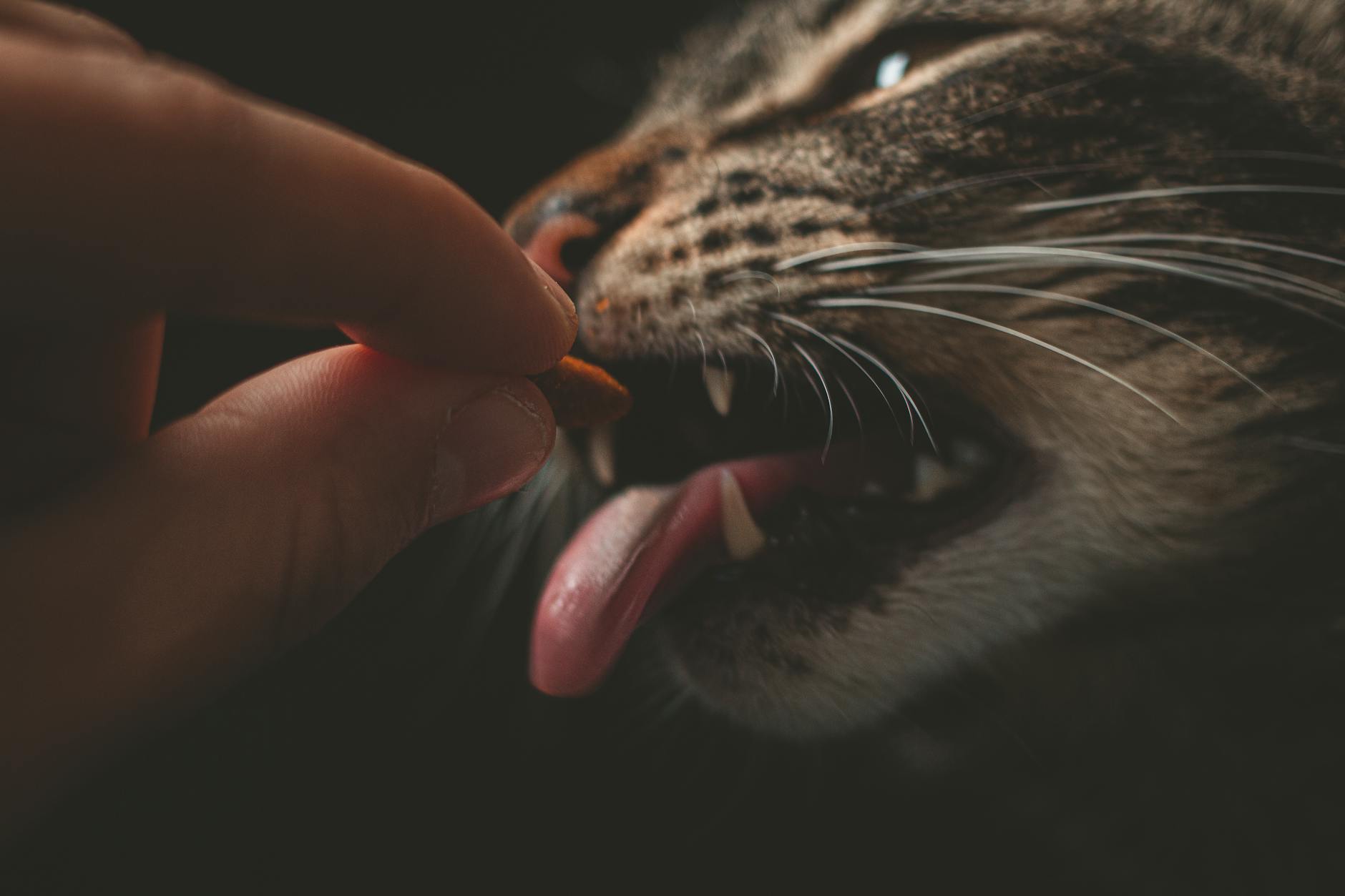
Feeding plain raw muscle meat without proper supplementation causes serious nutritional deficiencies, sometimes fatally so. Cats require taurine, an amino acid found abundantly in heart muscle but less so in skeletal muscle cuts. A cat fed only raw chicken breast for several months will develop taurine deficiency, leading to dilated cardiomyopathy and potentially blindness from retinal degeneration. This represents one of the most dangerous misconceptions about raw feeding: that any raw meat constitutes a complete diet. Calcium and phosphorus ratios require careful balancing.
Muscle meat is high in phosphorus but nearly devoid of calcium””exactly opposite to what a cat eating a whole prey animal would consume, since bones provide abundant calcium. Feeding raw meat without bone content or calcium supplementation leads to metabolite bone disease, where the body leaches calcium from the skeleton to maintain blood calcium levels, eventually resulting in fractures and skeletal deformities. Kittens are especially vulnerable because their growing bones have higher calcium demands. Complete raw diets must include organ meats (liver, kidney, heart), bone or calcium supplementation, and often additional taurine. The “80-10-10” guideline followed by many raw feeders””80% muscle meat, 10% bone, 10% organs with half being liver””provides a rough framework, but individual cats may need adjustments based on age, activity level, and health status. Working with a veterinary nutritionist to formulate a balanced raw diet costs $200 to $500 for a consultation but prevents deficiencies that could cost far more in veterinary bills or cost your cat its health.
Do Cats on Raw Diets Really Have Better Dental Health?
Proponents claim that chewing raw meat and bones scrapes plaque from teeth and exercises jaw muscles, mimicking the dental benefits wild cats receive from consuming prey. Some veterinary dentists acknowledge that gnawing on raw meaty bones may provide mechanical cleaning action that processed foods cannot match. A cat eating a raw chicken wing works the meat from the bone in ways that promote gum stimulation and some degree of tartar removal.
The evidence remains mixed, however. A 2019 study in the Journal of Veterinary Dentistry found no significant difference in periodontal disease rates between raw-fed cats and those eating commercial diets when other variables were controlled. Individual variation plays a major role””some cats are genetically predisposed to dental disease regardless of diet. Cooked bones splinter dangerously and should never be fed, but even raw bones carry risks of tooth fractures, particularly in older cats with weaker enamel, or intestinal blockage if swallowed in large pieces.
What Does Current Veterinary Research Say About Raw Cat Food?
Veterinary opinion on raw feeding remains divided, though mainstream professional organizations maintain cautionary stances. The American Veterinary Medical Association, American Animal Hospital Association, and Canadian Veterinary Medical Association all have position statements discouraging raw feeding due to documented health risks to both pets and humans. These positions reflect published case studies of disease outbreaks, not merely theoretical concerns.
Researchers continue investigating whether the proposed benefits of raw diets””improved coat condition, smaller and less odorous stools, better weight management, increased energy””hold up under controlled conditions. Preliminary studies suggest that some benefits may stem from higher protein and moisture content common in raw diets rather than the rawness itself, meaning properly formulated cooked or canned diets might deliver similar advantages without bacterial risks. As research advances, evidence-based recommendations will likely become more nuanced, potentially identifying specific cat populations that benefit from raw feeding versus those facing unacceptable risks.
Conclusion
Raw meat is not inherently dangerous to cats, but the risks are real and require active management that exceeds what most pet owners realize going in. Bacterial contamination, parasitic infection, nutritional imbalance, and public health concerns for household members all demand serious consideration before transitioning any cat to a raw diet. The cats most likely to tolerate raw feeding safely are healthy adults eating properly balanced, carefully sourced, hygienically handled raw food prepared by owners who understand the commitment involved. If you decide to explore raw feeding, start by consulting your veterinarian about your individual cat’s health status and risk factors.
Consider working with a veterinary nutritionist to formulate a complete diet rather than relying on internet guidelines. Implement rigorous food safety protocols, source the highest quality ingredients you can afford, and monitor your cat closely for any signs of illness during the transition. For many cat owners, the practical burdens and genuine risks will outweigh the potential benefits””and that conclusion is perfectly reasonable. Commercial wet foods with high meat content and species-appropriate formulations offer a middle ground that captures some advantages of raw feeding without the associated dangers.