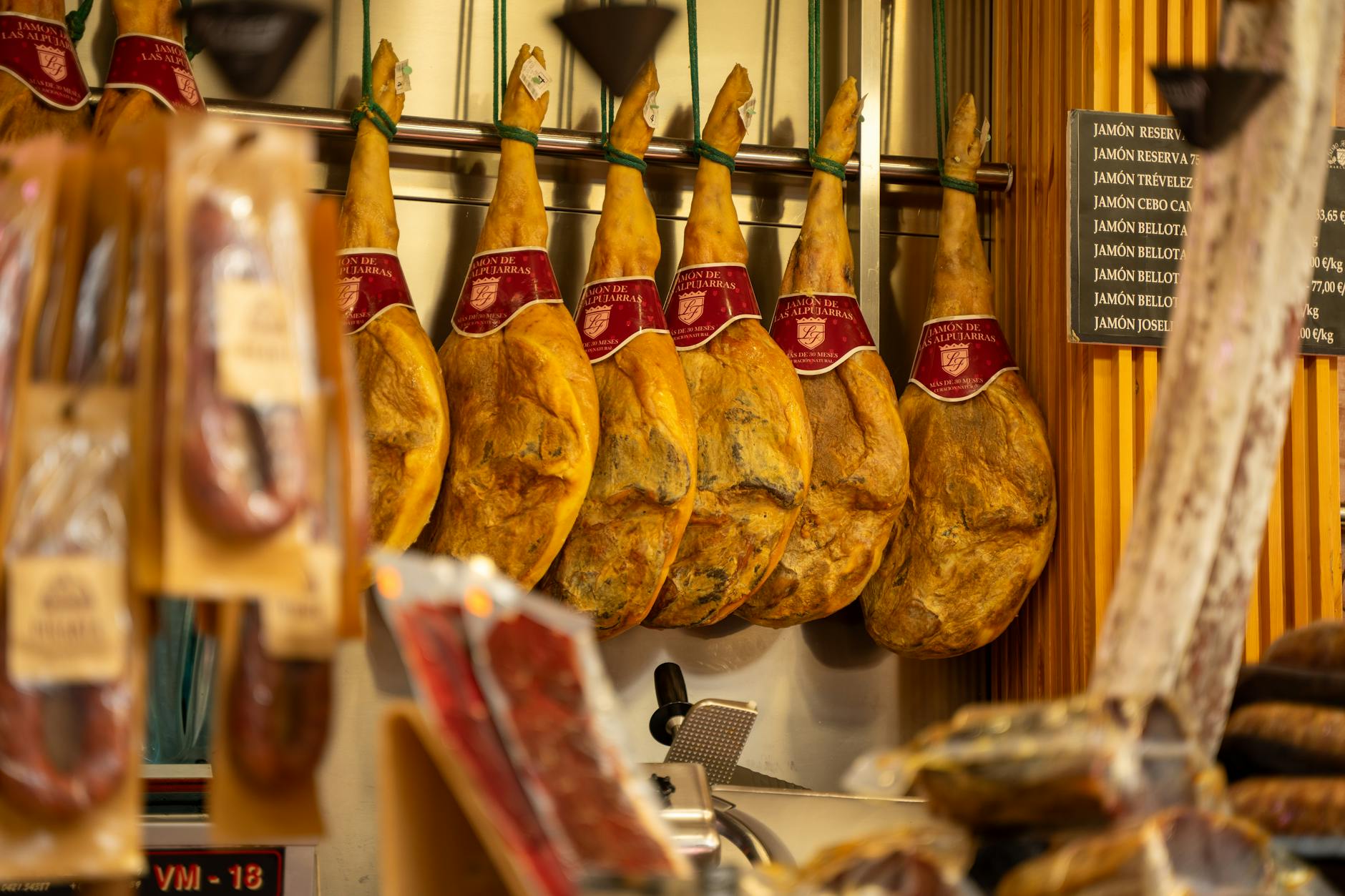
Ham and deli meats are not safe for cats to eat regularly, and most veterinarians recommend avoiding them entirely. While a tiny piece of plain ham likely won’t cause immediate harm to a healthy cat, these processed meats contain dangerously high sodium levels, preservatives like nitrates and nitrites, and seasonings that can damage feline kidneys and cardiovascular systems over time. A single slice of deli ham contains roughly 300-400 milligrams of sodium, while a cat’s entire daily sodium requirement is only about 21 milligrams. One cat owner learned this lesson when her otherwise healthy five-year-old tabby developed elevated kidney values after regularly receiving ham scraps over several months.
The core issue isn’t that cats can’t digest meat””they’re obligate carnivores who thrive on animal protein. The problem lies entirely in how commercial ham and deli products are processed. These foods undergo curing, smoking, and preservation methods that introduce compounds never meant for feline consumption. Even “low sodium” varieties contain salt levels that overwhelm a cat’s small body and relatively inefficient kidneys. This article covers the specific dangers of processed meats, which cats face the highest risks, what happens if your cat accidentally eats deli meat, and safer protein alternatives that satisfy your cat’s carnivorous cravings without the health consequences.
Table of Contents
- Why Are Ham and Processed Deli Meats Dangerous for Cats?
- Which Cats Face the Greatest Health Risks from Deli Meat?
- What Happens If Your Cat Accidentally Eats Ham or Deli Meat?
- Safe Protein Alternatives That Cats Actually Enjoy
- Hidden Deli Meat Dangers Beyond Sodium and Preservatives
- Understanding a Cat’s Natural Dietary Needs
- Moving Forward with Healthier Treat Choices
- Conclusion
Why Are Ham and Processed Deli Meats Dangerous for Cats?
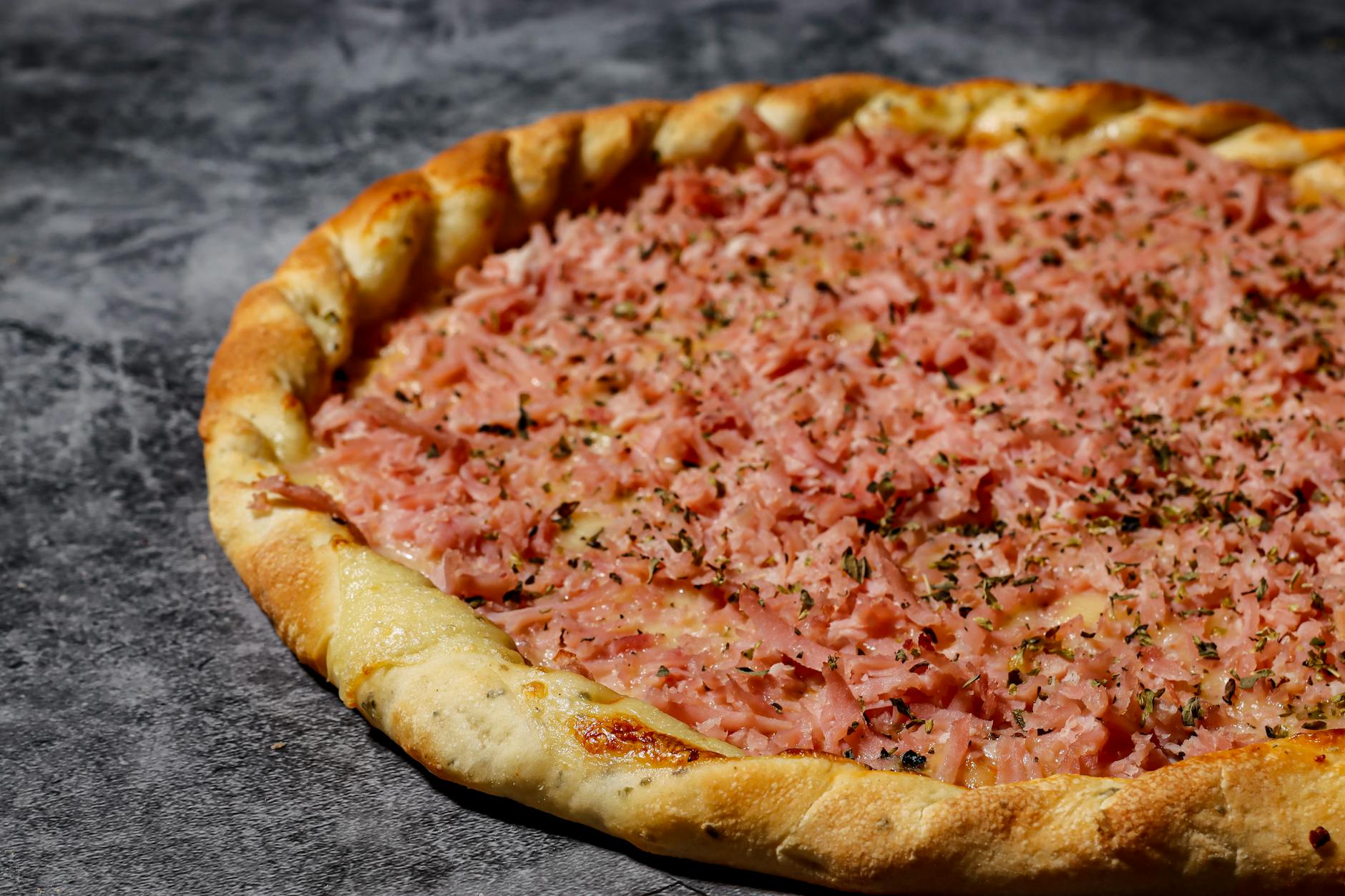
The processing methods that make ham and deli meats shelf-stable and flavorful for humans create a perfect storm of feline health hazards. Sodium nitrate and sodium nitrite, the preservatives that give cured meats their pink color and prevent bacterial growth, can interfere with oxygen transport in a cat’s bloodstream when consumed in significant quantities. While a single exposure rarely causes acute toxicity, repeated consumption accumulates these compounds in tissues. cats also lack certain liver enzymes that help humans metabolize these additives efficiently. Beyond preservatives, the sodium content alone makes deli meat problematic. Cats evolved as desert animals who obtained most of their water from prey, making their kidneys less equipped to process and excrete large amounts of salt.
When a cat consumes high-sodium food, their body retains water to dilute the salt, stressing the cardiovascular system and forcing kidneys to work harder. Compare this to plain cooked chicken breast, which contains about 25 milligrams of sodium per ounce versus smoked turkey deli meat at 280-350 milligrams per ounce””a tenfold difference that matters enormously for an animal weighing eight to twelve pounds. Seasonings present another overlooked danger. Garlic and onion powder, common in many deli products, contain compounds that damage feline red blood cells and can cause Heinz body anemia with repeated exposure. Black pepper, paprika, and other spices irritate the digestive tract. Even products marketed as “natural” or “uncured” often contain celery powder, which naturally converts to nitrites and poses similar preservation-related risks.
Which Cats Face the Greatest Health Risks from Deli Meat?
Senior cats and those with pre-existing kidney disease face the most severe consequences from consuming processed meats. Chronic kidney disease affects an estimated 30-40% of cats over age ten, and many owners don’t realize their cat has compromised kidney function until significant damage has already occurred. For these cats, even occasional high-sodium treats can accelerate disease progression and worsen clinical signs like increased thirst, weight loss, and lethargy. A cat with early-stage kidney disease might show no obvious symptoms while their remaining kidney function slowly deteriorates from dietary salt overload. Cats with heart conditions, particularly hypertrophic cardiomyopathy, also require strict sodium restriction.
Excess salt causes fluid retention that stresses an already compromised heart, potentially triggering congestive heart failure in susceptible individuals. However, even young, apparently healthy cats shouldn’t receive processed meats regularly. Subclinical heart disease often goes undetected in cats until a crisis occurs, meaning you may not know your cat has an underlying condition that makes ham especially dangerous. Overweight cats face compounded risks because obesity itself stresses the cardiovascular and renal systems. Adding high-sodium, calorie-dense processed meats to an already overweight cat’s diet accelerates health decline. If your cat falls into any of these categories””senior, overweight, or has any diagnosed or suspected organ dysfunction””processed meats should be completely off the menu rather than an occasional indulgence.
What Happens If Your Cat Accidentally Eats Ham or Deli Meat?
A one-time accidental ingestion of a small amount of ham or deli meat typically causes no lasting harm in healthy cats. You might observe increased water consumption over the following hours as your cat’s body works to flush the excess sodium. Some cats experience mild gastrointestinal upset, including soft stool or vomiting, particularly if they ate a fatty variety like salami or pepperoni. Monitor your cat for 24-48 hours after accidental ingestion, ensuring fresh water remains available at all times. Concerning symptoms that warrant veterinary attention include excessive lethargy, repeated vomiting, complete appetite loss, difficulty breathing, or signs of abdominal pain like hunching or reluctance to move.
These could indicate a more serious reaction, especially if your cat consumed a large quantity or has unknown underlying health issues. One emergency veterinarian reported treating a cat who had consumed an entire package of prosciutto left on a counter, requiring intravenous fluids to support kidney function and manage dangerously elevated sodium levels. The greater concern isn’t single incidents but patterns of exposure. Cats who regularly receive deli meat scraps””even tiny amounts””accumulate damage that blood work may not reveal until organ function has significantly declined. If you’ve been regularly sharing processed meats with your cat, consider scheduling a wellness exam with blood work to establish baseline kidney and liver values, then discontinue the habit entirely.
Safe Protein Alternatives That Cats Actually Enjoy
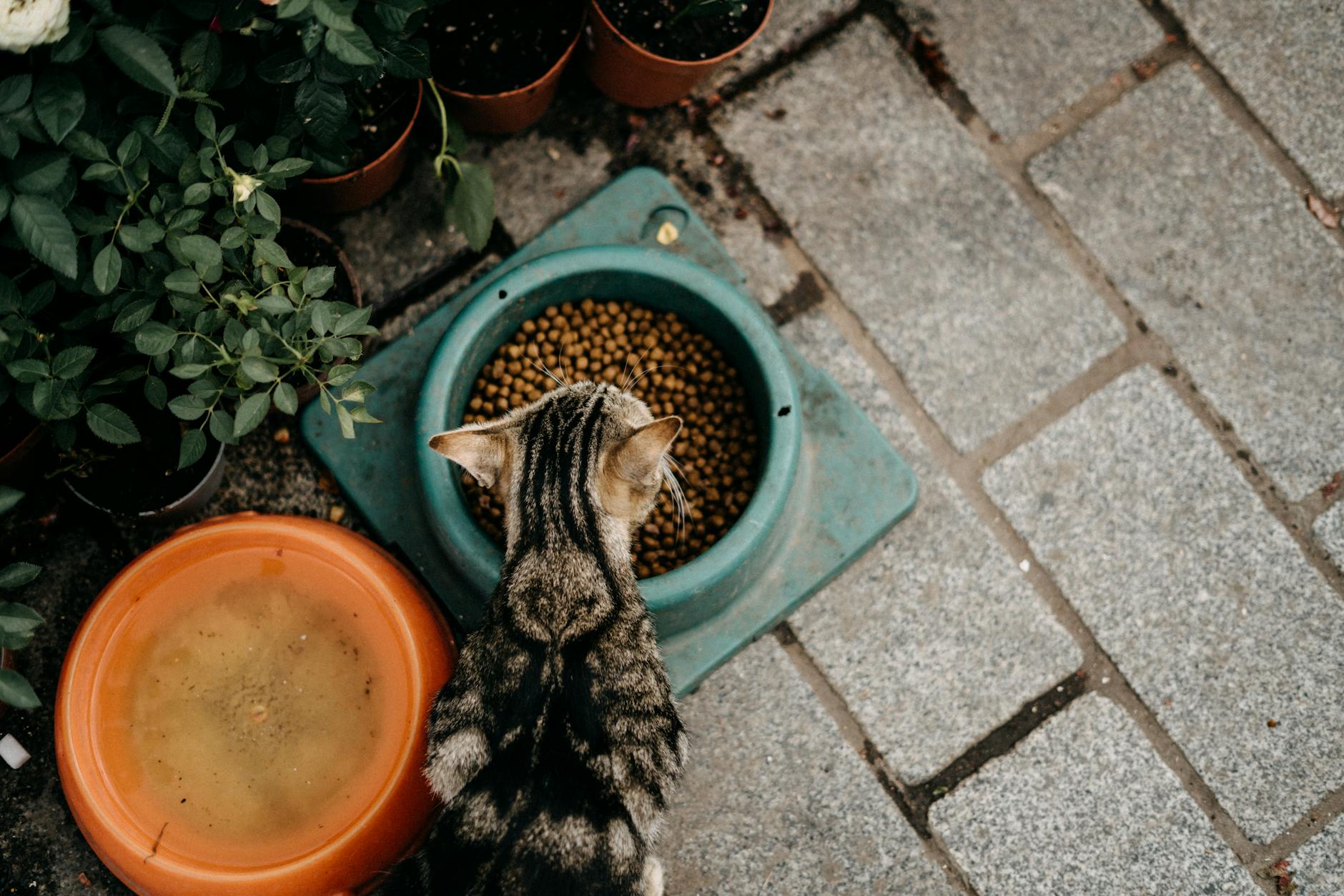
Plain cooked chicken, turkey, or fish provide the meaty satisfaction cats crave without the dangerous additives found in processed products. Boil or bake chicken breast without any seasoning, then shred it into small pieces appropriate for your cat’s size. This creates a high-value treat with minimal sodium, no preservatives, and excellent bioavailable protein. The tradeoff is preparation time””you’ll need to cook specifically for your cat rather than simply tossing scraps from your own meal. Freeze-dried meat treats offer convenience comparable to deli meat while maintaining food safety. Products made from single ingredients like chicken, salmon, or rabbit undergo gentle processing that preserves nutritional value without adding salt or preservatives.
Compare ingredient labels carefully, as some commercial treats still contain unnecessary additives. The best options list only the protein source and nothing else. These typically cost more than cooking at home but eliminate preparation time and store well long-term. Commercial cat treats formulated by veterinary nutritionists provide another balanced option, though quality varies dramatically between brands. Look for treats with named meat sources as the first ingredient, no artificial preservatives, and sodium levels under 0.5% on a dry matter basis. Avoid products with vague terms like “meat by-products” or long lists of unrecognizable ingredients. Some cats prefer the texture and flavor of homemade options, while others readily accept commercial treats””individual preference varies widely.
Hidden Deli Meat Dangers Beyond Sodium and Preservatives
Listeria monocytogenes and other bacteria that commonly contaminate deli meats pose serious risks to cats, particularly those with weakened immune systems. Unlike cooking fresh meat to safe temperatures, many deli products are consumed cold directly from packaging, where bacteria may have multiplied during storage. Pregnant cats face particular danger because Listeria can cross the placental barrier and cause fetal death or severe illness in kittens. Even healthy adult cats can develop listeriosis, presenting as fever, lethargy, vomiting, and diarrhea requiring veterinary treatment. Fat content in many processed meats triggers pancreatitis in susceptible cats.
This painful inflammatory condition of the pancreas causes severe vomiting, abdominal pain, and potentially life-threatening complications. Cats who have experienced pancreatitis once become prone to recurrence, meaning a single high-fat treat could trigger repeated episodes throughout their lives. Salami, pepperoni, and bacon present the highest fat-related risks, but even leaner options like turkey breast contain more fat than plain cooked poultry because processing often adds fats for moisture and flavor. Some deli meats contain xylitol or other sugar substitutes, particularly “sugar-free” or “reduced sugar” varieties. While xylitol toxicity receives more attention in dogs, cats who consume significant amounts can experience hypoglycemia and liver damage. Always check ingredient labels before sharing any human food with cats, as manufacturers frequently change formulations without prominent labeling.
Understanding a Cat’s Natural Dietary Needs
Cats evolved as hypercarnivores, meaning their bodies require nutrients found primarily or exclusively in animal tissue. This biological reality makes meat-based treats appealing and potentially appropriate””when those meats aren’t processed with harmful additives. Wild cats consume prey animals whole, obtaining protein, fat, moisture, and micronutrients from muscle meat, organs, and bones.
Commercial cat foods attempt to replicate this nutritional profile through careful formulation, while processed human meats deviate dramatically from anything resembling natural feline prey. A mouse, for example, contains approximately 70% moisture and provides balanced nutrition including taurine, arachidonic acid, and vitamin A that cats cannot synthesize themselves. Deli ham contains comparable protein levels but wildly different sodium content, lacks essential nutrients cats require, and includes compounds their bodies never evolved to process. Understanding this evolutionary context helps explain why cats beg for ham despite it being unhealthy””the protein triggers instinctive attraction even though the overall nutritional package fails to meet feline needs.
Moving Forward with Healthier Treat Choices
Transitioning away from processed meat treats requires patience, as cats who’ve developed preferences for salty foods may initially reject blander alternatives. Start by mixing tiny amounts of plain cooked chicken with whatever treats your cat currently accepts, gradually increasing the proportion of healthy options over several weeks. Some cats adapt quickly once they realize new treats are available, while others require persistent retraining of their expectations.
Building a repertoire of safe, enjoyable treats strengthens your bond with your cat while protecting their long-term health. Many owners find that preparing simple homemade treats becomes a satisfying routine, and cats often show equal enthusiasm for plain cooked proteins once they’ve adjusted. The effort invested in breaking the deli meat habit pays dividends in veterinary bills avoided and additional healthy years with your feline companion.
Conclusion
Ham and deli meats present too many risks to justify including in your cat’s diet, regardless of how much they beg or how convenient sharing scraps might seem. The combination of excessive sodium, harmful preservatives, dangerous seasonings, bacterial contamination risks, and fat content creates a treat category best avoided entirely. While a single accidental bite rarely causes acute harm, patterns of regular consumption damage kidneys, stress hearts, and introduce compounds that accumulate in feline tissues over time.
Safer alternatives exist that provide the meaty satisfaction cats crave without the health consequences. Plain cooked chicken, quality freeze-dried treats, and properly formulated commercial options all offer protein-rich rewards your cat will enjoy. Making the switch requires initial effort but protects your cat from preventable health problems that could shorten their life or diminish its quality. When your cat gazes longingly at your sandwich, remember that the kindest response is reaching for a safe treat rather than sharing something that tastes good but causes harm.