
Yes, onions are toxic to cats and should never be fed to them under any circumstances. All parts of the onion plant””including the bulb, leaves, juice, and processed powders””contain compounds called N-propyl disulfides and thiosulfates that damage red blood cells in cats, leading to a dangerous condition called hemolytic anemia. Even small amounts can be harmful, and the toxic effects are cumulative, meaning repeated exposure to tiny quantities can build up to cause serious health problems over time. Consider a scenario where a cat licks the residue from a plate that held French onion soup or nibbles on a piece of meatloaf seasoned with onion powder.
While the owner might assume such a small exposure is harmless, cats are far more sensitive to onion toxicity than humans or even dogs. A cat weighing around ten pounds can begin showing toxic effects after consuming as little as five grams of onion””roughly one teaspoon of onion powder or a small slice of raw onion. This article explores exactly how onion toxicity affects cats at the cellular level, which symptoms to watch for, what to do if your cat ingests onion, and how to prevent accidental exposure. We’ll also examine related foods in the allium family that pose similar dangers and discuss long-term health implications for cats that survive onion poisoning.
Table of Contents
- Why Are Onions So Dangerous to Cats?
- Symptoms of Onion Poisoning in Cats
- Which Foods Contain Hidden Onion That Could Harm Your Cat?
- What To Do If Your Cat Eats Onion
- Long-Term Effects and Recovery from Onion Toxicity
- Other Allium Vegetables That Are Toxic to Cats
- Preventing Onion Exposure in Multi-Pet and Family Homes
- Conclusion
Why Are Onions So Dangerous to Cats?
The toxic compounds in onions work by attacking the hemoglobin within a cat’s red blood cells. When a cat ingests onion, the N-propyl disulfides are absorbed through the digestive system and enter the bloodstream, where they oxidize hemoglobin””the protein responsible for carrying oxygen throughout the body. This oxidative damage causes hemoglobin to clump together into formations called Heinz bodies, which make red blood cells rigid and fragile. A cat’s spleen recognizes these damaged cells as defective and destroys them faster than the bone marrow can produce replacements.
This accelerated destruction leads to hemolytic anemia, where the cat’s body literally runs out of functional red blood cells. Unlike humans and dogs, cats have a unique hemoglobin structure that makes them particularly susceptible to this oxidative damage””their red blood cells contain more sulfhydryl groups, which serve as targets for the toxic compounds. The danger is compounded by how cats metabolize these substances. While a dog might process and eliminate onion compounds relatively quickly, a cat’s liver lacks certain enzymes that would help neutralize the toxins efficiently. This means the harmful compounds remain active in a cat’s system longer, causing more extensive damage even from smaller exposures.
Symptoms of Onion Poisoning in Cats
Recognizing onion toxicity in cats can be challenging because symptoms often don’t appear immediately. Most cats won’t show obvious signs until one to five days after ingestion, by which point significant damage to red blood cells has already occurred. Early symptoms include lethargy, weakness, and decreased appetite””signs that many owners might initially dismiss as a minor illness or mood change. As the anemia progresses, more distinctive symptoms emerge. Cats may develop pale or yellowish gums due to the loss of red blood cells and the buildup of bilirubin from destroyed cells.
They might breathe rapidly or pant, attempting to compensate for reduced oxygen-carrying capacity in their blood. Vomiting and diarrhea can occur, and some cats develop an elevated heart rate as their cardiovascular system works harder to circulate the diminished blood supply. However, if a cat has underlying health conditions””particularly liver disease or an existing blood disorder””symptoms may appear more rapidly and severely. Older cats and kittens are also at higher risk for severe reactions. A cat that seems fine after eating onion is not necessarily in the clear; the delayed onset of symptoms means that a cat showing no immediate distress still requires veterinary evaluation and monitoring.
Which Foods Contain Hidden Onion That Could Harm Your Cat?
The most dangerous onion exposures often come from processed foods where onion is an invisible ingredient rather than obvious slices or pieces. Baby food, a common item owners might offer to sick or elderly cats, frequently contains onion powder as a flavoring agent. Soups, broths, gravies, and stock cubes almost universally include onion or onion powder. Even some commercial pet food seasonings and treats have been found to contain trace amounts of allium vegetables. A specific example illustrates this risk: bone broth has become popular as a health supplement for pets, but many store-bought versions and homemade recipes include onions or leeks for flavoring.
An owner giving their cat a tablespoon of such broth daily as a treat could inadvertently expose their pet to cumulative onion toxicity over weeks or months. Similarly, deli meats, sausages, and prepared proteins often contain onion in their seasoning blends. Reading ingredient labels becomes critical for cat owners, but even this isn’t foolproof. Terms like “natural flavors,” “spices,” or “seasonings” can legally include onion-derived ingredients without specific disclosure. When in doubt, the safest approach is to avoid sharing any human food with cats unless it consists of plain, unseasoned proteins or vegetables confirmed safe for feline consumption.

What To Do If Your Cat Eats Onion
Immediate action can significantly improve outcomes for a cat that has consumed onion. If you catch the ingestion within the first two hours and your cat has not yet vomited, contact your veterinarian or an emergency animal poison control hotline immediately. They may instruct you to induce vomiting using hydrogen peroxide, though this should only be done under professional guidance””improper administration can cause additional harm. At the veterinary clinic, treatment depends on how recently ingestion occurred and the amount consumed. For recent exposures, the vet may administer activated charcoal to bind remaining toxins in the digestive tract and prevent further absorption.
Blood tests will assess the extent of red blood cell damage and monitor for developing anemia. In severe cases, cats may require blood transfusions, IV fluids, and oxygen therapy. The tradeoff between aggressive early intervention and watchful waiting depends on several factors. A cat that ate a small amount of cooked onion hidden in food poses a different risk profile than one that consumed raw onion directly. Your veterinarian will weigh the potential benefits of inducing vomiting against the risks, especially in cats with respiratory issues or other conditions that make vomiting dangerous. Complete honesty about what and how much your cat consumed helps ensure appropriate treatment decisions.
Long-Term Effects and Recovery from Onion Toxicity
Cats that survive moderate to severe onion poisoning may face lasting health consequences even after apparent recovery. The bone marrow can take several weeks to fully replenish destroyed red blood cells, during which time cats remain vulnerable to stress and secondary infections. Some cats develop chronic anemia that requires ongoing management, particularly if they already had compromised bone marrow function or concurrent illnesses. A significant limitation in predicting long-term outcomes is the difficulty in assessing cumulative damage.
A cat exposed to small amounts of onion repeatedly over time may have substantial red blood cell changes that don’t cause obvious acute illness but compromise overall health. These cats might show subtle signs like reduced stamina, increased sleeping, or slow wound healing without owners connecting these changes to prior onion exposure. Veterinary follow-up after onion poisoning should include repeated blood counts over several weeks to ensure red blood cell levels return to normal. Warning signs during recovery that warrant immediate veterinary attention include recurring weakness, collapse, rapid breathing, or any return of jaundice. Full recovery is possible for most cats with prompt treatment, but the experience underscores why prevention remains far preferable to treatment.

Other Allium Vegetables That Are Toxic to Cats
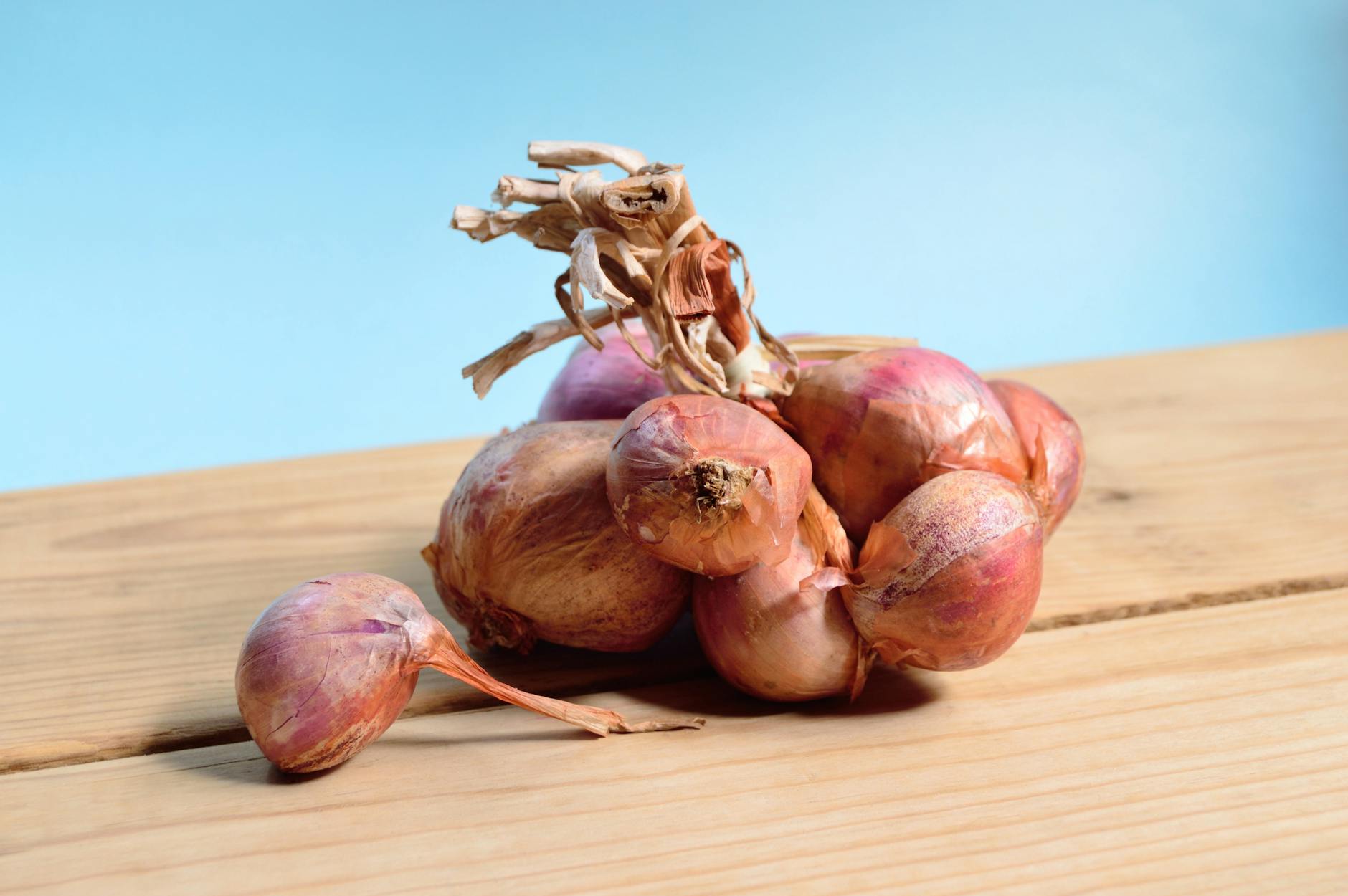
Onions belong to the allium family, and virtually all members of this plant group pose similar dangers to cats. Garlic is often cited as even more toxic than onion on a per-gram basis””some sources suggest garlic is three to five times more potent in causing red blood cell damage. Leeks, shallots, chives, and scallions all contain the same problematic sulfur compounds and should be treated as equally dangerous.
For example, a cat that chews on chive plants growing in an herb garden faces real poisoning risk, even though the amount consumed might seem negligible. Similarly, the green shoots of sprouting garlic or onions stored in kitchens attract curious cats and can cause toxicity. Some cats show particular interest in these plants, possibly attracted to the texture or smell, making secure storage essential.
Preventing Onion Exposure in Multi-Pet and Family Homes
Households with children, multiple pets, or frequent cooking present ongoing challenges for keeping cats safe from onion exposure. Establishing strict rules about never leaving plates with food residue accessible to cats, securing garbage cans, and storing alliums in closed containers or refrigerator drawers helps minimize risk. Educating all family members””including children and guests””about the specific danger onions pose to cats ensures everyone understands why this matters.
Looking forward, increased awareness among pet owners and food manufacturers may lead to better labeling and more cat-safe product options. Some pet food companies now specifically market their broths and treats as allium-free, acknowledging this common concern. Until such labeling becomes standard, vigilance remains the most reliable protection for cats in homes where cooking with onions is routine.
Conclusion
Onion toxicity in cats is a serious medical concern that demands awareness from every cat owner. The compounds in onions cause irreversible damage to red blood cells, leading to potentially fatal anemia, and cats’ unique physiology makes them exceptionally vulnerable even to small exposures. Hidden sources of onion in processed foods and seasonings make accidental poisoning a constant risk in households where cats have access to human food.
Prevention through careful food management and immediate veterinary consultation after any known or suspected onion ingestion offers the best protection. Understanding the delayed onset of symptoms””often appearing days after exposure””helps owners recognize that a cat showing no immediate distress still needs medical evaluation. By treating all allium vegetables as strictly off-limits and reading ingredient labels carefully, cat owners can significantly reduce the risk of this preventable poisoning.