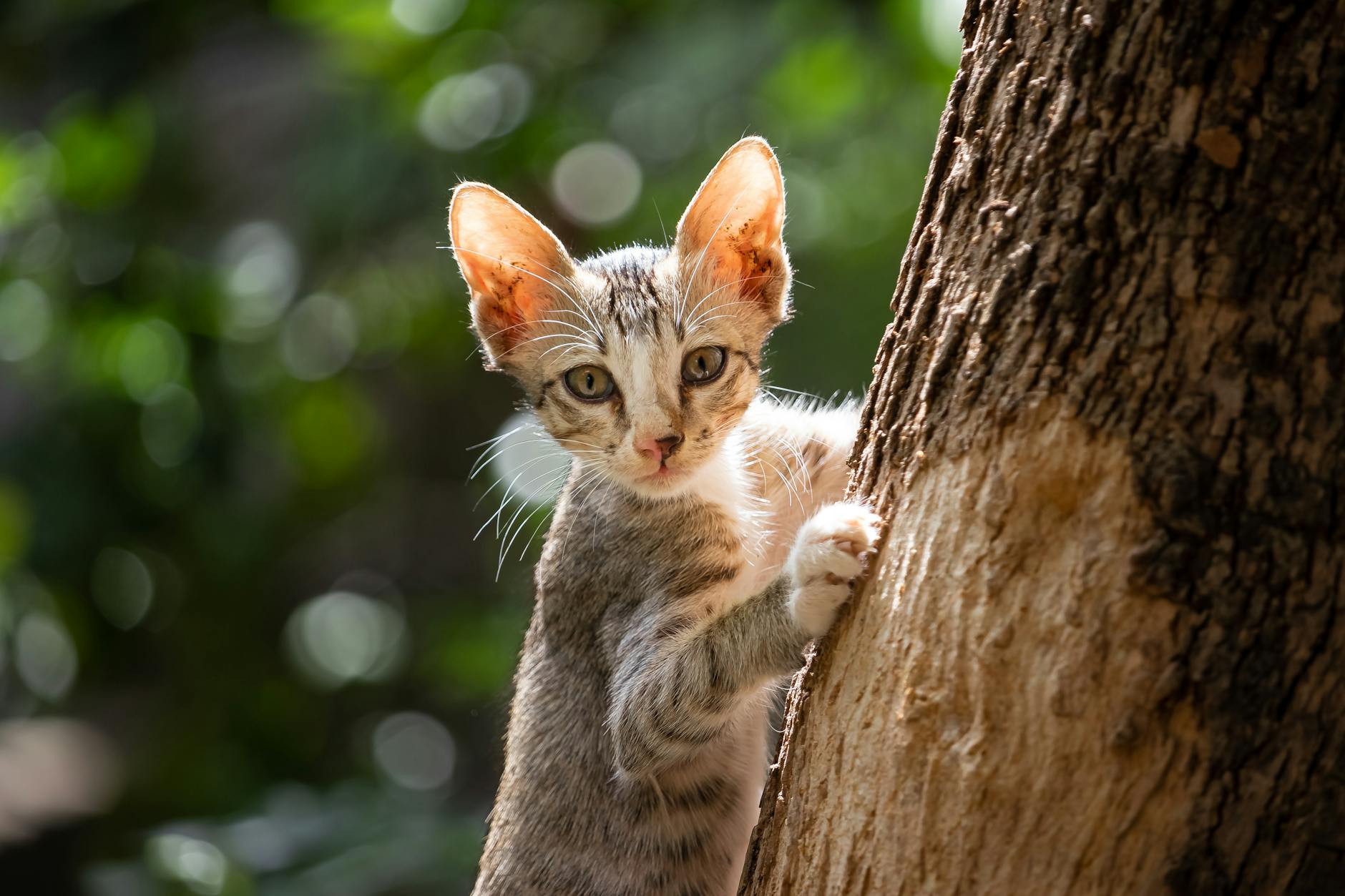
Ripe, red tomatoes are generally safe for cats to eat in small amounts, but the green parts of the tomato plant””including stems, leaves, and unripe green tomatoes””are toxic and should be kept away from your cat. The distinction matters because tomato plants contain solanine and tomatine, glycoalkaloid compounds concentrated in the green portions that can cause gastrointestinal distress, lethargy, and more serious symptoms if ingested in significant quantities. A cat who steals a bite of your ripe cherry tomato will likely be fine, but one who chews on your garden tomato plants needs veterinary attention.
The confusion around tomato safety stems from the fact that we’re really talking about two different things: the mature red fruit versus the plant itself. Many cat owners panic when their pet licks tomato sauce off a plate, but the real concern should be whether your cat has access to tomato plants, either in your garden or as houseplants. For example, a cat named Oliver in a widely shared veterinary case study experienced vomiting and hypersalivation after chewing on his owner’s potted tomato seedlings””the plant material, not the fruit, caused his symptoms. This article covers the specific compounds that make tomato plants dangerous, how much ripe tomato is acceptable, symptoms of tomato plant poisoning, what to do if your cat eats any part of a tomato plant, and safer alternatives if your cat seems drawn to tomatoes.
Table of Contents
- What Parts of the Tomato Plant Are Toxic to Cats?
- How Much Ripe Tomato Can Cats Safely Eat?
- Symptoms of Tomato Plant Poisoning in Cats
- What to Do If Your Cat Eats Tomato Plant Material
- Why Some Cats Are Attracted to Tomato Plants
- Safe Alternatives If Your Cat Craves Greens
- Long-Term Considerations for Cat Owners Who Garden
- Conclusion
What Parts of the Tomato Plant Are Toxic to Cats?
The toxic compounds in tomatoes””solanine and alpha-tomatine””are highest in the stems, leaves, vines, and unripe green fruit. These glycoalkaloids serve as the plant’s natural defense against insects and animals, and they’re present in all members of the nightshade family, which includes tomatoes, potatoes, and eggplants. As tomatoes ripen and turn red, the concentration of these compounds drops dramatically, which is why ripe tomatoes pose minimal risk compared to the plant material. Alpha-tomatine is the primary concern with tomato plants specifically.
Studies show that the leaves contain the highest concentration, followed by stems, then unripe fruit, with ripe red tomatoes containing only trace amounts. A cat would need to eat an impractically large quantity of ripe tomato to experience toxicity, but even a small amount of leaf material can cause symptoms in a sensitive cat. The difference in concentration between green and ripe portions can be tenfold or greater. This distinction explains why some sources label tomatoes as toxic while others say they’re safe””both are technically correct depending on which part of the plant is being discussed. The ASPCA lists tomato plants as toxic to cats, referring specifically to the plant material, while veterinary nutritionists note that ripe tomato flesh in small amounts isn’t a concern.
How Much Ripe Tomato Can Cats Safely Eat?
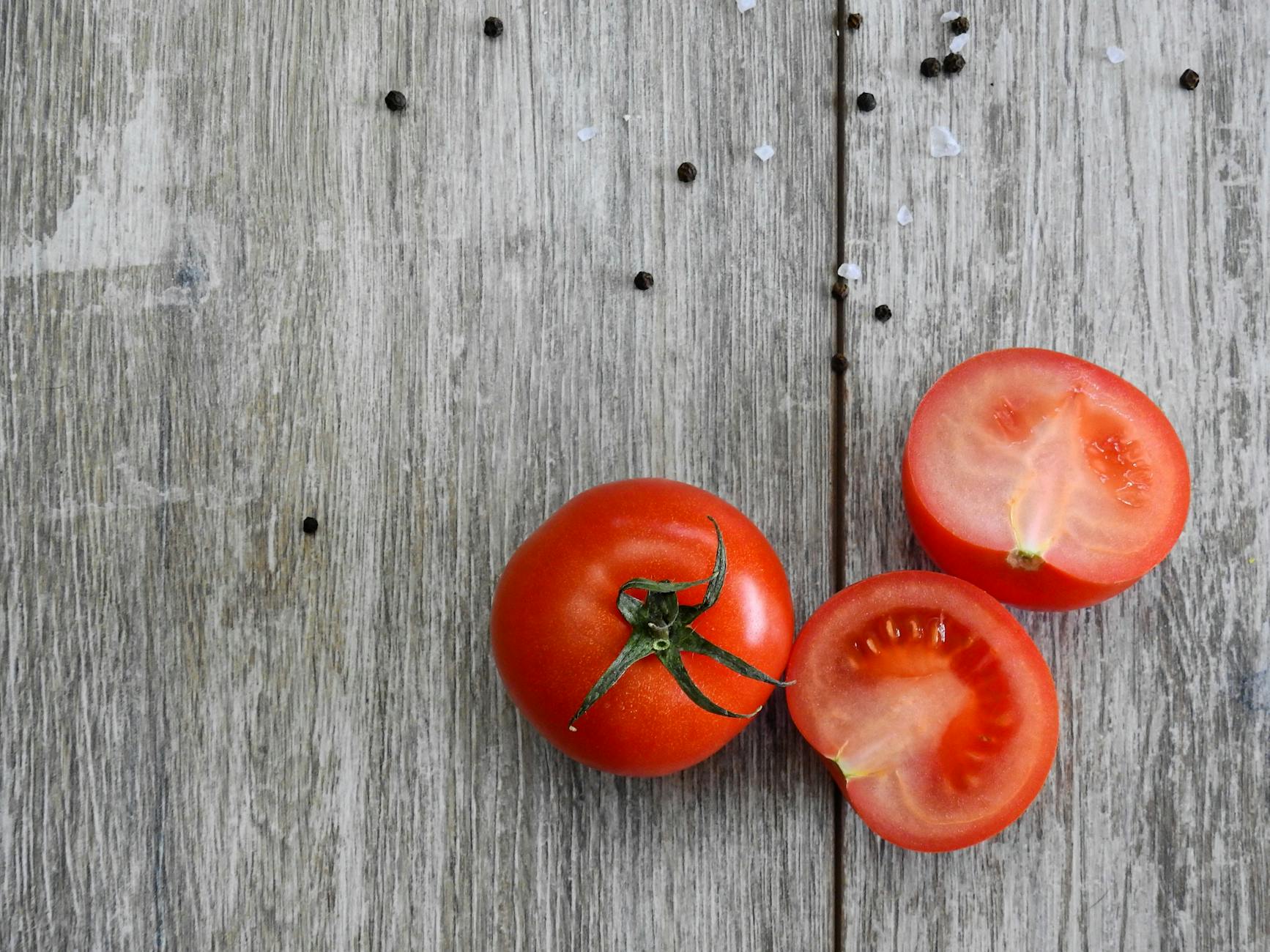
While ripe tomatoes aren’t toxic, they’re also not nutritionally necessary or particularly beneficial for cats. As obligate carnivores, cats derive their essential nutrients from animal proteins and have limited ability to digest plant matter. A small piece of ripe tomato””about the size of your thumbnail””given occasionally won’t harm most cats, but there’s no health reason to make it a regular treat. However, if your cat has a sensitive stomach, kidney issues, or is prone to gastrointestinal upset, even ripe tomatoes might cause problems. The acidity of tomatoes can irritate some cats’ digestive systems, leading to vomiting or diarrhea even without any toxic effect.
Cats with inflammatory bowel disease or chronic digestive conditions should avoid tomatoes entirely. Additionally, tomato-based products like pasta sauce, ketchup, or salsa contain onions, garlic, salt, and other ingredients that are genuinely harmful to cats””far more dangerous than the tomato itself. The practical guideline is that if your cat happens to eat a small bite of plain ripe tomato, there’s no need for concern. But actively feeding tomatoes as treats offers no benefit and introduces unnecessary variables. Better treat options exist that align with feline nutritional needs.
Symptoms of Tomato Plant Poisoning in Cats
When a cat ingests toxic portions of a tomato plant, symptoms typically appear within a few hours. The most common signs include hypersalivation (excessive drooling), vomiting, diarrhea, lethargy, and loss of appetite. In more significant exposures, cats may experience a slowed heart rate, dilated pupils, weakness, and confusion. These symptoms occur because solanine and tomatine affect the nervous system and gastrointestinal tract. A real-world example illustrates the typical presentation: a two-year-old domestic shorthair presented to an emergency veterinary clinic after her owner found her chewing on tomato plant trimmings left in the yard. Within three hours, the cat was drooling excessively, had vomited twice, and was unusually lethargic.
With supportive care including fluids and anti-nausea medication, she recovered fully within 24 hours. This outcome is typical””tomato plant poisoning in cats is rarely fatal but does require veterinary intervention. Severe toxicity is uncommon because most cats don’t find tomato plants palatable enough to eat large quantities. The bitter taste of the alkaloids serves as a natural deterrent. However, kittens, cats with pica (compulsive eating of non-food items), and particularly curious cats may consume enough to cause significant symptoms. Any cat showing neurological signs like confusion, extreme weakness, or difficulty walking after possible plant ingestion needs immediate veterinary care.
What to Do If Your Cat Eats Tomato Plant Material
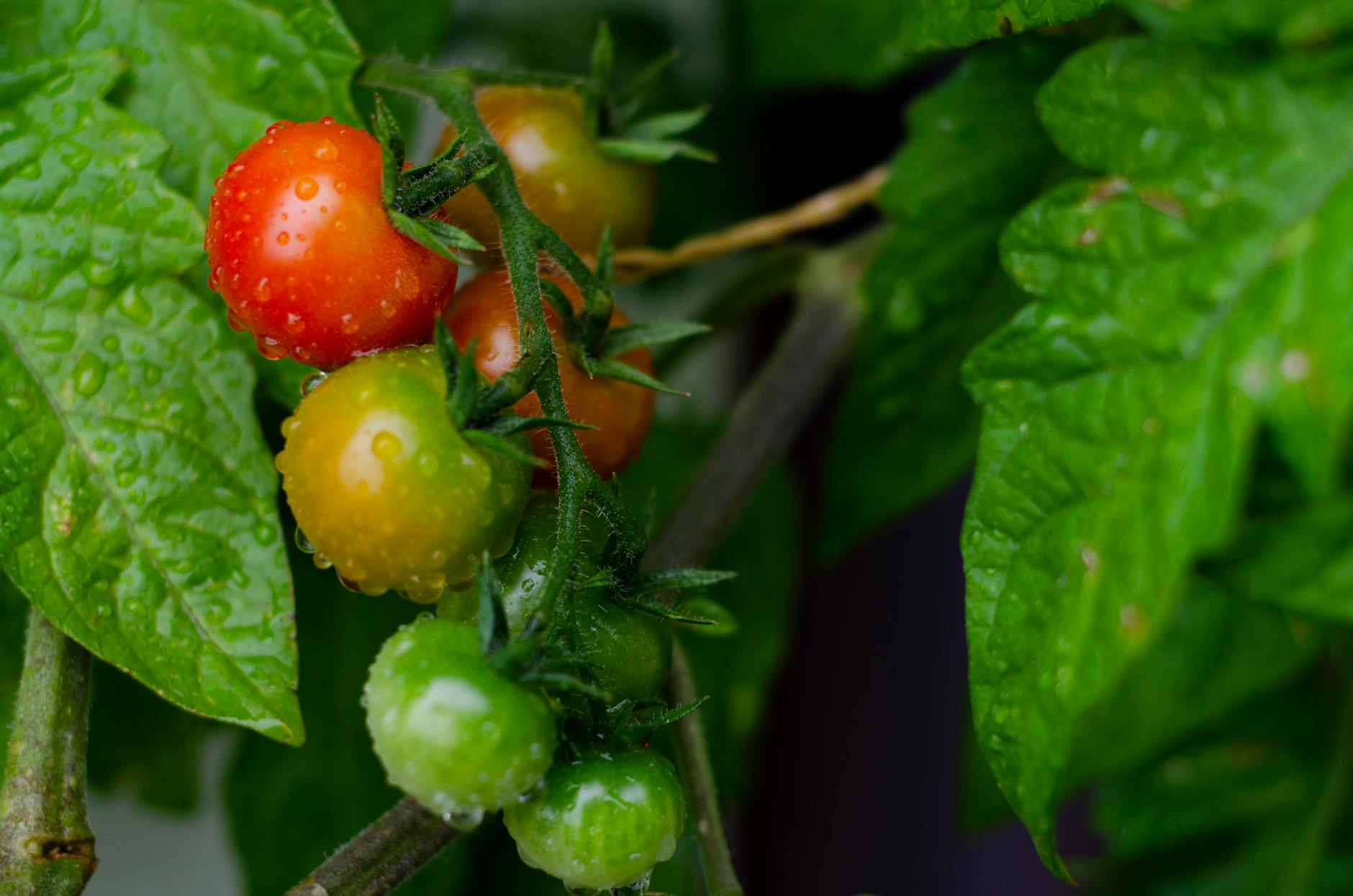
If you catch your cat eating tomato leaves, stems, or unripe fruit, remove the plant material immediately and assess how much was consumed. Check your cat’s mouth for any remaining plant pieces and note the time of ingestion. Contact your veterinarian or an animal poison control hotline (ASPCA Poison Control: 888-426-4435, Pet Poison Helpline: 855-764-7661) to determine whether your cat needs to be seen based on the amount ingested and your cat’s size. Don’t induce vomiting unless specifically instructed by a veterinarian, as this can sometimes cause more harm than the ingestion itself.
Compared to some other toxic plants like lilies, which cause rapid kidney failure and require immediate aggressive treatment, tomato plant ingestion is generally less severe but still warrants professional guidance. The tradeoff between waiting to see if symptoms develop versus seeking immediate care depends on the quantity consumed””a single nibbled leaf in a healthy adult cat might be monitored at home, while a kitten who ate multiple leaves should be seen promptly. Bring a sample of the plant material to the vet if possible, or take a photo. This helps confirm what was ingested, as other plants may be more dangerous. Keep the receipt or product information if it was a commercially purchased tomato plant, since some may have been treated with pesticides that introduce additional concerns beyond the plant’s natural toxicity.
Why Some Cats Are Attracted to Tomato Plants
The appeal of tomato plants to certain cats remains somewhat mysterious, but several theories exist. Some cats are drawn to the texture of the leaves for chewing, similar to their attraction to grass. The plant’s smell””that distinctive “tomato leaf” scent that humans associate with gardens””may be interesting to cats in ways we don’t fully understand. Additionally, cats with pica or nutritional deficiencies may seek out plant material indiscriminately.
Indoor cats may be particularly attracted to tomato plants simply because they represent novel greenery in an otherwise plant-free environment. A cat who has never shown interest in houseplants might suddenly find a new tomato seedling irresistible out of curiosity or boredom. This is why cat owners who want to grow tomatoes indoors or on accessible balconies need to use physical barriers””placing plants in rooms the cat cannot access, using hanging planters, or surrounding plants with chicken wire or similar deterrents. One limitation of deterrent sprays marketed to keep cats away from plants is that they’re often ineffective and may need frequent reapplication. Physical separation remains the most reliable method for keeping cats away from toxic plants.
Safe Alternatives If Your Cat Craves Greens
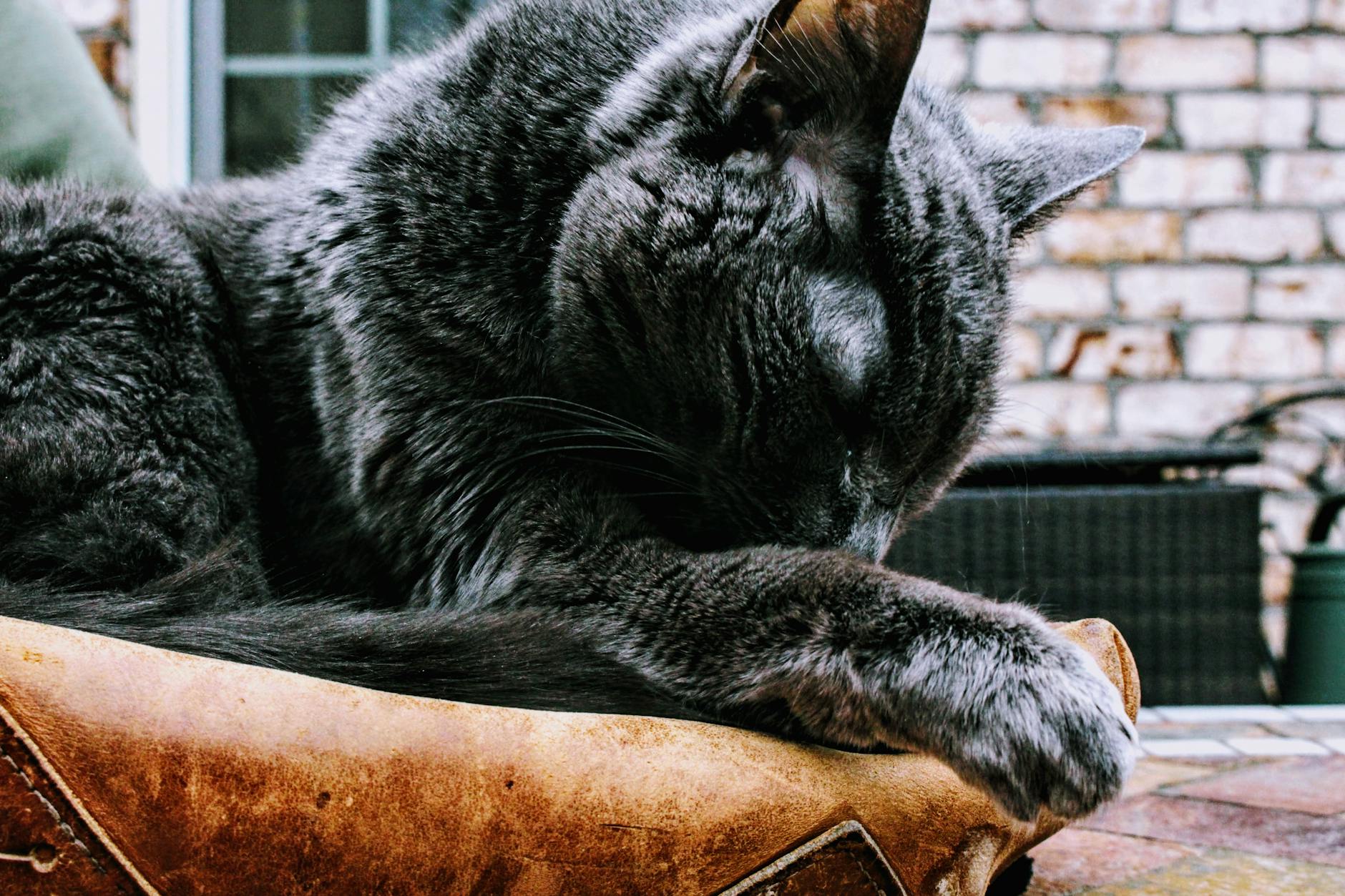
If your cat seems interested in plant material, providing safe alternatives can satisfy this urge without the risks associated with tomato plants or other toxic species. Cat grass (typically wheat, oat, or barley grass) is the most popular option””it’s safe, easy to grow, and many cats enjoy nibbling on it. Catnip and cat thyme are other non-toxic options that appeal to many felines.
For example, a cat who repeatedly tried to access her owner’s tomato plants lost interest entirely once a pot of cat grass was placed nearby. The cat grass provided the texture and chewing experience she wanted without any of the risks. Not every cat will respond this way, but offering a safe alternative is worth trying before concluding that your cat simply cannot be around plants.
Long-Term Considerations for Cat Owners Who Garden
If you’re both a cat owner and a gardener, managing your cat’s access to potentially harmful plants is an ongoing consideration. Tomatoes are just one of many common garden plants that pose risks””others include lilies, azaleas, chrysanthemums, and foxglove, some of which are far more dangerous than tomatoes. Creating a “cat-safe” section of your garden or using enclosed raised beds can allow you to enjoy gardening while protecting your cat.
Indoor gardening presents its own challenges, as cats have more constant access to houseplants. Vertical gardening systems, enclosed terrariums, and dedicated plant rooms with closed doors offer solutions. As interest in home food gardening continues to grow, more products designed to keep pets safe around plants are becoming available, though physical barriers remain more effective than sprays or electronic deterrents.
Conclusion
Ripe red tomatoes in small amounts won’t harm your cat, but the green parts of tomato plants contain toxic compounds that can cause gastrointestinal upset and other symptoms. The key takeaway is prevention: keep tomato plants, seedlings, and garden trimmings away from areas your cat can access, and don’t assume that a lack of previous interest means your cat will never investigate.
If your cat does ingest tomato plant material, contact your veterinarian or poison control for guidance based on the amount consumed. Most cases resolve with supportive care, but prompt attention ensures the best outcome. For cat owners who garden, balancing the joy of growing your own tomatoes with feline safety requires some planning, but it’s entirely achievable with appropriate physical barriers and awareness.