Yes, cats can safely eat sweet potatoes in small amounts, but this food offers little nutritional benefit for felines and comes with some important caveats. Sweet potatoes are not toxic to cats, meaning an occasional bite of plain, cooked sweet potato will not poison your pet. However, cats are obligate carnivores whose digestive systems are designed to process animal protein, not plant-based carbohydrates.
A cat who sneaks a piece of roasted sweet potato from your plate will likely be fine, but making this vegetable a regular part of their diet is neither necessary nor particularly advisable. The key distinction is between “safe” and “beneficial.” While a small amount of mashed sweet potato without any seasonings, butter, or marshmallows poses no immediate danger, cats lack the digestive enzymes to efficiently break down and absorb nutrients from plant matter. For example, while sweet potatoes are rich in beta-carotene, cats cannot convert this compound into vitamin A the way humans and dogs can””they require preformed vitamin A from animal sources. This article will explore the specific risks and considerations around feeding sweet potatoes to cats, how to prepare them safely if you choose to offer a taste, which cats should avoid them entirely, and what alternatives might be more appropriate for your feline companion.
Table of Contents
- Can Cats Digest Sweet Potatoes Properly?
- Nutritional Value of Sweet Potatoes for Felines
- Which Cats Should Avoid Sweet Potatoes Entirely
- Signs of Digestive Distress and When to Call the Vet
- Healthier Treat Alternatives for Cats
- The Verdict on Sweet Potatoes in Cat Food
- Conclusion
Can Cats Digest Sweet Potatoes Properly?
cats possess a short digestive tract optimized for breaking down meat, and their bodies produce minimal amounts of the enzymes needed to process carbohydrates effectively. When a cat eats sweet potato, much of the starch passes through their system without being fully digested, which can lead to gastrointestinal upset including gas, bloating, or loose stools. Unlike dogs, who have evolved alongside humans to tolerate more varied diets, cats retain the strict carnivore biology of their wild ancestors. The fiber content in sweet potatoes presents a double-edged consideration. In very small quantities, fiber can aid a cat’s digestion and help with hairball management.
However, too much fiber causes the opposite effect, leading to diarrhea or constipation depending on the individual cat’s system. A domestic shorthair weighing ten pounds might tolerate a teaspoon of mashed sweet potato, while the same amount could cause digestive distress in a smaller cat or one with a sensitive stomach. The caloric density of sweet potatoes also matters””at roughly 90 calories per 100 grams, this starchy vegetable can contribute to weight gain in indoor cats who already struggle with obesity. Raw sweet potatoes present additional digestive challenges and should never be offered to cats. The uncooked starch is even harder for felines to process, and the firm texture poses a choking hazard. Always cook sweet potatoes thoroughly and mash or puree them before offering a small taste to your cat.

Nutritional Value of Sweet Potatoes for Felines
Sweet potatoes contain vitamins and minerals that benefit humans””vitamin A, vitamin C, potassium, and manganese among them””but the feline body processes these nutrients differently or not at all. cats synthesize their own vitamin C internally and do not require dietary sources. As mentioned earlier, the beta-carotene abundant in sweet potatoes cannot be converted to usable vitamin A by cats, rendering this supposed benefit irrelevant for feline nutrition. The high carbohydrate content of sweet potatoes runs contrary to a cat’s natural dietary needs. Wild cats derive less than two percent of their calories from carbohydrates, obtaining their energy primarily from protein and fat.
Domestic cats fed high-carbohydrate diets face increased risks of obesity, diabetes, and other metabolic disorders. However, if your cat is underweight or recovering from illness and refuses to eat, a small amount of sweet potato mixed with their regular food might encourage appetite””though this should be discussed with your veterinarian rather than attempted independently. Some commercial cat foods include sweet potato as a grain-free carbohydrate source or binding agent. These formulations typically contain small, calculated amounts that have been deemed safe during feeding trials. The sweet potato content in such foods is carefully balanced with animal proteins and other nutrients to meet feline dietary requirements, which differs significantly from offering table scraps.
Which Cats Should Avoid Sweet Potatoes Entirely
Diabetic cats should never be fed sweet potatoes due to the vegetable’s high glycemic index and carbohydrate load. Introducing sweet potato to a diabetic cat’s diet can cause dangerous blood sugar spikes that interfere with insulin regulation. Even a small amount can disrupt carefully managed treatment protocols and lead to serious health complications requiring veterinary intervention. Cats with inflammatory bowel disease, chronic pancreatitis, or other gastrointestinal conditions also fall into the high-risk category. These conditions compromise the digestive system’s already limited ability to handle plant matter, potentially triggering flare-ups, vomiting, or painful intestinal inflammation. A cat named Oliver, treated for chronic IBD at a veterinary hospital in Ohio, experienced a severe episode after his owner shared holiday sweet potato casserole, requiring several days of IV fluids and medication to stabilize. Kittens under one year old should stick to specially formulated kitten food that provides the concentrated protein and nutrients needed for growth. Their developing digestive systems are even less equipped to handle carbohydrate-heavy foods, and filling up on sweet potato could displace the essential nutrients they need. Senior cats with declining kidney function should also avoid sweet potatoes, as the potassium content, while modest, can contribute to electrolyte imbalances in cats with compromised renal health. ## How to Safely Prepare Sweet Potatoes for Cats If you decide to offer your cat a taste of sweet potato, preparation matters significantly.
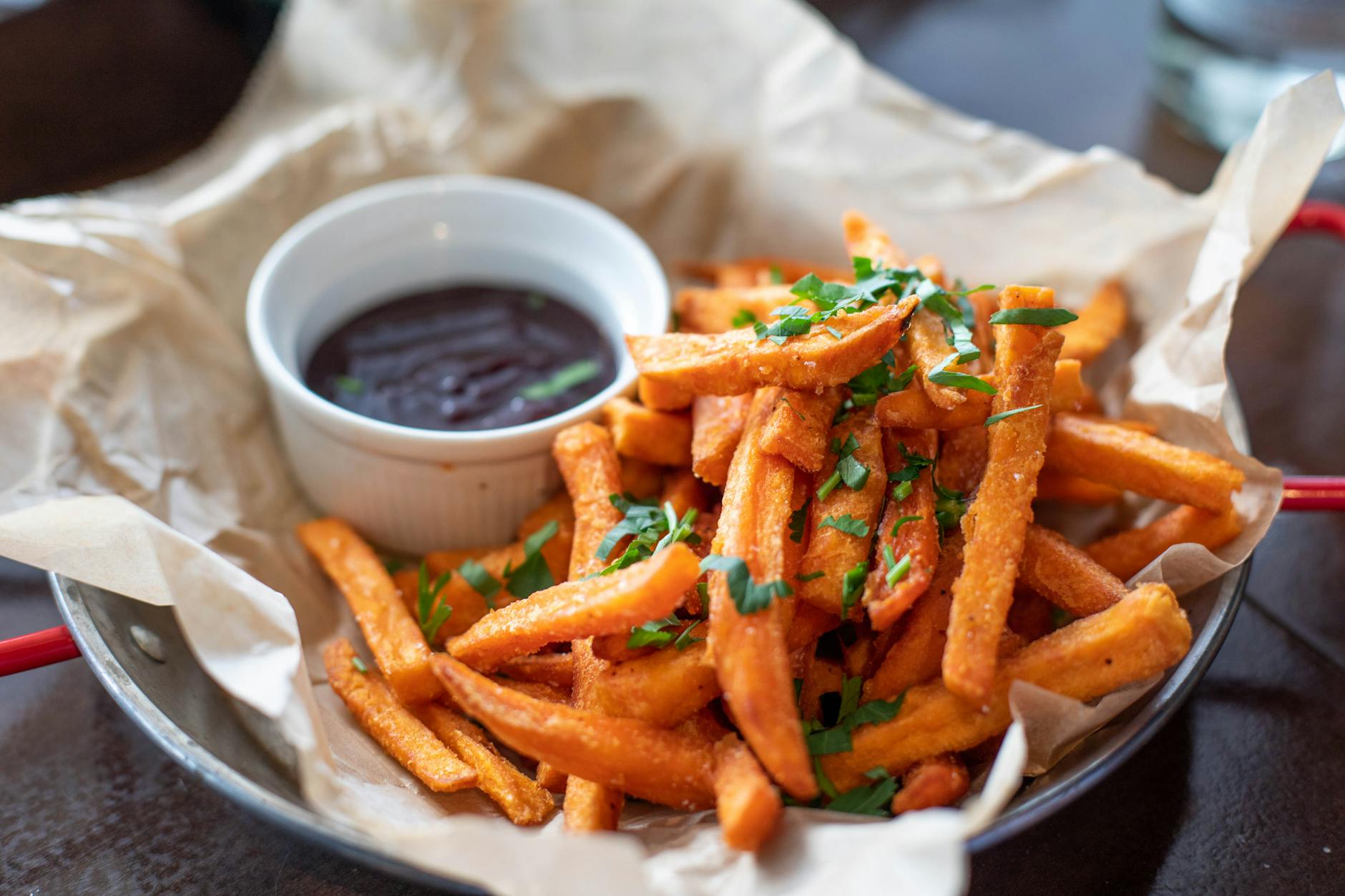
Begin with a plain, organic sweet potato that has not been treated with pesticides or preservatives. Wash it thoroughly, peel the skin completely, and either bake, boil, or steam it until soft throughout. The skin is difficult for cats to digest and may contain residual chemicals or dirt that could irritate their stomach. Never add any seasonings, butter, salt, sugar, marshmallows, or other toppings that commonly accompany human sweet potato dishes. Garlic and onion powder, frequently used in savory preparations, are toxic to cats and can cause hemolytic anemia even in small amounts. Cinnamon, nutmeg, and other spices used in sweet potato pies can also cause adverse reactions. Plain mashed sweet potato with no additions whatsoever is the only preparation suitable for cats. Portion control cannot be overstated. A cat weighing ten pounds should receive no more than one teaspoon of mashed sweet potato, offered no more than once per week at the absolute maximum. Compare this to commercial cat treats, which are formulated specifically for feline digestion and provide the flavor variety cats enjoy without the digestive complications. When weighing the tradeoffs between offering sweet potato versus purpose-made treats, the commercial options provide more predictable outcomes with less preparation effort.
Signs of Digestive Distress and When to Call the Vet
Even cats who tolerate sweet potato initially may develop problems with repeated exposure or slightly larger portions. Watch for vomiting within a few hours of eating, which indicates the stomach is rejecting the unfamiliar food. Diarrhea appearing 12 to 24 hours later suggests the sweet potato moved through the intestinal tract without proper digestion. Excessive gas, abdominal bloating, or a hunched posture indicating stomach pain also warrant concern. More serious symptoms require immediate veterinary attention.
If your cat exhibits lethargy, refuses to eat for more than 24 hours, shows signs of dehydration such as dry gums or skin tenting, or passes blood in their stool, contact your veterinarian or an emergency animal hospital right away. These symptoms could indicate intestinal blockage, severe inflammation, or other complications beyond simple digestive upset. The limitation of home monitoring is that internal complications are not always visible externally until they become critical. Cats who have eaten sweet potato prepared with toxic ingredients like garlic, onion, nutmeg, or excessive salt need veterinary evaluation regardless of whether symptoms appear immediately. Toxicity from these substances can develop over hours or days, and early intervention significantly improves outcomes. Keep the ingredient list from whatever preparation your cat consumed to share with the veterinary team.
Healthier Treat Alternatives for Cats
Commercially produced cat treats formulated specifically for feline biology offer safer ways to reward your pet or add variety to their diet. Freeze-dried chicken, salmon, or shrimp treats provide the protein cats crave in forms their bodies can efficiently use. Many cats also enjoy small pieces of plain cooked chicken, turkey, or fish as occasional treats””these align with their carnivorous nature and pose minimal digestive risk.
For cats who seem drawn to vegetables, small amounts of steamed pumpkin or cooked carrots may satisfy curiosity with slightly less carbohydrate density than sweet potato. Pumpkin in particular has become popular as a fiber supplement for cats with constipation, though it should be plain canned pumpkin without spices rather than pie filling. As an example, a teaspoon of plain pumpkin contains about 4 calories compared to sweet potato’s 9 calories per teaspoon, making it a lighter option for weight-conscious cats.

The Verdict on Sweet Potatoes in Cat Food
The presence of sweet potato in some commercial cat foods does not necessarily endorse offering table scraps to your pet. Pet food manufacturers conduct feeding trials, nutritional analyses, and digestibility studies before including ingredients in their formulations. The sweet potato in these products is processed and balanced with other ingredients to minimize digestive impact while serving as a binding agent or grain-free carbohydrate source.
Looking ahead, the pet food industry continues researching optimal ingredient combinations for feline health, with increasing emphasis on species-appropriate nutrition. The trend toward higher-protein, lower-carbohydrate cat foods reflects growing understanding that cats thrive on diets mimicking what they would eat in nature. While sweet potato may remain a component of some formulas, pet nutritionists generally recommend that cat owners prioritize animal protein sources and view plant-based ingredients as minor additions rather than dietary staples.
Conclusion
Sweet potatoes are not toxic to cats, but “not toxic” and “recommended” are very different standards. The occasional small taste of plain, cooked sweet potato will not harm most healthy adult cats, but this vegetable offers no meaningful nutritional benefits for felines and carries real risks of digestive upset, weight gain, and blood sugar disruption. Cats with diabetes, gastrointestinal disorders, kidney problems, or those at the extremes of age should avoid sweet potatoes entirely.
If you want to share food moments with your cat, stick with species-appropriate options like small pieces of cooked plain meat or commercially formulated treats designed for feline digestion. When in doubt about any human food, consult your veterinarian before offering it to your pet. Your cat’s health depends on a diet centered around animal protein, not on sampling items from your Thanksgiving table.