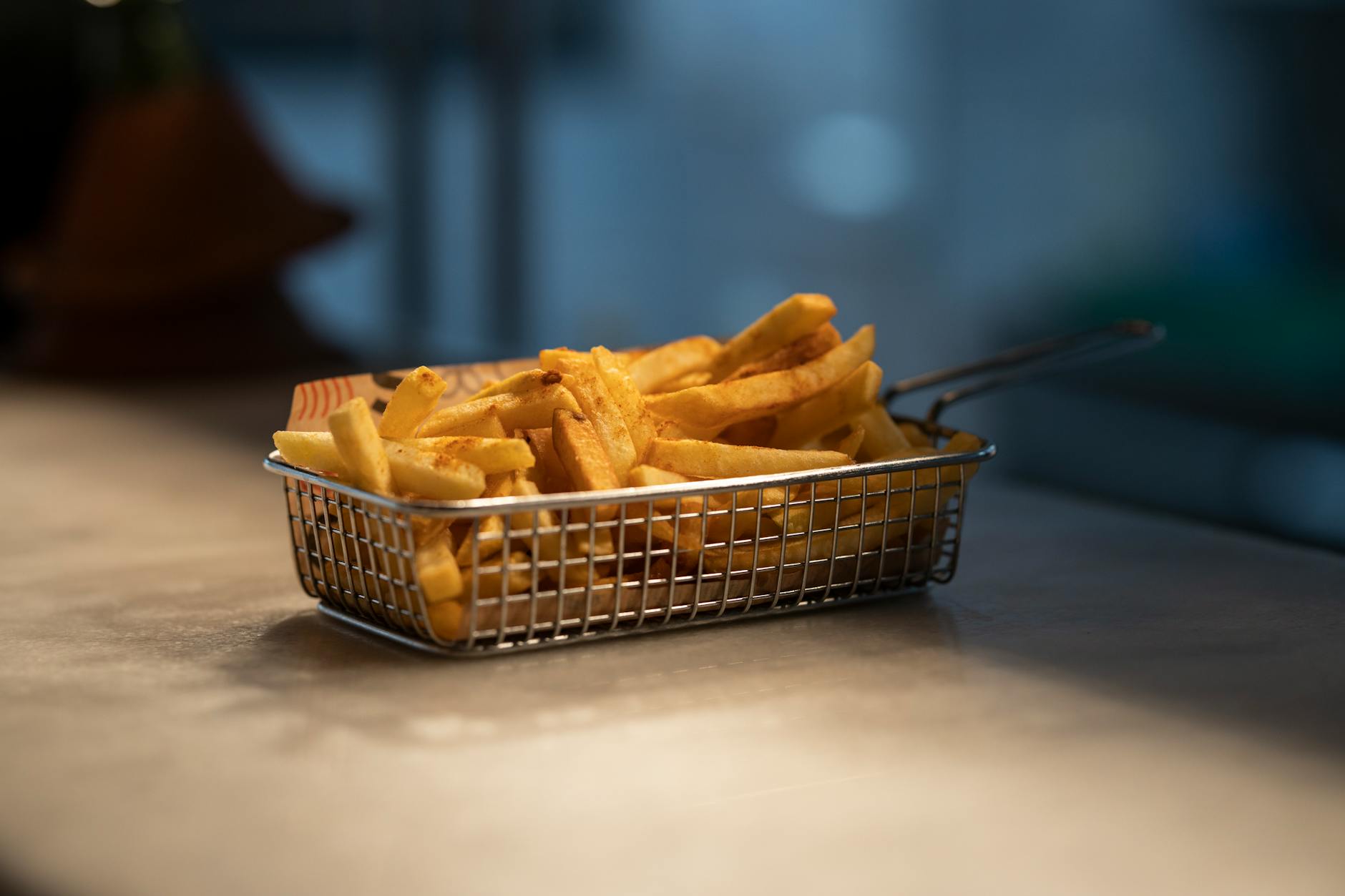
Plain, fully cooked potatoes are generally safe for cats to eat in small amounts, but they offer little nutritional benefit and come with several important caveats. The key word here is “cooked””raw potatoes and any green parts of the potato plant contain solanine, a toxic compound that can cause serious gastrointestinal distress and neurological symptoms in cats. A small bite of baked or boiled potato without any seasonings, butter, or toppings won’t harm most healthy cats, but it shouldn’t become a regular part of their diet. Consider a common scenario: you’re eating dinner and your cat is staring at your plate, fixated on that fluffy mashed potato.
Giving in and offering a tiny taste isn’t likely to cause harm, provided the potato is plain. However, the mashed potatoes most of us actually eat contain butter, milk, salt, garlic, or chives”ingredients that range from unnecessary to genuinely dangerous for cats. This distinction between theoretical safety and practical reality matters enormously when deciding what human foods to share with your pet. This article covers the specific risks associated with different potato preparations, why cats don’t need carbohydrates the way humans do, which potato-related foods are genuinely toxic, and how to respond if your cat consumes something they shouldn’t. Understanding these nuances helps you make informed decisions rather than relying on oversimplified yes-or-no answers about feline nutrition.
Table of Contents
- Can Cats Digest Potatoes the Same Way Humans Do?
- The Real Danger: Raw Potatoes and Solanine Toxicity
- Potato Preparations That Are Toxic to Cats
- How Much Potato Can a Cat Safely Eat?
- Cats with Health Conditions: When Potatoes Are Off Limits
- Sweet Potatoes vs. Regular Potatoes: Is One Better for Cats?
- When to Contact Your Veterinarian
- Conclusion
Can Cats Digest Potatoes the Same Way Humans Do?
Cats are obligate carnivores, meaning their digestive systems evolved to process meat as their primary food source. Unlike omnivores such as humans and dogs, cats lack certain enzymes that efficiently break down plant-based carbohydrates. While a cat’s body can extract some energy from cooked starches, it does so far less efficiently than from protein and fat. This biological reality means that even when potatoes are safe for cats to consume, they provide minimal nutritional value compared to animal-based foods. The comparison to dogs is instructive here. Dogs, having evolved alongside humans for thousands of years as scavengers and companions, developed greater capacity to digest starches.
A 2013 study published in Nature identified genetic changes in dogs related to starch digestion that cats simply don’t share. This is why many commercial dog foods include grains and vegetables as significant ingredients, while high-quality cat foods emphasize protein content. Feeding your cat potatoes as anything more than an occasional, tiny treat essentially fills stomach space that could be occupied by nutritionally appropriate food. From a practical standpoint, most cats show limited interest in plain potatoes anyway. Cats lack taste receptors for sweetness and are generally attracted to foods by their fat content, protein, and amino acid profiles. A plain boiled potato has none of these appealing characteristics, which is why cats who beg for potatoes are usually reacting to the butter, cheese, or meat juices that accompany them on your plate.
The Real Danger: Raw Potatoes and Solanine Toxicity
Raw potatoes pose a genuine health risk to cats that cooked potatoes do not. Potatoes belong to the nightshade family (Solanaceae), and the raw tubers”particularly any green portions, the skin, and the eyes or sprouts”contain glycoalkaloids, primarily solanine and chaconine. These compounds serve as the plant’s natural defense against pests and disease, but they’re also toxic to cats, dogs, and humans when consumed in sufficient quantities. Symptoms of solanine poisoning in cats include severe gastrointestinal upset (vomiting, diarrhea, abdominal pain), lethargy, weakness, confusion, and in serious cases, slowed heart rate and difficulty breathing. A cat would need to consume a relatively significant amount of raw potato to experience severe toxicity, but cats are smaller than humans and more sensitive to many compounds.
Even a few bites of raw potato with green spots could cause noticeable digestive distress in a small cat. However, if your cat licks a raw potato once or takes a single bite and walks away, there’s usually no need for emergency intervention. Monitor for symptoms over the next 12 to 24 hours, and contact your veterinarian if you notice vomiting, diarrhea, unusual lethargy, or behavioral changes. The dose makes the poison, and brief incidental exposure typically doesn’t reach toxic thresholds. That said, store raw potatoes in closed cabinets or areas your cat cannot access”prevention is simpler than treatment.
Potato Preparations That Are Toxic to Cats
Beyond raw potatoes, many common potato dishes contain ingredients that range from problematic to outright dangerous for cats. Understanding these hazards helps you recognize that “cooked potato” doesn’t mean “any potato dish from your kitchen.” garlic and onion top the list of dangerous additions. Both belong to the allium family and cause oxidative damage to feline red blood cells, leading to a condition called Heinz body anemia. Garlic is roughly five times more toxic to cats than onions by weight. Many mashed potato recipes include garlic powder, sautéed onions, or chives, and even small amounts consumed repeatedly can cause cumulative damage.
A cat who regularly receives bites of garlic mashed potatoes is at genuine risk of developing anemia over time, even if no single exposure causes obvious immediate symptoms. Salt is another concern, particularly in french fries, potato chips, and seasoned preparations. Cats have a low tolerance for sodium, and excessive salt intake can lead to vomiting, diarrhea, tremors, elevated body temperature, and in severe cases, sodium ion poisoning. A few licks of a salty potato chip won’t cause toxicity, but the combination of salt, oil, and various flavorings makes processed potato products unsuitable for cats. The limitation here is clear: the further a potato dish strays from a plain, unseasoned preparation, the more potential hazards it introduces.

How Much Potato Can a Cat Safely Eat?
If you decide to give your cat a taste of plain cooked potato, portion size matters significantly. A piece roughly the size of your thumbnail”about half a teaspoon”represents an appropriate occasional treat for an average adult cat. This amount is small enough that it won’t displace meaningful nutrition or introduce excessive carbohydrates, while satisfying your cat’s curiosity or your desire to share. The tradeoff between offering human food treats and maintaining a nutritionally complete diet deserves consideration. Commercial cat treats are formulated with feline nutrition in mind and typically contain protein-based ingredients.
A commercial treat provides some nutritional benefit; a piece of potato provides essentially none. If you enjoy giving your cat treats, choosing appropriate commercial options or small pieces of plain cooked meat (chicken, turkey, or fish without seasonings) delivers both the bonding experience you seek and nutrition your cat can actually use. Frequency matters as much as portion size. A tiny bite of plain potato once a month poses no health concern for most cats. Offering potato daily, even in small amounts, can contribute to weight gain and dilute the overall nutritional quality of your cat’s diet. Cats have small daily caloric needs”an average 10-pound indoor cat requires only about 200 calories per day”and treats of any kind should represent no more than 10 percent of total caloric intake.
Cats with Health Conditions: When Potatoes Are Off Limits
Certain feline health conditions make even plain cooked potatoes inadvisable. Diabetic cats represent the clearest example. Carbohydrates convert to glucose during digestion, and cats with diabetes struggle to regulate blood sugar levels. Introducing starchy foods like potatoes can cause blood glucose spikes that complicate management of the disease. If your cat has diabetes, stick exclusively to veterinarian-approved foods and treats. Cats with kidney disease face different but equally important restrictions. While potatoes themselves aren’t high in the minerals typically restricted in renal diets, any deviation from prescribed nutrition can compromise carefully managed treatment plans.
Veterinary renal diets are precisely formulated for specific protein, phosphorus, and sodium levels”adding random human foods disrupts this balance. Similarly, cats with inflammatory bowel disease or food sensitivities may react poorly to new foods, including potatoes, even when those foods would be harmless to healthy cats. The warning here extends to cats with obesity issues. Potatoes are calorie-dense carbohydrates with minimal satiety value for cats. An overweight cat needs careful calorie control and high-protein nutrition to lose weight safely while maintaining muscle mass. Adding empty carbohydrate calories works directly against weight loss goals. When in doubt about whether any human food is appropriate for a cat with health conditions, consult your veterinarian rather than assuming safety.

Sweet Potatoes vs. Regular Potatoes: Is One Better for Cats?
Sweet potatoes are not closely related to white potatoes”they belong to the morning glory family rather than the nightshade family”and they don’t contain solanine. This makes raw sweet potato less acutely dangerous than raw white potato, though neither is recommended as cat food. Cooked plain sweet potato is generally considered as safe as cooked white potato for cats, with similar limitations regarding nutritional value. Some cat owners assume sweet potatoes are healthier because humans consider them more nutritious.
Sweet potatoes do contain more fiber, vitamin A, and certain antioxidants than white potatoes. However, cats have different nutritional requirements than humans. Cats synthesize vitamin A from animal-based precursors and don’t efficiently use plant-based beta-carotene the way humans do. The additional fiber in sweet potatoes may actually cause more digestive upset in cats than white potatoes would. Neither variety offers meaningful nutritional benefits to cats, so choosing between them is somewhat beside the point.
When to Contact Your Veterinarian
If your cat consumes raw potato, green potato portions, or a potato dish containing garlic, onions, or excessive salt, monitoring becomes essential. Mild gastrointestinal upset”a single episode of vomiting or soft stool”often resolves without intervention, but certain symptoms warrant immediate veterinary attention. These include repeated vomiting, bloody diarrhea, visible weakness or coordination problems, rapid breathing, pale gums, or collapse. Looking ahead, the growing interest in home-prepared cat diets makes understanding food safety increasingly important.
More cat owners are exploring fresh food options rather than relying exclusively on commercial products. This trend has benefits, but it also creates opportunities for well-intentioned mistakes. Potatoes sometimes appear in homemade cat food recipes found online, often without adequate warnings about preparation requirements or portion limitations. As you learn more about feline nutrition, maintain healthy skepticism about recipes that include significant plant-based ingredients. Cats thrive on meat-based diets, and any plant foods should remain incidental rather than foundational.
Conclusion
Plain, fully cooked potatoes without seasonings or toppings are not toxic to cats and can be offered as occasional tiny treats without significant concern. However, the practical reality is more nuanced than simple safety”raw potatoes contain harmful solanine, many potato preparations include ingredients dangerous to cats, and even safe potatoes provide no nutritional benefit to obligate carnivores. The distinction between “not harmful” and “good for your cat” matters when making feeding decisions.
The most reasonable approach treats potatoes as something your cat can technically have rather than something they should have. If your cat shows interest and you want to share a small bite of plain baked potato, doing so occasionally won’t cause harm. For regular treats and snacks, choose options specifically designed for cats or small portions of plain cooked meat. When in doubt about any food, especially if your cat has existing health conditions, your veterinarian remains the best resource for personalized guidance.