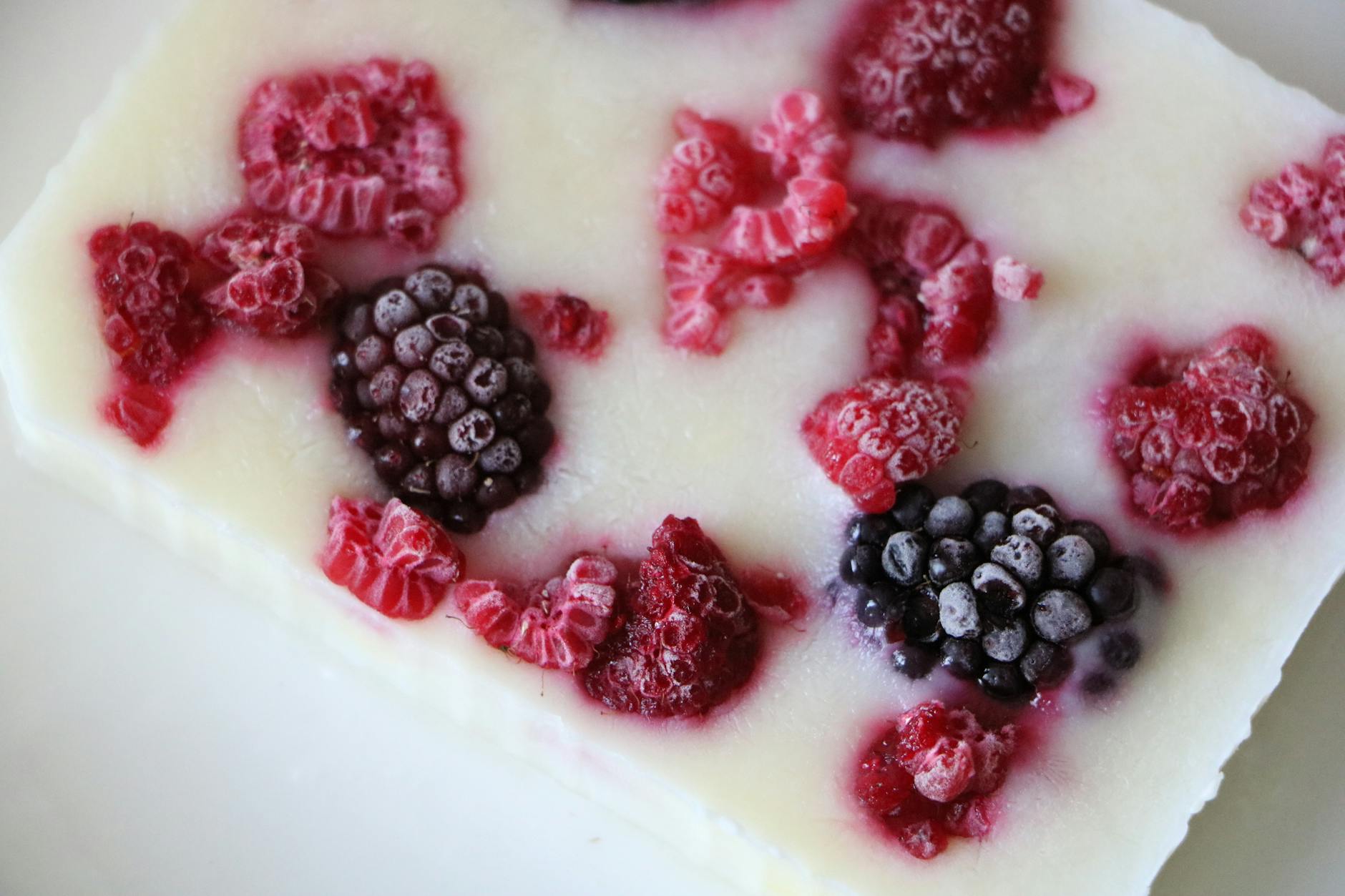
Plain, unsweetened yogurt is generally safe for cats to eat in small amounts, but it comes with important caveats that every cat owner should understand. Most adult cats are lactose intolerant to varying degrees, which means dairy products can cause digestive upset including diarrhea, vomiting, and stomach discomfort. However, yogurt contains live bacterial cultures that partially break down lactose during fermentation, making it easier to digest than milk. A teaspoon of plain yogurt as an occasional treat is unlikely to harm most cats, but it should never become a dietary staple. Consider a common scenario: you’re eating breakfast and your cat shows intense interest in your yogurt parfait. While a small lick of plain yogurt probably won’t send you rushing to the vet, that fruit-flavored variety with added sugars and artificial sweeteners could be genuinely dangerous.
Xylitol, an artificial sweetener found in some yogurt products, is toxic to cats. The distinction between safe and unsafe yogurt comes down to ingredients, portion size, and your individual cat’s digestive tolerance. This article covers how cats process dairy, which yogurt types to avoid entirely, potential benefits of probiotic cultures, and practical guidelines for offering yogurt safely. Beyond safety, many owners wonder whether yogurt offers any nutritional value for cats. While yogurt does contain protein, calcium, and beneficial bacteria, cats are obligate carnivores whose nutritional needs are best met through meat-based diets. Yogurt should be viewed as an occasional treat rather than a health supplement, and some cats will do better without it entirely.
Table of Contents
- Why Are Most Cats Lactose Intolerant Despite Loving Dairy?
- Which Types of Yogurt Are Dangerous for Cats?
- Can Yogurt Provide Probiotic Benefits for Cats?
- How Much Yogurt Can You Safely Give a Cat?
- What Symptoms Indicate Your Cat Cannot Tolerate Yogurt?
- Are There Cats Who Should Never Have Yogurt?
- Could Yogurt Ever Be Recommended by Veterinarians?
- Conclusion
Why Are Most Cats Lactose Intolerant Despite Loving Dairy?
The image of a cat happily lapping up a bowl of milk is deeply embedded in popular culture, but the biological reality tells a different story. Kittens produce an enzyme called lactase that allows them to digest their mother’s milk effectively. As cats mature, most experience a natural decline in lactase production, leaving them unable to properly break down the lactose sugar found in dairy products. When undigested lactose reaches the large intestine, it ferments and draws water into the gut, resulting in cramping, gas, and diarrhea. The degree of lactose intolerance varies significantly between individual cats. Some cats retain enough lactase activity to handle small amounts of dairy without obvious symptoms, while others react to even trace amounts.
A 2019 survey of veterinary practices found that gastrointestinal upset from dairy consumption ranked among the most common dietary indiscretions reported by cat owners. Unlike lactose intolerance in humans, which often develops gradually, cats typically become intolerant relatively quickly after weaning. Yogurt presents a partial workaround because the fermentation process reduces lactose content by 20-30% compared to regular milk. The live cultures continue breaking down lactose even after ingestion, which can improve digestibility for some cats. However, this reduction doesn’t eliminate the risk entirely. Greek yogurt contains even less lactose than regular yogurt due to the straining process that removes much of the liquid whey. For cats with mild lactose sensitivity, a small amount of Greek yogurt may be tolerated better than the same amount of traditional yogurt.
Which Types of Yogurt Are Dangerous for Cats?
Not all yogurts pose equal risks, and some varieties should be strictly off-limits regardless of your cat’s dairy tolerance. Flavored yogurts typically contain added sugars that provide no nutritional benefit to cats and can contribute to obesity and dental problems over time. More concerning are yogurts sweetened with artificial sweeteners, particularly xylitol. While xylitol toxicity research has focused primarily on dogs, veterinary toxicologists recommend treating it as potentially dangerous for cats as well. Symptoms of xylitol poisoning can include vomiting, lethargy, and loss of coordination. Yogurts containing fruit pieces or fruit-on-the-bottom varieties introduce additional concerns.
grapes and raisins are toxic to cats, and while grape-flavored yogurt is uncommon, owners should always check ingredient lists carefully. Some yogurt brands add chocolate flavoring or cocoa, both of which contain theobromine that cats cannot metabolize effectively. Even small amounts of chocolate can cause increased heart rate, restlessness, and in severe cases, seizures. However, if your cat accidentally consumes a lick or two of flavored yogurt, panic isn’t warranted in most cases. The concentration of problematic ingredients in a small taste is typically too low to cause serious harm. Monitor your cat for any unusual symptoms over the following 12-24 hours and contact your veterinarian if you notice vomiting, diarrhea, excessive thirst, or behavioral changes. The greater risk comes from repeated exposure or if your cat manages to consume a significant quantity when you’re not watching.
Can Yogurt Provide Probiotic Benefits for Cats?
Probiotics have gained attention in veterinary medicine for their potential to support digestive health, and some cat owners wonder whether yogurt‘s live cultures might benefit their feline companions. The answer is nuanced. While yogurt does contain beneficial bacteria strains like Lactobacillus and Bifidobacterium, these cultures are optimized for human gut environments, not feline ones. Cats have shorter digestive tracts with different pH levels and bacterial compositions than humans. Research on probiotic supplementation in cats has shown promising results for managing certain gastrointestinal conditions, but these studies typically use veterinary-formulated probiotics rather than dietary yogurt.
A study published in the Journal of Feline Medicine and Surgery found that specific probiotic strains reduced the duration of acute diarrhea in shelter cats, but the strains and concentrations used were carefully selected for feline physiology. The casual consumption of yogurt doesn’t replicate these controlled conditions. For cats recovering from antibiotic treatment, which can disrupt normal gut flora, some veterinarians do recommend probiotic supplementation. In these cases, a veterinary probiotic product is preferable to yogurt, but if yogurt is the only option available, plain varieties with live active cultures may provide some benefit. Always confirm with your veterinarian before using yogurt therapeutically, as the underlying condition may require different treatment approaches.

How Much Yogurt Can You Safely Give a Cat?
Portion control matters significantly when offering yogurt to cats. A general guideline is that treats of any kind should comprise no more than 10% of a cat’s daily caloric intake, and yogurt treats should fall well within this limit. For an average 10-pound cat requiring approximately 200 calories per day, this means total treat calories should stay under 20 calories. One tablespoon of plain Greek yogurt contains roughly 9 calories, making it a reasonable occasional offering if that’s the only treat given that day. Start with a very small amount, perhaps half a teaspoon, and observe your cat’s response over the following 24 hours. If no digestive upset occurs, you can occasionally offer similar small portions.
Cats that experience soft stool, gas, or stomach gurgling after eating yogurt should not receive it again, regardless of how much they seem to enjoy the taste. Their enthusiasm for a food doesn’t indicate their ability to digest it properly. The comparison between yogurt and other common cat treats reveals some interesting tradeoffs. Commercial cat treats are formulated for feline nutritional needs and are generally more appropriate as regular rewards. Yogurt offers the advantage of being a whole food without artificial preservatives, but it carries the lactose risk and provides nutrients cats don’t specifically need. Some owners use yogurt strategically to administer medications, as its creamy texture can mask pill bitterness. In this application, the small amount used is unlikely to cause problems, and the benefit of successful medication administration outweighs minor digestive risks.
What Symptoms Indicate Your Cat Cannot Tolerate Yogurt?
Recognizing adverse reactions helps you determine whether yogurt is appropriate for your specific cat. The most common symptom of lactose intolerance is diarrhea, which typically develops within 8-12 hours of consumption. The stool may be loose, watery, or more frequent than normal. Some cats also experience visible bloating, excessive gas, or audible stomach rumbling. These symptoms usually resolve within 24-48 hours once the lactose passes through the system. More concerning symptoms warrant immediate veterinary attention, though they’re less common from simple yogurt consumption.
Persistent vomiting, complete refusal to eat, blood in the stool, or signs of abdominal pain such as reluctance to be touched or hunched posture could indicate a more serious reaction or an unrelated coincidental illness. Cats with inflammatory bowel disease or other chronic gastrointestinal conditions may react more severely to dietary changes, including yogurt introduction. A limitation worth acknowledging is that mild symptoms can be easy to miss, especially in cats with outdoor access or multiple cats sharing litter boxes. You might not notice slightly softer stool if you’re not monitoring closely. This is why the recommendation to start with very small portions and observe carefully exists. If you’re uncertain whether a reaction occurred, err on the side of caution and avoid offering yogurt again. Plenty of other safe treats are available that don’t carry digestive risk.

Are There Cats Who Should Never Have Yogurt?
Certain feline populations should avoid yogurt entirely, regardless of whether the general cat population might tolerate small amounts. Cats with diagnosed dairy allergies, which involve an immune response to milk proteins rather than simple lactose intolerance, should never receive any dairy products including yogurt. Allergic reactions can manifest as skin irritation, gastrointestinal symptoms, or respiratory issues. A cat that has previously shown allergic symptoms from dairy exposure should be kept strictly dairy-free. Diabetic cats represent another population requiring caution. Even plain yogurt contains some natural sugars, and any dietary additions should be discussed with the veterinarian managing the cat’s diabetes.
Cats with chronic kidney disease are often on carefully controlled diets where phosphorus and protein intake are monitored closely. Yogurt’s nutritional composition may not align with these dietary restrictions. For example, a cat on a renal diet might not need the additional protein and minerals that yogurt provides. Kittens present an interesting exception to general adult cat guidelines. Young kittens still nursing from their mothers typically retain lactase production, meaning they can theoretically digest dairy more effectively than adults. However, kittens should receive their nutrition from mother’s milk or appropriate kitten formula, not from human foods like yogurt. Introducing inappropriate foods during the weaning period can disrupt nutritional balance during a critical growth phase.
Could Yogurt Ever Be Recommended by Veterinarians?
While yogurt isn’t a standard veterinary recommendation, specific situations exist where a veterinarian might suggest it as part of a broader treatment plan. Cats experiencing mild constipation sometimes benefit from the moisture content and mild laxative effect that dairy can provide, though this approach requires veterinary guidance to ensure constipation isn’t symptomatic of a more serious condition. The probiotics in yogurt might be suggested as a gentle option for cats with minor digestive irregularities when commercial probiotic supplements aren’t available. Some compounding pharmacies use yogurt as a palatable base for mixing medications that cats refuse to take in pill form.
If your veterinarian prescribes this method, they’ve weighed the medication benefits against potential dairy-related side effects and determined it’s appropriate for your cat’s situation. This differs from casual yogurt feeding because the amount used is typically minimal and the therapeutic benefit justifies the approach. Looking forward, research into feline-specific probiotics continues to expand. Future products may incorporate bacterial strains that provide the gut-health benefits people associate with yogurt consumption, but in formulations designed specifically for feline digestive systems. Until then, the role of dietary yogurt in cat health remains limited to occasional treats for cats who tolerate it well, rather than a functional health food with proven benefits.
Conclusion
Yogurt occupies a gray area in feline nutrition: not harmful enough to warrant alarm if your cat sneaks a lick, but not beneficial enough to actively incorporate into their diet. Plain, unsweetened yogurt in very small portions is the only type that should ever be offered, and even then, many cats will experience digestive symptoms that make it inadvisable. The live cultures that make yogurt potentially easier to digest than milk don’t eliminate lactose completely, and individual tolerance varies widely.
For cat owners who want to offer occasional people-food treats, options like small pieces of cooked chicken, fish, or commercially prepared cat treats are generally safer choices than dairy products. If you choose to offer yogurt, treat it as an experiment with your individual cat’s digestive system: start small, observe carefully, and discontinue if any adverse symptoms appear. Your cat’s enthusiasm for a food isn’t the same as their ability to process it safely, and protecting their digestive health takes priority over indulging their culinary curiosity.